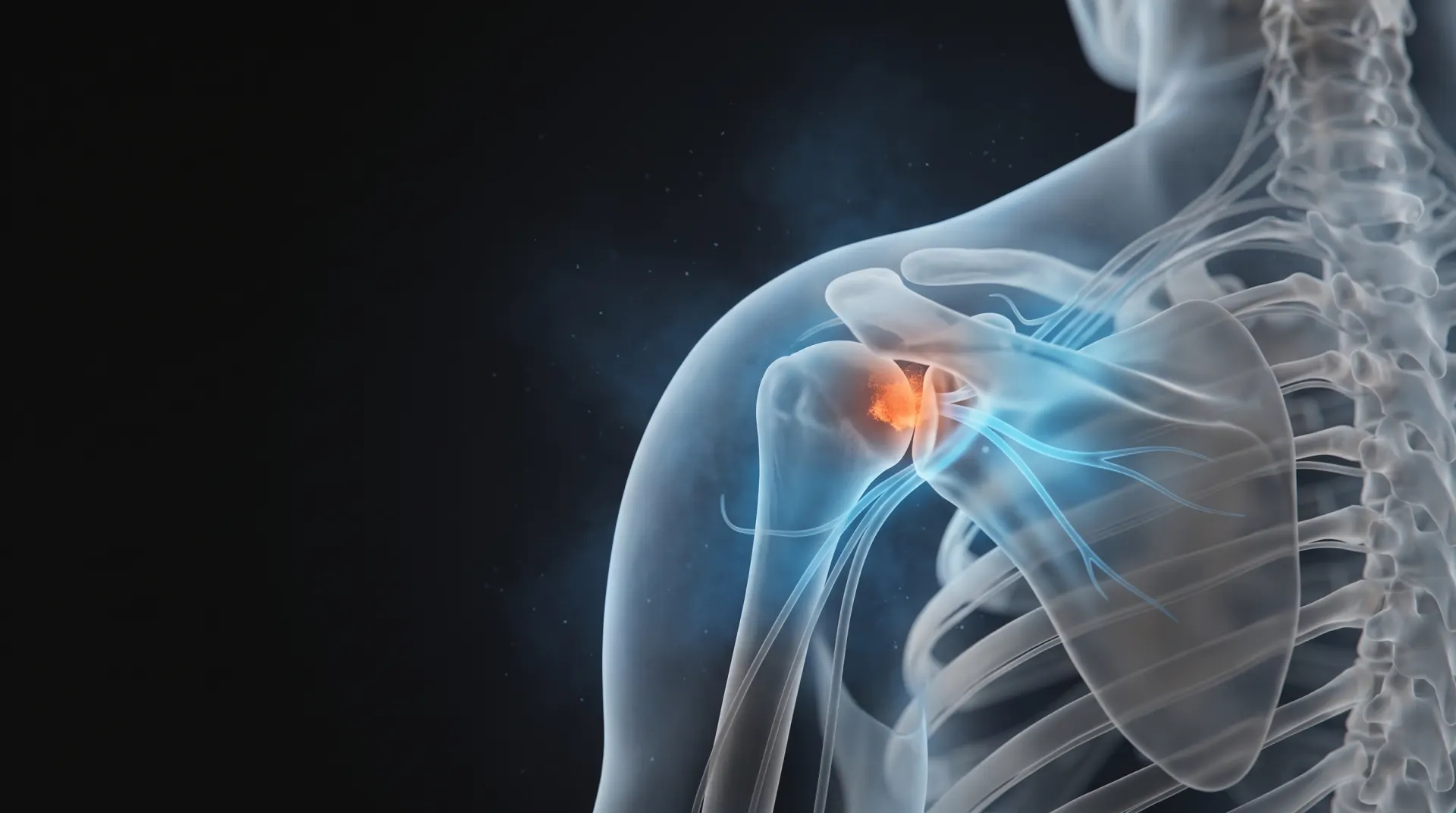
Shoulder pain · Treatment
Rotator Cuff Injury Treatment to Relieve Pain and Restore Shoulder Strength
A non-surgical, structured approach to reduce rotator cuff pain, support tendon healing, and restore safe shoulder movement.
Treatment Options
Non-Surgical Rotator Cuff Treatment Options
Treatment selection depends on symptom severity, tear type, and functional limitation.
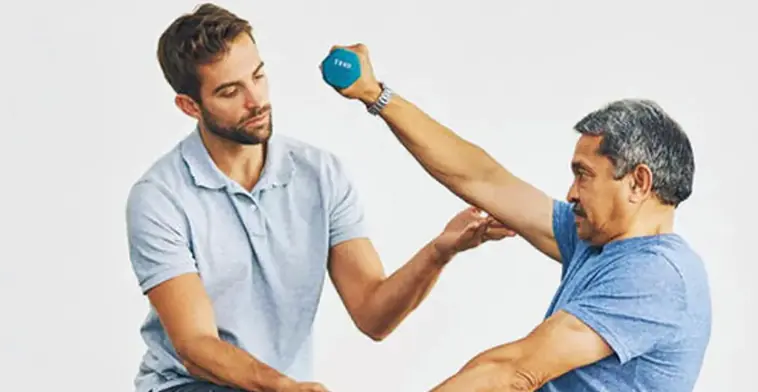
Rotator Cuff Physiotherapy
Physiotherapy focuses on restoring shoulder mechanics, improving muscle balance, and strengthening surrounding stabilizers to reduce tendon overload.
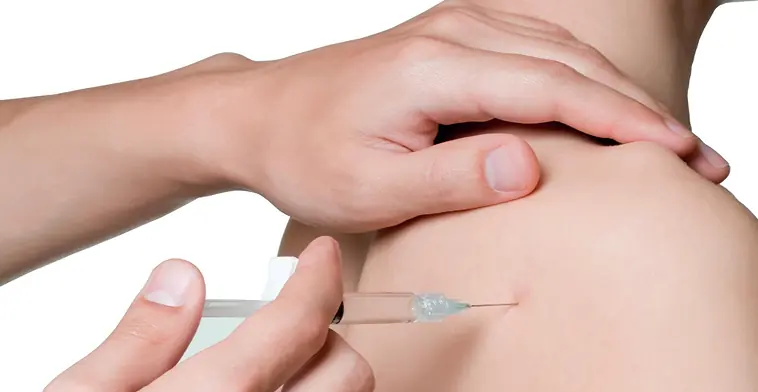
Steroid Injections
Targeted injections may be used to reduce inflammation and pain, particularly during flare-ups, allowing more effective participation in rehabilitation.
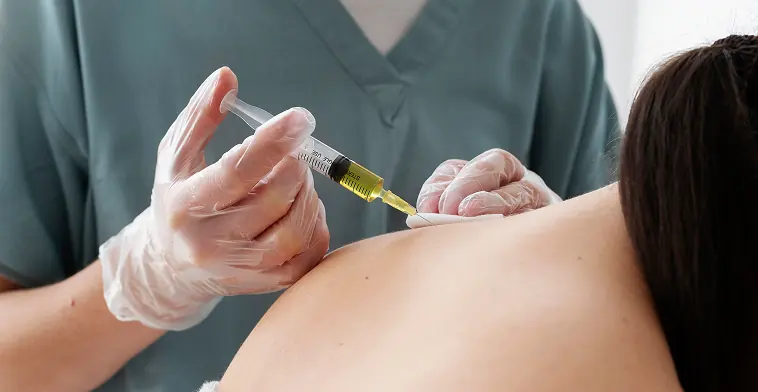
Regenerative Medicine (PRP)
PRP therapy supports tendon healing by delivering concentrated growth factors to the affected rotator cuff tendon, helping reduce inflammation and improve tissue quality.
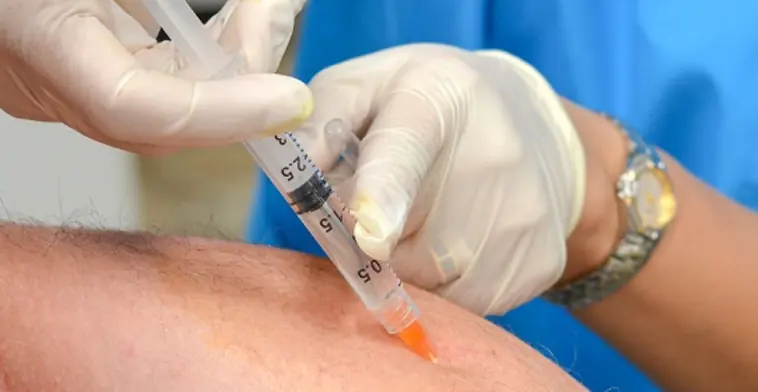
Nerve Blocks
In cases of significant pain, nerve blocks may be used temporarily to control discomfort and enable rehabilitation progression.
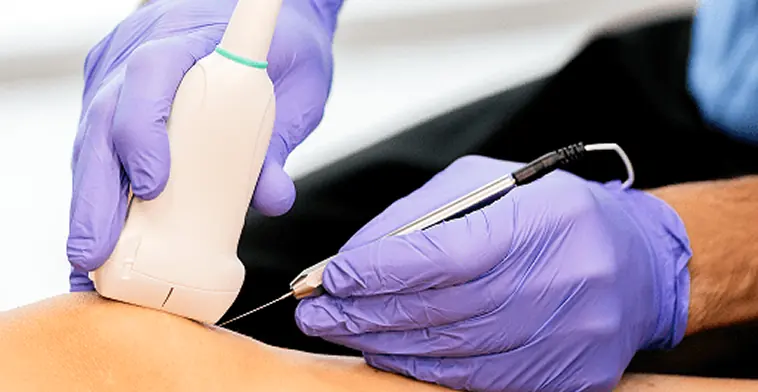
Radiofrequency Ablation
For chronic rotator cuff pain not responding to other treatments, radiofrequency ablation may be considered to interrupt persistent pain signals.
Not sure which treatment fits your pain? A pain specialist can tell you after one assessment.
Problem Awareness
Why Does Rotator Cuff Pain Affect Everyday Shoulder Use?
Rotator cuff injuries occur when the tendons responsible for stabilizing and moving the shoulder become irritated or damaged. This can result from overuse, repetitive overhead activity, injury, or age-related tendon changes.
Many people continue daily activities despite discomfort, assuming the pain will settle. Without targeted treatment, rotator cuff pain may persist, limit strength, and affect simple movements like lifting, reaching, or sleeping on the affected side.
At Nivaan, rotator cuff treatment focuses on identifying tendon involvement early and supporting healing before function deteriorates further.
Overview
What Is a Rotator Cuff Injury?
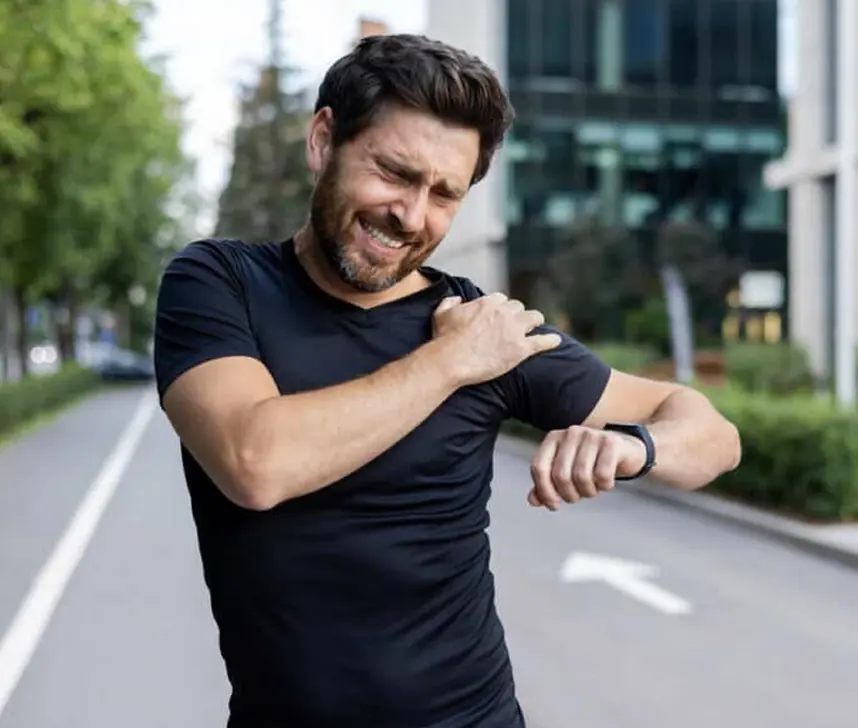
Damage or irritation of the shoulder’s stabilizing tendons
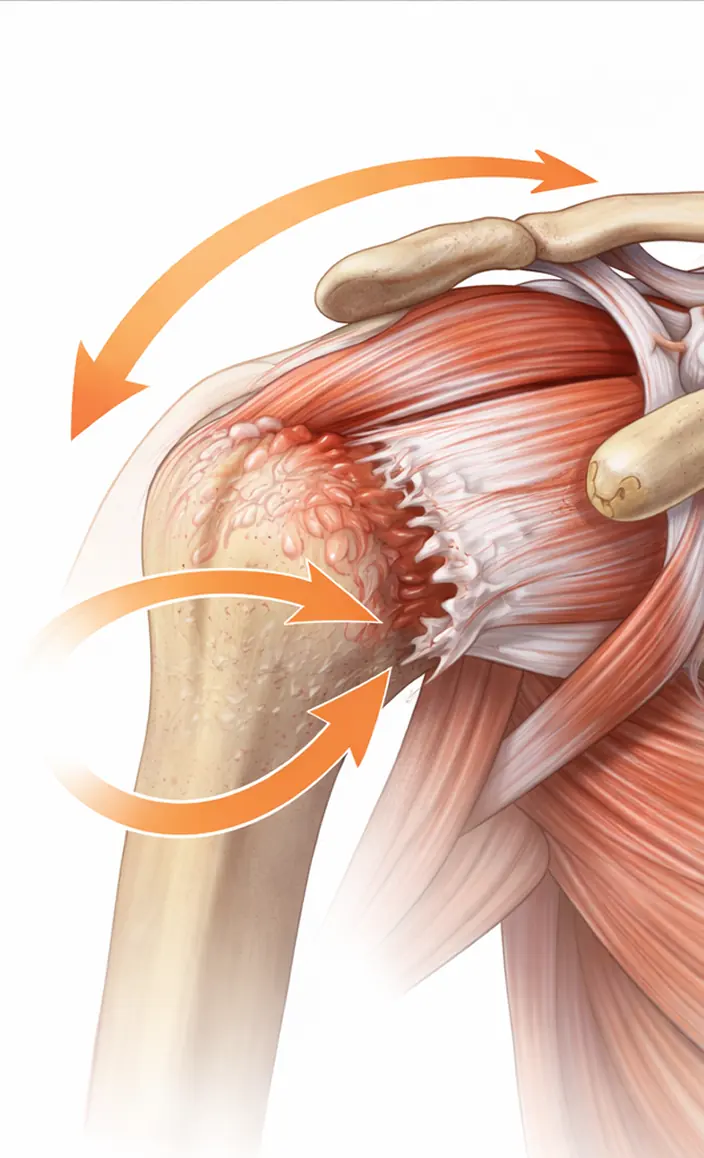
A rotator cuff injury involves inflammation, degeneration, or tearing of one or more shoulder tendons that help lift and rotate the arm. Injuries may range from mild irritation to partial or complete rotator cuff tears.
Rotator cuff injuries can cause pain, weakness, and restricted movement. Nonsurgical rotator cuff treatment focuses on lowering stress on the tendons, managing swelling, and improving how the shoulder works by using medical care and rehabilitation.
Target Audience
Who Needs Rotator Cuff Treatment?
For individuals with persistent shoulder pain or weakness
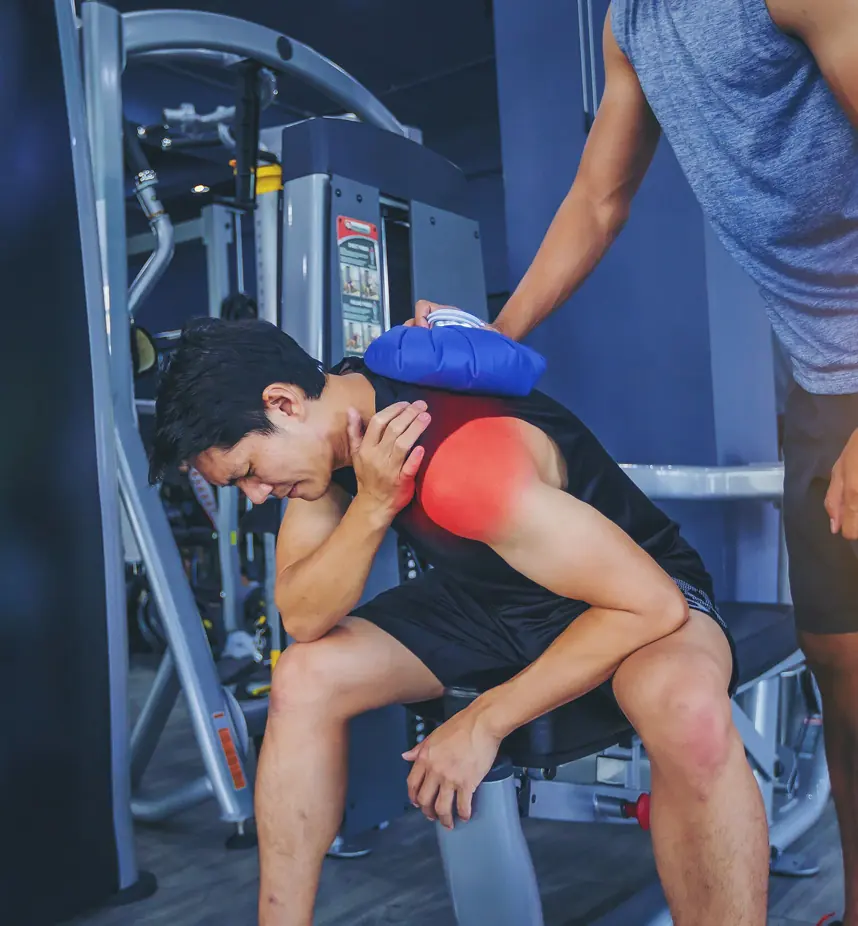
Rotator cuff treatment is recommended for people experiencing ongoing shoulder discomfort, reduced strength, or difficulty with overhead movements.
Not sure which treatment fits your pain? A pain specialist can tell you after one assessment.
How It Works
How Does Rotator Cuff Treatment Work?
A structured approach to tendon recovery
Rotator cuff injuries benefit from a step-by-step treatment plan
Not sure which treatment fits your pain? A pain specialist can tell you after one assessment.
Benefits
Key Benefits of Non-Surgical Rotator Cuff Treatment
Improved strength and shoulder function without surgery
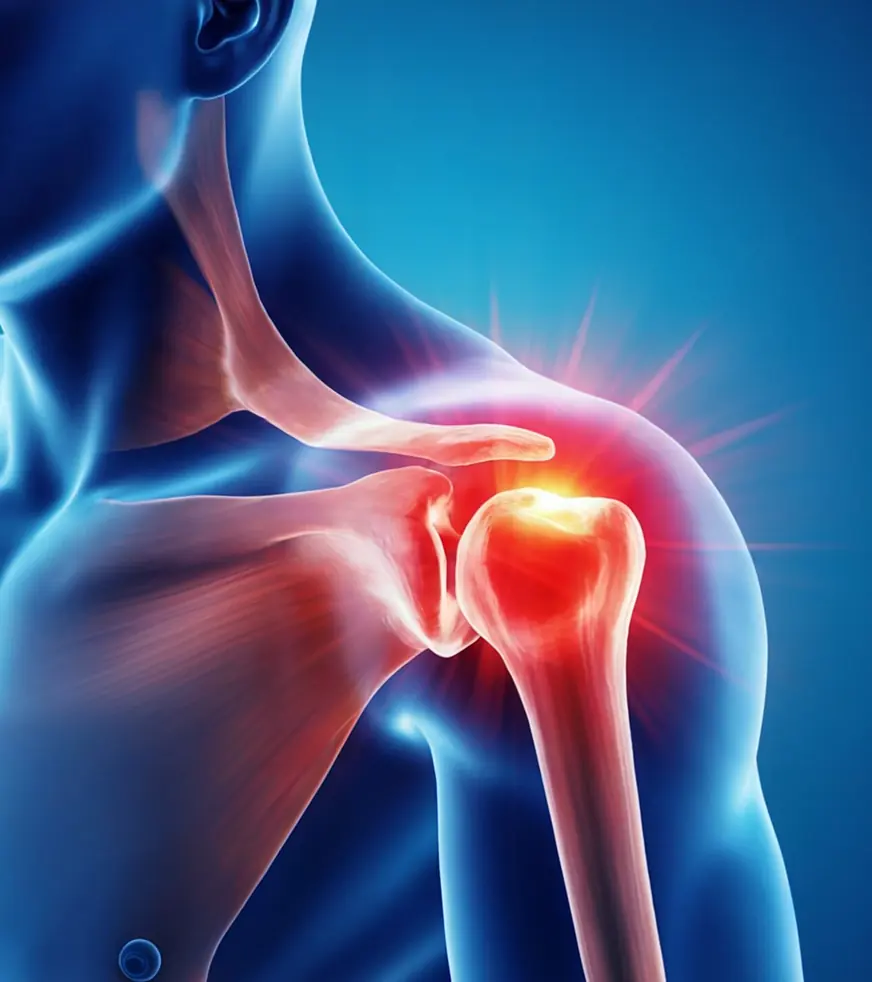
When managed early, rotator cuff injuries often respond well to non-surgical care.
Patients commonly experience better shoulder control, reduced pain, and improved confidence in daily activities.
Why Nivaan
Why Choose Nivaan for Rotator Cuff Treatment?
Integrated care focused on tendon recovery
Rotator cuff injuries require coordination between pain management and rehabilitation.

Multidisciplinary Expertise
Interventional pain specialists and physiotherapists collaborate closely to guide recovery.

Image-Guided Precision
Procedures such as injections and PRP are performed with imaging guidance for accuracy.

Rehabilitation-Driven Care
Treatment plans evolve as tendon strength and movement improve.
Recovery
Recovery and Aftercare for Rotator Cuff Injuries
Understanding the phases of recovery
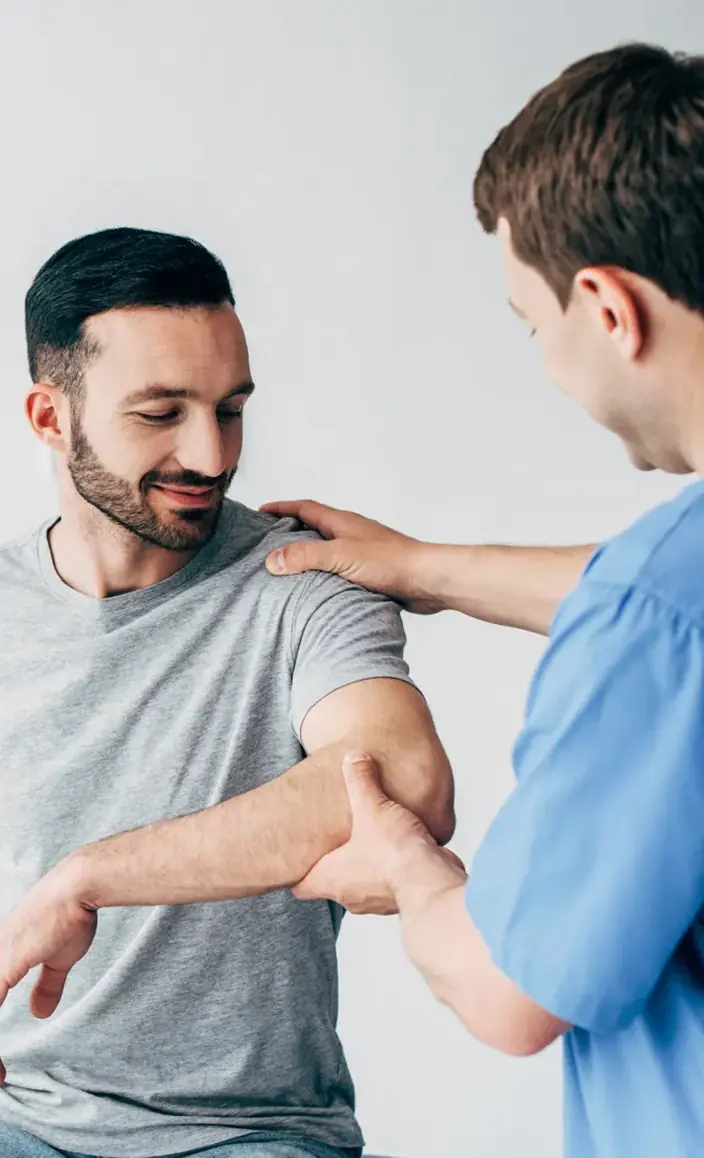
Recovery after a rotator cuff injury depends on the extent of tendon involvement, the treatment approach, and how consistently rehabilitation is followed. Nonsurgical rotator cuff treatment emphasizes steady, progressive recovery, allowing tendons and supporting muscles to adapt safely over time.

Early Phase
The initial focus is on reducing pain and inflammation. As symptoms settle, gentle shoulder movement is introduced to prevent stiffness and support circulation without stressing the tendon.

Strengthening Phase
As pain improves, physiotherapy progresses toward rebuilding the rotator cuff and shoulder muscle strength. Exercises are advanced gradually to improve stability and reduce the risk of reinjury.
Functional Phase
With better strength and control, rehabilitation shifts toward restoring normal shoulder use. Patients gradually regain confidence with daily activities, lifting, and overhead movement.
Typical Recovery Timeline
Recovery speed varies between individuals. The focus remains on long-term shoulder function and stability rather than short-term relief.
Safety and Risks
Safety Profile of Rotator Cuff Treatment
The Nivaan Way:
At Nivaan Pain Clinic, all advanced non-surgical interventions are performed with precision under real-time imaging guidance, such as C-arm fluoroscopy or ultrasound, to ensure accurate targeting, improved safety, and superior outcomes.
Conservative and low-risk when guided properly
Nonsurgical rotator cuff treatment is considered safe with appropriate evaluation.
Why treatment is considered safe:
- Noninvasive or minimally invasive options
- Image-guided procedures, when required.
- Gradual rehabilitation progression
- Continuous clinical monitoring
Possible temporary effects include:
- Mild soreness after procedures
- Short-term discomfort during exercises
FAQs
Frequently asked questions
What is a rotator cuff tear?
A rotator cuff tear occurs when one or more shoulder tendons are partially or fully damaged.
Can rotator cuff injuries heal without surgery?
Many partial tears and tendon injuries improve with non-surgical treatment and rehabilitation.
Does physiotherapy help rotator cuff injuries?
Yes. Rotator cuff physiotherapy is a core part of recovery and helps restore strength and movement.
Is PRP useful for rotator cuff injuries?
PRP may support tendon healing in selected cases after evaluation.
How long does rotator cuff recovery take?
Recovery depends on tear severity and treatment response and may take several months.
Ready to Restore Shoulder Strength?
Take the next step toward confident shoulder movement. Rotator cuff injuries do not always require surgery. With structured, non-surgical treatment, many patients regain strength and function safely.
Specialists