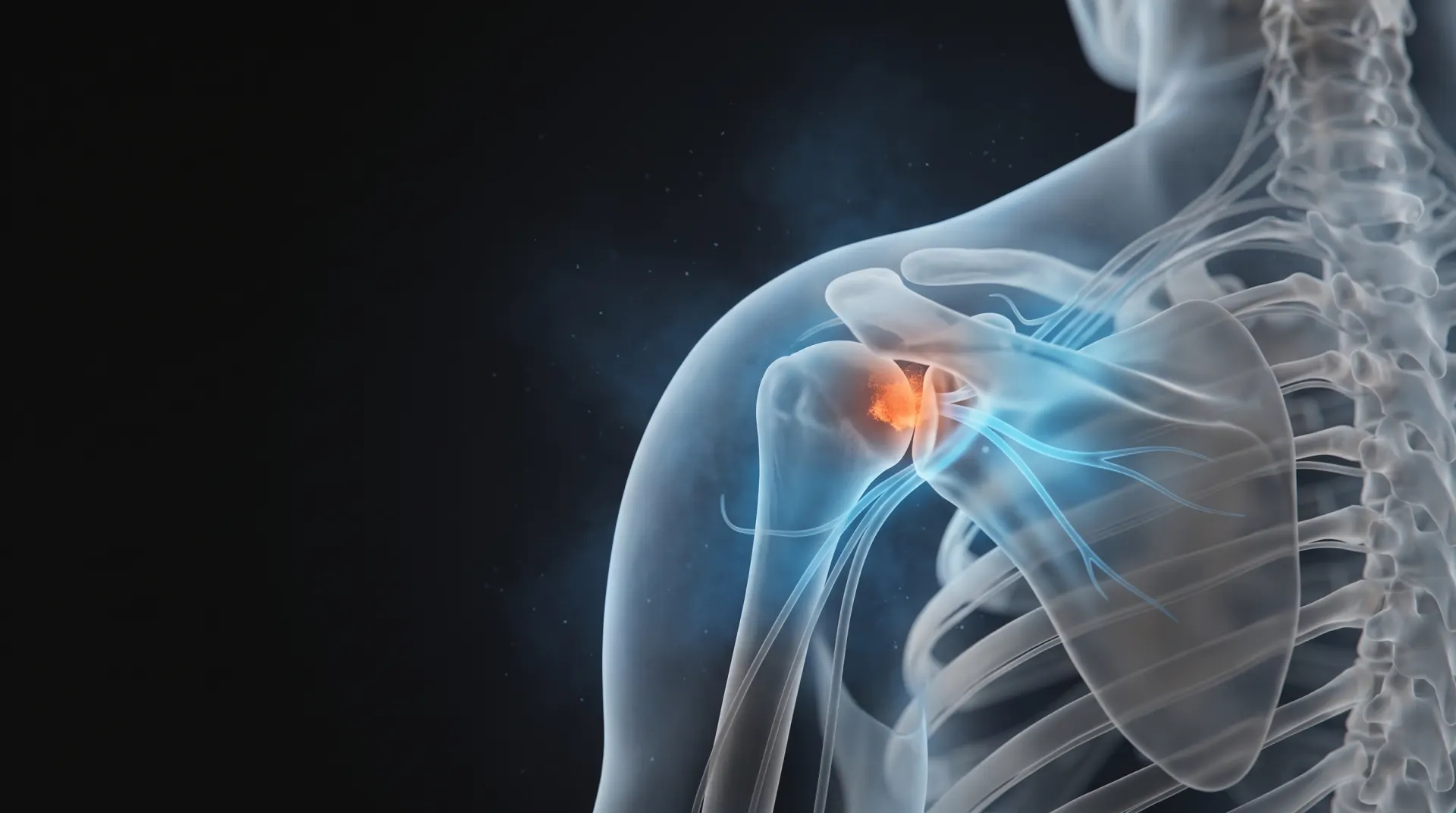
Shoulder pain · Treatment
PRP Therapy for Shoulder Pain: Procedure, Benefits & Recovery
Advanced regenerative treatment that uses your body’s healing potential to repair shoulder tissues, reduce pain, and restore movement without surgery.
Treatment Options
PRP Injection Shoulder Treatment at Nivaan
PRP therapy is customized based on diagnosis, tissue involvement, and activity demands.
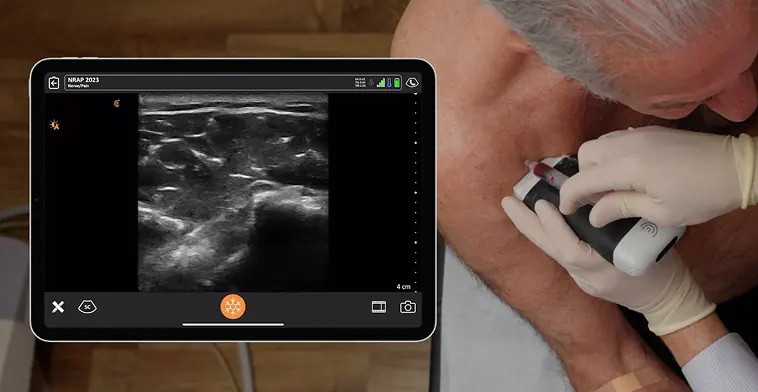
Image-Guided PRP Injection Shoulder
Using imaging guidance, PRP is delivered precisely into the affected shoulder tendon, joint, or surrounding tissue to ensure accurate placement.
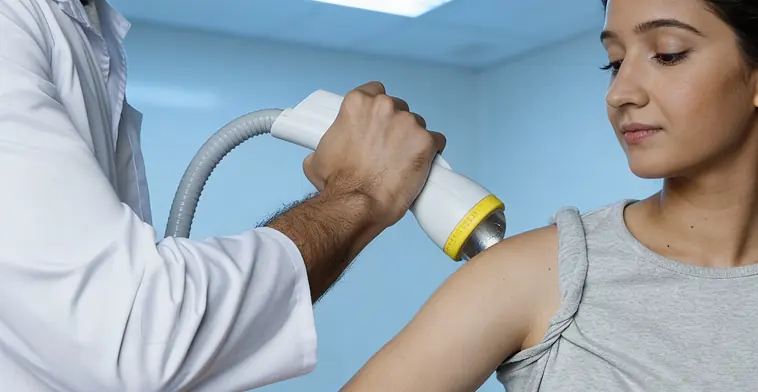
Regenerative Therapy Shoulder Protocols
Platelet concentration is prepared according to evidence-based protocols to support optimal healing response and tissue regeneration.
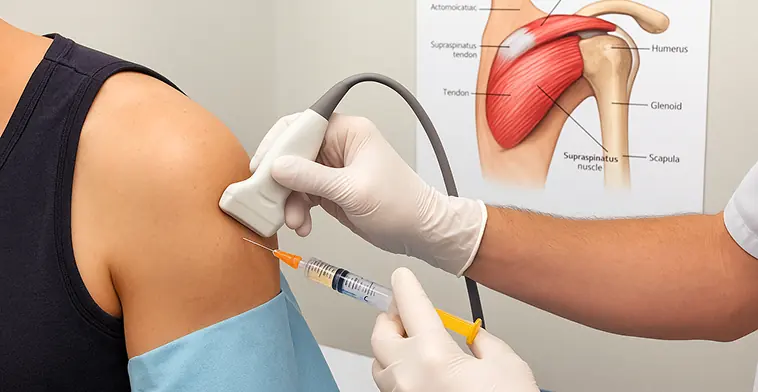
PRP Combined with Rehabilitation
PRP therapy is integrated with physiotherapy to support safe loading, mobility restoration, and gradual strengthening during recovery.
Not sure which treatment fits your pain? A pain specialist can tell you after one assessment.
Problem Awareness
Why Does Shoulder Pain Persist Despite Rest or Physiotherapy?
Ongoing shoulder pain often means damaged tendons, ligaments, or joint surfaces have not healed completely. While rest, exercises, or medications may reduce discomfort temporarily, they do not always stimulate true tissue repair.
At Nivaan, PRP therapy for shoulder pain is used when recovery has plateaued. By addressing the biological healing process itself, PRP helps restart repair where natural healing has slowed or stalled.

Overview
What Is PRP Therapy for Shoulder Pain?
Regenerative treatment using your body’s own healing cells
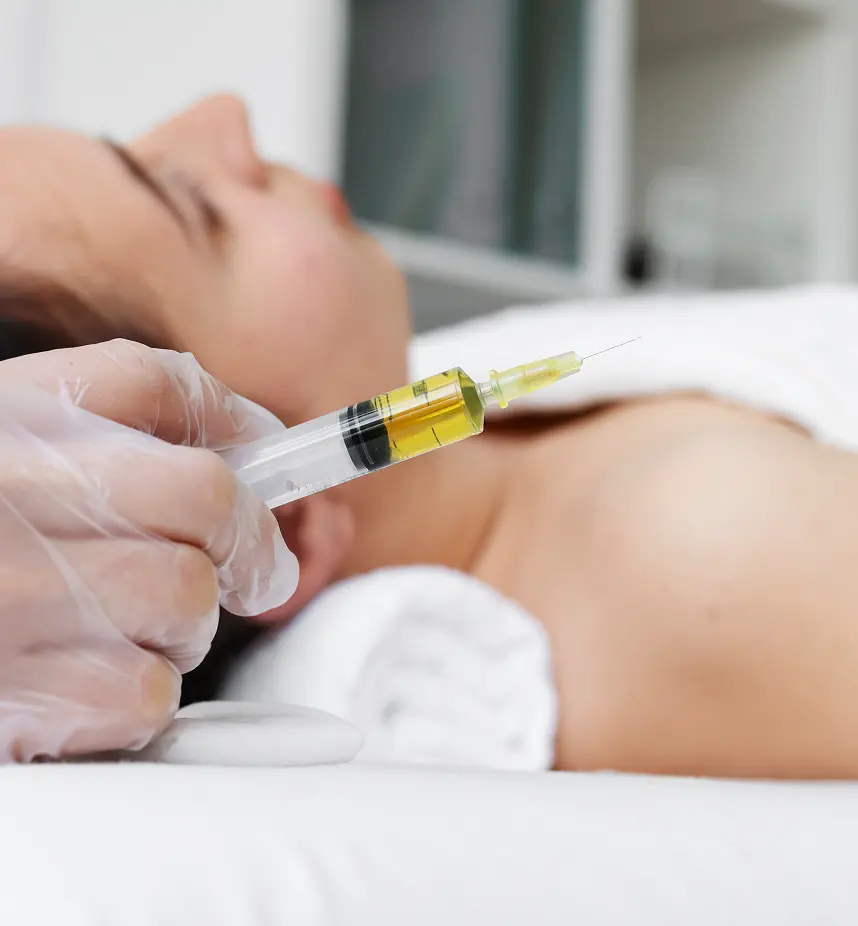
PRP therapy for shoulder pain involves injecting a concentrated form of platelets derived from your blood into the affected shoulder area. Platelets contain growth factors that support tissue repair, reduce inflammation, and promote healing.
Rather than masking pain, platelet-rich plasma shoulder treatment focuses on improving tissue quality and joint function. PRP is commonly used as a non-surgical option for patients seeking long-term improvement without invasive procedures.
Target Audience
Who Is PRP Therapy for Shoulder Pain Suitable For?
Nonsurgical regenerative care for persistent shoulder issues
PRP therapy is recommended for patients with shoulder pain linked to tissue damage rather than mechanical instability alone. It is especially useful when conservative care has provided limited improvement.
Not sure which treatment fits your pain? A pain specialist can tell you after one assessment.
How It Works
How Does PRP Therapy for Shoulder Pain Work?
A biologically driven healing process
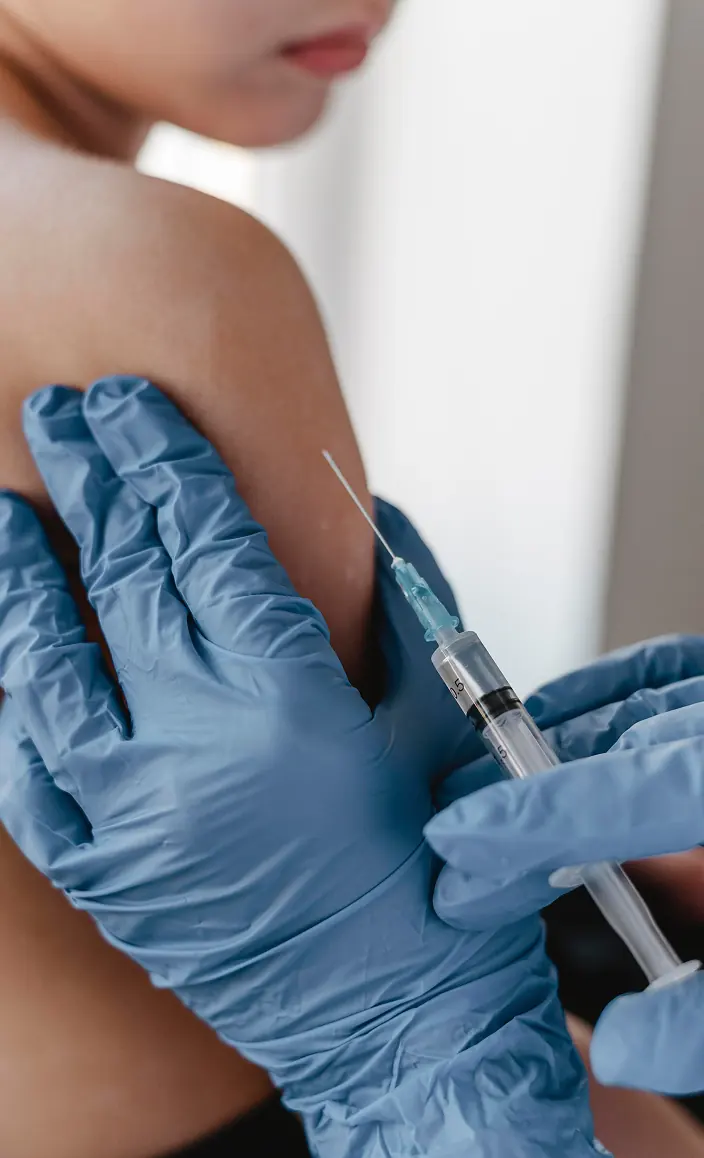
PRP therapy follows a structured, stepwise approach.
Not sure which treatment fits your pain? A pain specialist can tell you after one assessment.
Benefits
Key Benefits of PRP Therapy for Shoulder Pain
Healing support beyond symptom relief
PRP therapy focuses on improving tissue health rather than only reducing pain signals. As tissues heal, movement often becomes more comfortable and reliable.
Patients commonly experience progressive improvements rather than immediate but short-lived relief.
Why Nivaan
Why Choose Nivaan for PRP Therapy for Shoulder Pain?

Multidisciplinary Oversight
PRP therapy is guided by interventional pain specialists and coordinated with physiotherapy and care managers.

Image-Guided Accuracy
Precise placement ensures PRP reaches the intended tissue for optimal healing response.

Rehabilitation Integration
Post-PRP rehab is structured to support tissue adaptation and prevent reinjury.
Recovery
Recovery and Aftercare After PRP Therapy for Shoulder Pain

Healing that progresses over time
PRP recovery focuses on gradual improvement rather than immediate relief.
Early Phase
Mild soreness may occur as the healing response begins.
Progressive Rehabilitation
Physiotherapy supports controlled movement and strengthening as tissues adapt.
Long-Term Improvement
Healing continues over weeks as tissue quality improves.
Typical Recovery Timeline
Recovery varies depending on tissue condition and activity demands.
Safety & Risk
Safety Profile of PRP Therapy for Shoulder Pain
Low risk and biologically safe
Because PRP uses your blood, the risk of allergic reaction is minimal.
Why PRP therapy is considered safe:
- Autologous treatment using your own platelets
- Image-guided precision
- No implants or synthetic materials
- Outpatient, minimally invasive procedure
Possible temporary effects include:
- Mild swelling or soreness
- Temporary stiffness
Appropriate screening and technique help maintain safety.
FAQs
Frequently asked questions
What is PRP therapy for shoulder pain?
It is a regenerative treatment that uses concentrated platelets from your blood to support tissue repair in the shoulder.
How many PRP injections are needed?
This depends on the condition and response. Some patients improve after one injection, while others may need a series.
Is PRP injection shoulder treatment painful?
Discomfort is usually mild and temporary, with local anesthesia used for comfort.
How soon will I see results?
PRP works gradually. Improvements typically appear over weeks as healing progresses.
Can PRP help avoid shoulder surgery?
Often, PRP can reduce symptoms and improve function enough to delay or avoid surgery.
Ready to Support Shoulder Healing Naturally?
Take the next step toward long-term shoulder recovery. If shoulder pain is limiting movement despite conservative care, PRP therapy may offer a regenerative path forward without surgery.
Specialists