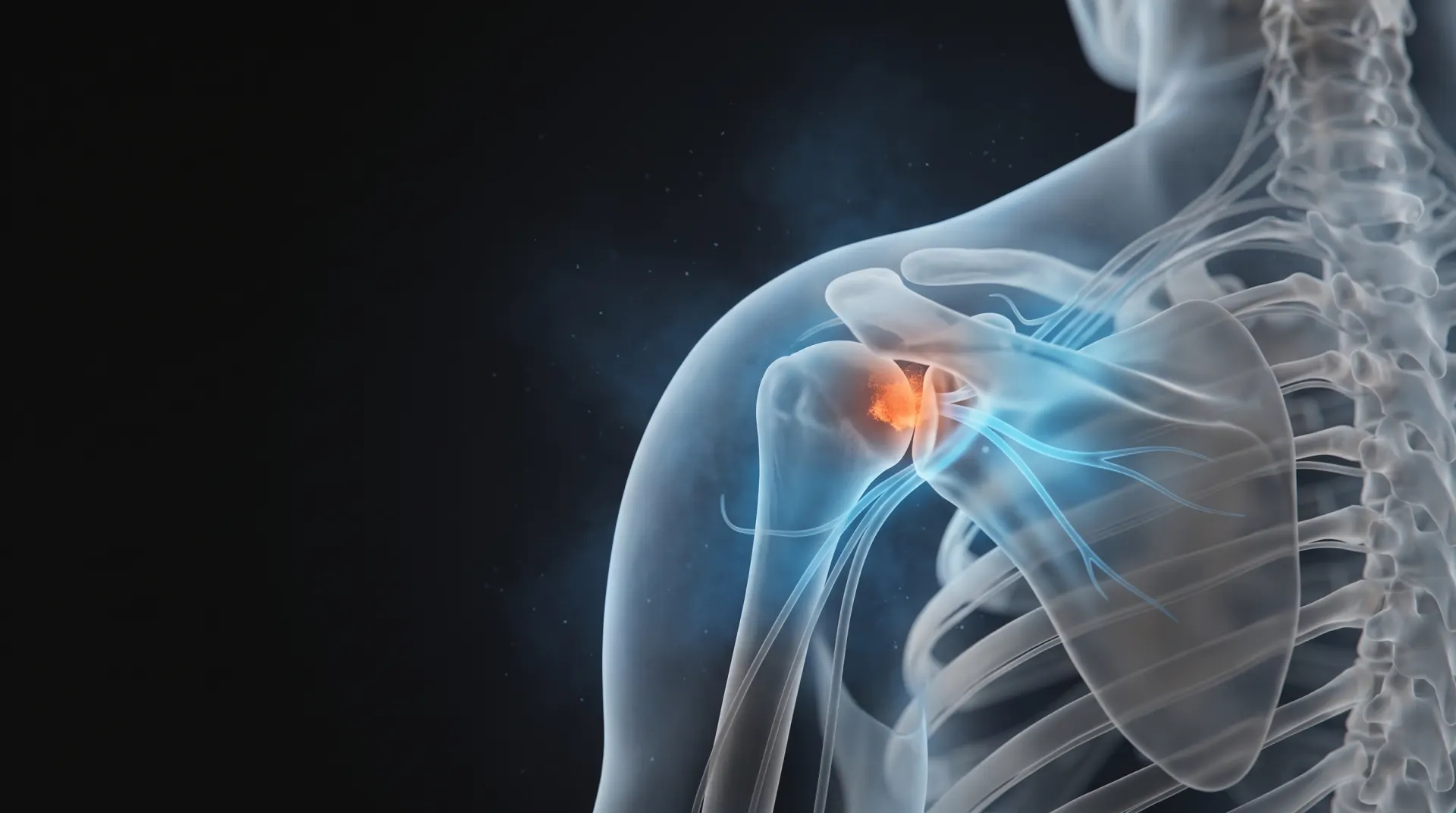
Shoulder pain · Treatment
Frozen Shoulder Treatment
A structured, non-surgical approach to reduce stiffness, restore shoulder movement, and help you regain daily function safely and gradually.
Treatment Options
Non-Surgical Frozen Shoulder Treatment Options
Treatment is selected based on the stage of frozen shoulder, pain levels, and movement restriction.

Shoulder Physiotherapy and Frozen Shoulder Exercises
Guided physiotherapy focuses on gentle stretching and mobility exercises to gradually restore movement without aggravating stiffness.

Steroid Injections
Targeted injections help reduce inflammation and pain, particularly during the painful or “freezing” stage, allowing better participation in rehabilitation.
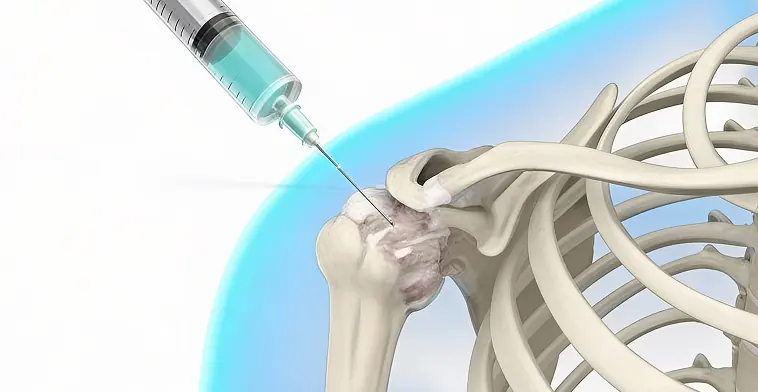
Hydrodilatation
This image-guided procedure gently stretches the shoulder capsule by injecting fluid, helping improve mobility in cases with significant stiffness.
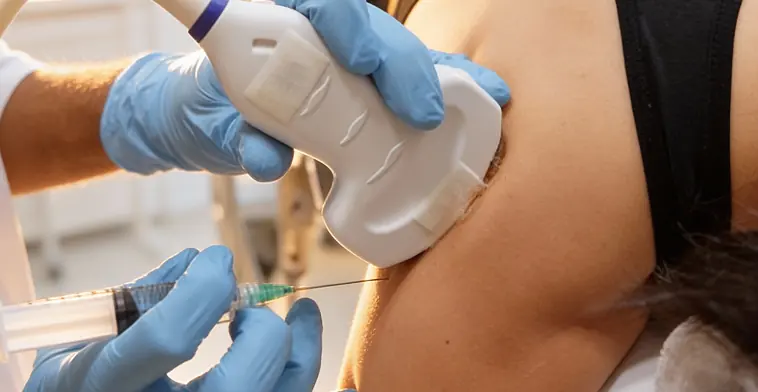
Shoulder Nerve Block Treatment
Nerve blocks may be used to control pain temporarily, allowing patients to engage more effectively in physiotherapy during early stages.
Not sure which treatment fits your pain? A pain specialist can tell you after one assessment.
Problem Awareness
Why Does a Frozen Shoulder Feel So Restrictive?
Frozen shoulder, also known as adhesive capsulitis, develops when the shoulder capsule becomes tight and inflamed. As stiffness increases, even simple movements like lifting the arm, reaching behind the back, or dressing become difficult.
Many people delay treatment, assuming stiffness will resolve on its own. Without proper intervention, frozen shoulders can progress through prolonged phases of pain and restricted movement, significantly affecting daily life.
At Nivaan, early identification and structured frozen shoulder treatment help limit progression and support smoother recovery.
Overview
What Is Frozen Shoulder (Adhesive Capsulitis)?
A condition marked by stiffness, pain, and limited motion
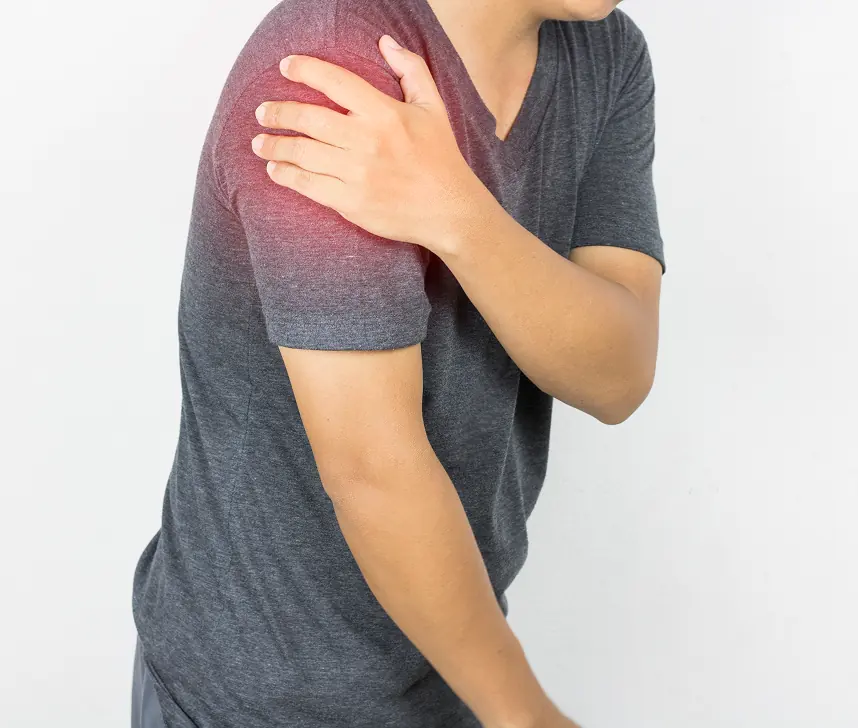
Frozen shoulder is a condition where the shoulder joint capsule thickens and tightens, restricting movement. This leads to progressive stiffness, pain, and reduced functional use of the shoulder.
Frozen shoulder typically develops gradually and may take months to improve without intervention. Non-surgical frozen shoulder treatment focuses on reducing inflammation, improving capsule flexibility, and restoring movement through guided care.
Target Audience
Who Needs Frozen Shoulder Treatment?
For individuals experiencing stiffness and limited shoulder motion
Frozen shoulder treatment is recommended for people experiencing progressive stiffness, pain, and difficulty with everyday shoulder movements.

Not sure which treatment fits your pain? A pain specialist can tell you after one assessment.
How It Works
How Does Frozen Shoulder Treatment Work?
A phased, step-by-step recovery approach
Frozen shoulder improves best with a structured plan rather than aggressive or rushed treatment.

Not sure which treatment fits your pain? A pain specialist can tell you after one assessment.
Benefits
Key Benefits of Non-Surgical Frozen Shoulder Treatment
Steady improvement without surgical intervention
Frozen shoulder treatment focuses on restoring movement over time rather than forcing rapid change.
Patients often experience gradual improvements in comfort, sleep, and daily function.

Why Nivaan
Why Choose Nivaan for Frozen Shoulder Treatment?
Coordinated care tailored to stiffness-related conditions
Frozen shoulder requires careful progression and coordination between pain control and rehabilitation.

Multidisciplinary Expertise
Interventional pain specialists and physiotherapists work together to align treatment timing and intensity.

Image-Guided Precision
Procedures such as injections and hydrodilatation are performed with imaging guidance for accuracy and safety.

Rehabilitation-Focused Care
Treatment plans are adapted as movement improves, reducing the risk of setbacks.
Recovery
Recovery and Aftercare for Frozen Shoulder


Gradual progress with consistent guidance
Frozen shoulder recovery takes time and varies between individuals.

Early Phase
Pain reduction allows gentle movement to begin.

Rehabilitation Phase
Physiotherapy focuses on restoring flexibility and shoulder control.

Functional Phase
Movement becomes smoother and daily activities easier.
Typical Recovery Timeline
Recovery depends on stage, consistency, and response to treatment.
Safety and Risks
Safety Profile of Frozen Shoulder Treatment
Conservative and low-risk when guided professionally
Non-surgical frozen shoulder treatment is considered safe when properly assessed.
Why treatment is considered safe:
- Non-invasive or minimally invasive options
- Image-guided procedures, when required.
- Gradual rehabilitation progression
- Continuous monitoring and adjustment
Possible temporary effects include:
- Short-term soreness after procedures
- Mild discomfort during stretching exercises
Clinical supervision helps ensure safe recovery.
FAQs
Frequently asked questions
What are the common frozen shoulder symptoms?
Symptoms include stiffness, pain, reduced range of motion, and difficulty with daily shoulder movements.
Is adhesive capsulitis the same as frozen shoulder?
Is adhesive capsulitis the same as frozen shoulder?
Can frozen shoulders improve without surgery?
Often, non-surgical frozen shoulder treatment leads to gradual and sustained improvement.
Do frozen shoulder exercises help?
Yes. Guided exercises are essential for restoring movement safely over time.
How long does frozen shoulder recovery take?
Recovery timelines vary and may take several months, depending on severity and treatment response.
Ready to Improve Shoulder Movement?
Take the next step toward easier, more comfortable motion. Frozen shoulders can significantly limit daily life, but structured, non-surgical treatment can help restore movement and independence over time.
Specialists