
Shoulder pain · Treatment
Shoulder Physiotherapy Treatment for Long-term Shoulder Health
Targeted rehabilitation programs designed to restore shoulder movement, rebuild strength, and help you return to daily activity without surgery.
Treatment Approach
Our Shoulder Physiotherapy Treatment Approach
Shoulder physiotherapy programs at Nivaan are personalized. Exercises and techniques are selected based on diagnosis, movement limitations, and functional goals.

Shoulder Mobility Exercises
Gentle, guided movements are used to restore joint range and reduce stiffness. These exercises help improve flexibility and prepare the shoulder for strengthening.

Shoulder Strengthening Exercises
Targeted strengthening focuses on rotator cuff muscles, shoulder stabilizers, and surrounding muscle groups. This helps the joint tolerate daily loads without irritation.
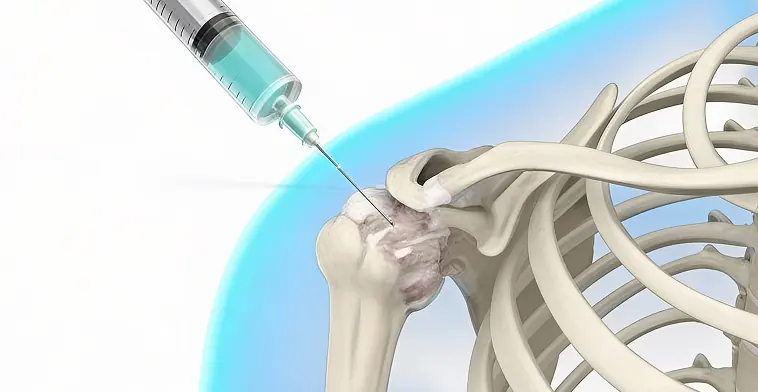
Manual Therapy for Shoulder
Hands-on techniques are used to improve joint motion, reduce soft tissue restriction, and support smoother movement patterns during rehabilitation.
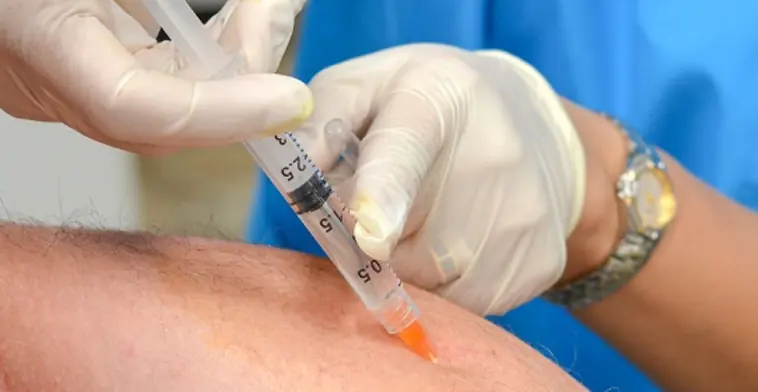
Movement Retraining and Control
Physiotherapy includes retraining posture, lifting mechanics, and overhead movement to prevent recurring strain.
Not sure which treatment fits your pain? A pain specialist can tell you after one assessment.
Problem Awareness
Why Does Shoulder Pain Keep Limiting Your Movement?
Shoulder pain often persists not because healing is impossible, but because the shoulder never regains proper mobility, strength, or coordination. Rest, pain relief, or unsupervised exercises may ease discomfort temporarily, but they rarely restore full shoulder function.
At Nivaan, shoulder physiotherapy focuses on why movement feels restricted or unstable. Identifying movement deficits, muscle imbalance, and loading issues allows rehabilitation to be structured so the shoulder recovers safely and progressively.

Overview
What Is Shoulder Physiotherapy?
Structured rehabilitation for pain-free shoulder movement
Shoulder physiotherapy is a specialized rehabilitation approach aimed at restoring movement, strength, and control of the shoulder joint. Instead of focusing only on pain relief, it addresses joint mechanics, muscle coordination, and movement patterns.
This approach supports healing by retraining how the shoulder moves and loads during daily activities. Shoulder physiotherapy is often recommended for patients recovering from injury, inflammation, or long-standing stiffness who want to avoid surgery and regain confident movement.
Target Audience
Who Benefits from Shoulder Physiotherapy?
Rehabilitation for shoulder pain and movement limitation
Shoulder physiotherapy is recommended for individuals experiencing restricted movement, weakness, or recurring discomfort. It is especially useful for those recovering from injury or managing long-term shoulder conditions without surgery.

Not sure which treatment fits your pain? A pain specialist can tell you after one assessment.
How It Works
How Does Shoulder Physiotherapy Work?
A progressive rehabilitation pathway
Shoulder physiotherapy follows a structured progression rather than random exercise selection.

Not sure which treatment fits your pain? A pain specialist can tell you after one assessment.
Benefits
Key Benefits of Shoulder Physiotherapy
Rebuilding strength, movement, and confidence
Shoulder physiotherapy focuses on restoring how the shoulder works, not just how it feels. When movement improves, pain often reduces naturally.
Patients frequently notice better control, smoother motion, and greater confidence in daily tasks.

Why Nivaan
Why Choose Nivaan for Shoulder Physiotherapy?
Integrated rehabilitation with clinical oversight
Fragmented rehabilitation often leads to slow or incomplete recovery.

Multidisciplinary Collaboration
Physiotherapists work closely with pain specialists, nutritionists, and care managers to align rehabilitation with medical care.

Precision and Progression
Exercises and manual therapy are adjusted based on response, ensuring steady progress without overloading the shoulder.

Whole-Person Recovery
Lifestyle, posture, and activity habits are addressed to support sustainable results.
Recovery
Recovery and Progress with Shoulder Physiotherapy


Rehabilitation that fits into real life
Shoulder physiotherapy is designed to support recovery without disrupting daily routines

Gradual Progression
Exercises advance as mobility and strength improve.

Return to Activity
Most patients resume daily tasks early while continuing structured rehabilitation.

Ongoing Guidance
Progress is monitored to ensure exercises remain appropriate and effective.
Typical Rehabilitation Timeline
Recovery timelines vary depending on condition and consistency.
Safety and Considerations
Safety Profile of Shoulder Physiotherapy
Low risk when guided professionally
Shoulder physiotherapy is a safe, conservative treatment when delivered by trained professionals.
Why is it considered safe:
- Non-invasive and exercise-based
- Progression based on individual tolerance
- Continuous monitoring and adjustment
Temporary effects may include:
- Mild muscle soreness
- Short-term stiffness during adaptation
Proper assessment ensures exercises remain safe and effective.
FAQs
Frequently asked questions
What is shoulder physiotherapy?
It is a rehabilitation approach focused on restoring shoulder mobility, strength, and control through guided exercises and manual therapy.
How long does shoulder physiotherapy take?
Improvement often begins within weeks, with continued gains over several months depending on the condition.
Are shoulder physiotherapy exercises painful?
Exercises are designed to stay within safe limits. Mild discomfort may occur initially but should improve with progression.
Can physiotherapy help avoid surgery?
Often, restoring strength and movement can reduce symptoms and delay or prevent surgical intervention.
Is physiotherapy suitable for long-term shoulder conditions?
Yes. It is commonly used for chronic shoulder stiffness, tendinopathy, and degenerative conditions.
Ready to Restore Shoulder Movement?
Take the next step toward confident, pain-free motion If shoulder movement feels limited or unstable, structured physiotherapy can help restore function and confidence over time.
Specialists