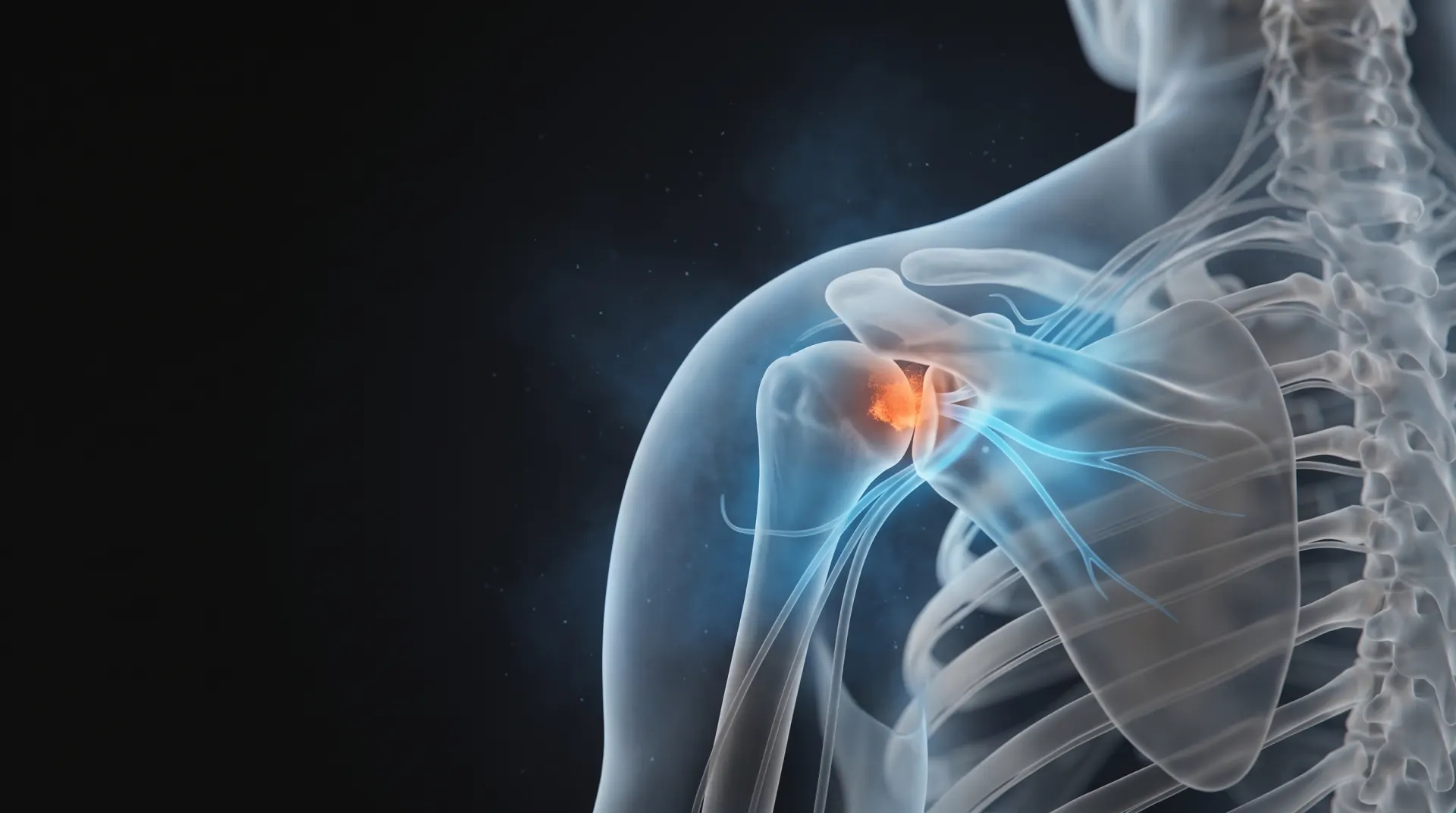
Shoulder pain · Condition
Supraspinatus Tendinopathy Treatment: Shoulder Tendon Pain Relief Without Surgery
Supraspinatus tendinopathy is a common cause of shoulder pain resulting from inflammation or degeneration of the supraspinatus tendon, one of the key rotator cuff tendons. With timely diagnosis and a structured supraspinatus tendinopathy treatment plan, pain can be reduced and shoulder movement supported through appropriate non-surgical care.
Overview
What is supraspinatus tendinopathy?
Supraspinatus tendinopathy is a condition in which the supraspinatus tendon becomes inflamed, irritated, or weakened due to overuse, repetitive strain, or age-related changes.
Often associated with shoulder tendonitis or early supraspinatus tear, this condition develops when the tendon loses its normal strength and elasticity. As tendon inflammation progresses, lifting the arm or performing overhead movements becomes painful and restricted. Unlike sudden shoulder injuries, supraspinatus tendinopathy usually develops gradually and requires supervised care for recovery.
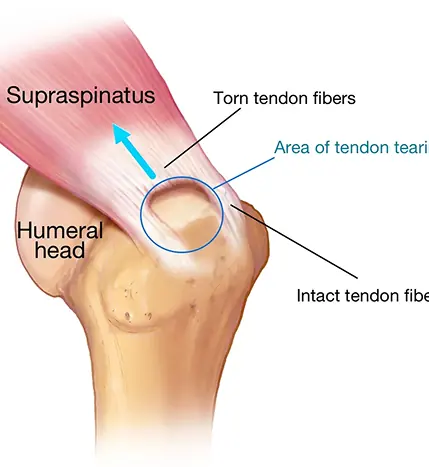
As pain and tendon irritation increase, supraspinatus tendinopathy can interfere with daily activities, including:
- Difficulty lifting the arm overhead or reaching outwards.
- Pain while performing repetitive shoulder movements or carrying weight.
- Sleep disturbance due to shoulder pain, especially when lying on the affected side.
- Reduced ability to perform work, household tasks, or physical activity.
Without appropriate non-surgical supraspinatus tendinopathy treatment, symptoms may persist and worsen over time.
Shoulder Joint
Understanding the Shoulder Joint
The shoulder is a highly mobile joint that relies on the coordinated function of muscles, tendons, and ligaments to allow smooth movement.
The supraspinatus tendon plays a crucial role in lifting the arm and stabilizing the shoulder. In supraspinatus tendinopathy, repetitive stress or reduced blood supply leads to tendon inflammation and micro-damage. This results in pain, weakness, and difficulty with normal shoulder movements, even during routine activities.
Stages
Stages of Supraspinatus Tendon Injury
Supraspinatus tendinopathy typically progresses through stages, each with different symptoms and care needs.
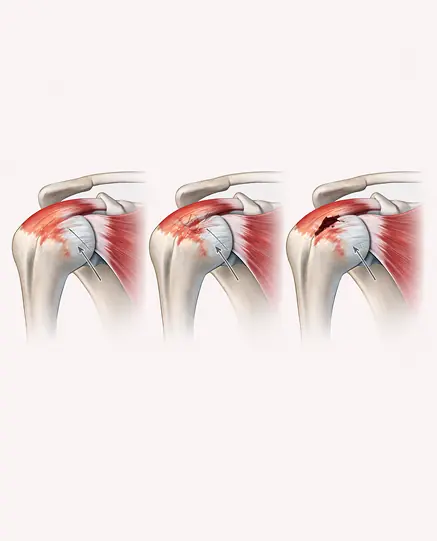
Reactive Tendinopathy
Early inflammation causes pain during activity and mild movement restriction, especially with overhead use.
Tendon Degeneration
Pain becomes more persistent, and tendon strength reduces. Shoulder movement may feel weak or painful during daily tasks.
Partial Tendon Tear
Continued strain may lead to a supraspinatus tear, with significant pain, weakness, and limited shoulder function.
Understanding tendon injury stages helps guide treatment planning and recovery expectations.
Symptoms
Symptoms of Supraspinatus Tendinopathy
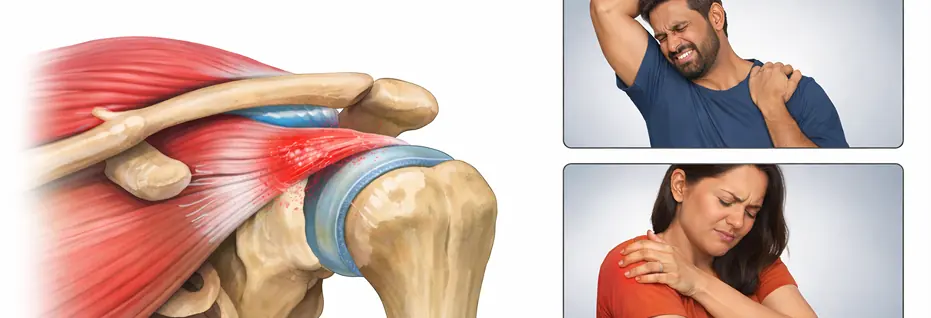
Common symptoms include:
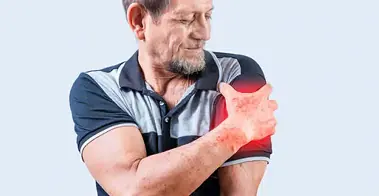
- Shoulder pain that worsens with arm lifting or overhead activity.
- Pain located at the top or outer side of the shoulder.
- Weakness during lifting or rotating the arm.
- Night pain that disrupts sleep.
- Discomfort during routine daily activities.
Symptoms That Need Medical Evaluation
- Shoulder pain lasting several weeks without improvement.
- Increasing weakness or loss of shoulder strength.
- Night pain affecting sleep regularly.
- Difficulty performing daily activities involving arm movement.
Causes and Risk Factors
Causes and Risk Factors
Supraspinatus tendinopathy is caused by repetitive stress and reduced tendon healing capacity. Factors that increase risk include:
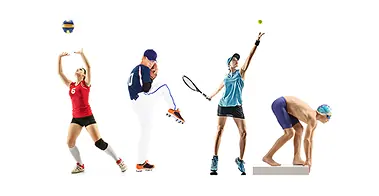
Repetitive overhead activities related to work or sports.
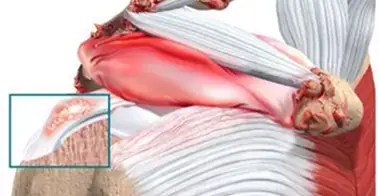
Age-related tendon degeneration and reduced blood supply.

Poor shoulder posture or muscle imbalance.
Previous shoulder injury or rotator cuff strain.

Sudden increase in physical activity without conditioning.
In some individuals, supraspinatus tendon inflammation develops gradually without a clear triggering event.
Diagnosis
Diagnosis and Assessment
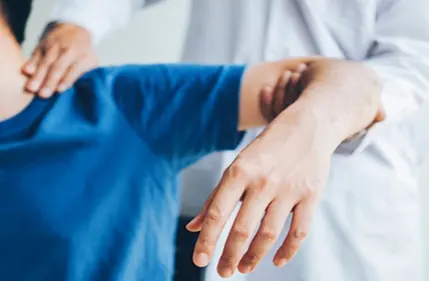
Supraspinatus tendinopathy is diagnosed through clinical examination and medical history review.
- Assessment of shoulder strength and range of motion.
- Evaluation of pain during specific shoulder movements.
- Review of activity patterns and prior shoulder injuries.
- Imaging tests such as ultrasound or MRI may be advised to assess tendon damage or rule out a supraspinatus tear.
Treatments
Advanced Non-Surgical Treatments for Supraspinatus Tendinopathy
Most cases can be managed without surgery. Nonsurgical supraspinatus tendinopathy treatment focuses on reducing inflammation, relieving pain, and supporting tendon healing.
For patients whose symptoms do not improve with rest and physiotherapy alone, advanced non-surgical treatments may be recommended based on pain severity and functional limitation.
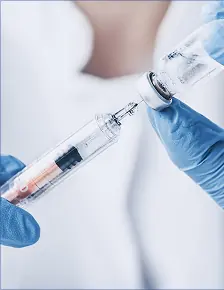
Image-Guided Steroid Injections
Targeted steroid injections help reduce tendon inflammation and surrounding tissue irritation. By calming the inflammatory process, these injections improve pain relief and allow better participation in rehabilitation exercises. Relief may last for several weeks to months when appropriately selected.

PRP and Regenerative Therapies
Platelet-rich plasma may be considered in selected cases to support tendon healing. These treatments are used cautiously and only when clinically appropriate as part of a personalized supraspinatus tendinopathy treatment plan.
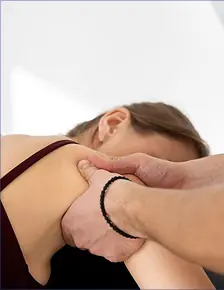
Trigger Point Injections
When surrounding muscle tightness contributes to pain and restricted movement, trigger point injections help relax overactive muscles and support smoother shoulder function during recovery.
The Nivaan Way
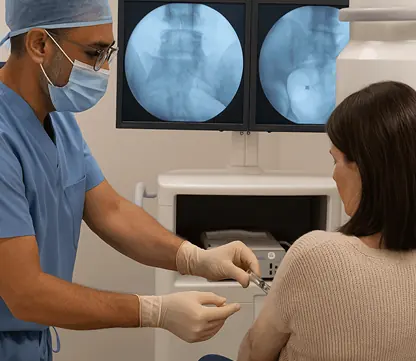
At Nivaan Pain Clinic, all advanced non-surgical interventions are performed with precision under real-time imaging guidance such as ultrasound or C-arm fluoroscopy, ensuring accurate targeting, improved safety, and better outcomes.
When basic care is not enough, advanced non-surgical treatments can help restore shoulder comfort with expert guidance.
Not sure which treatment fits your pain? A pain specialist can tell you after one assessment.
Recovery
Recovery Support: Physiotherapy, Nutrition, and Pain Counselling
Recovery from supraspinatus tendinopathy is more effective when medical treatment is supported by structured rehabilitation and daily care.

Physiotherapy and rehabilitation
Guided physiotherapy focuses on tendon loading, strengthening, and controlled movement exercises. Tendinopathy exercises are carefully progressed to improve strength without aggravating inflammation.

Nutrition support
Nutrition guidance supports tissue repair and recovery. This is especially important for patients with metabolic conditions that affect tendon healing.

Pain counselling and emotional support
Persistent shoulder pain can affect sleep and emotional well-being. Pain counseling helps patients manage discomfort, remain engaged in treatment, and maintain realistic recovery expectations.
Together, this integrated support helps patients return to daily activities with confidence.
When to Consult
When to See an Interventional Pain Specialist
You should consult a specialist if:
- Shoulder pain persists for several weeks.
- Pain or weakness continues to worsen.
- Shoulder movement becomes increasingly limited.
- Symptoms interfere with daily activities or sleep.
Early specialist care improves outcomes and reduces recovery time.
Nivaan's Approach
Our Integrated Non-Surgical Care Pathway
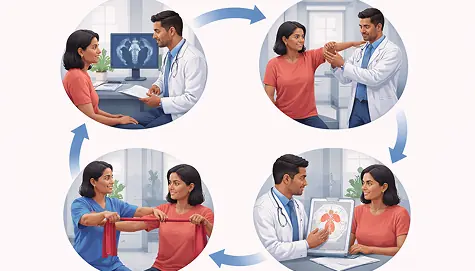
At Nivaan Pain Clinic, supraspinatus tendinopathy treatment follows a structured approach:
- Comprehensive specialist assessment
- Accurate diagnosis and tendon evaluation
- Personalized non-surgical treatment planning
- Guided physiotherapy and recovery monitoring
FAQs
Frequently asked questions
Can supraspinatus tendinopathy be treated without surgery?
Yes. Most patients improve with non-surgical supraspinatus tendinopathy treatment when managed early.
How long does recovery take?
Recovery timelines vary based on severity and adherence to treatment, with improvement often seen over weeks to months.
Are tendinopathy exercises painful?
Exercises are guided and adjusted to strengthen the tendon while minimizing pain.
Can supraspinatus tendinopathy lead to a tear?
Yes. Without proper care, tendon degeneration may progress to a supraspinatus tear.
Is early treatment important?
Yes. Early intervention improves healing and reduces the risk of chronic tendon damage.
Book an Appointment for Supraspinatus Tendinopathy Treatment
If shoulder tendon pain or weakness is limiting your daily activities, early supraspinatus tendinopathy treatment can help restore comfort and function.
Specialists