Shoulder pain · Condition
Shoulder Osteoarthritis Treatment: Non-Surgical Pain Relief and Mobility Care
Shoulder osteoarthritis is a degenerative joint condition that develops gradually over time. With appropriate shoulder osteoarthritis treatment, pain can be controlled and shoulder function preserved. Early diagnosis and a structured non-surgical approach support better long-term outcomes.
Overview
What Is Shoulder Osteoarthritis?
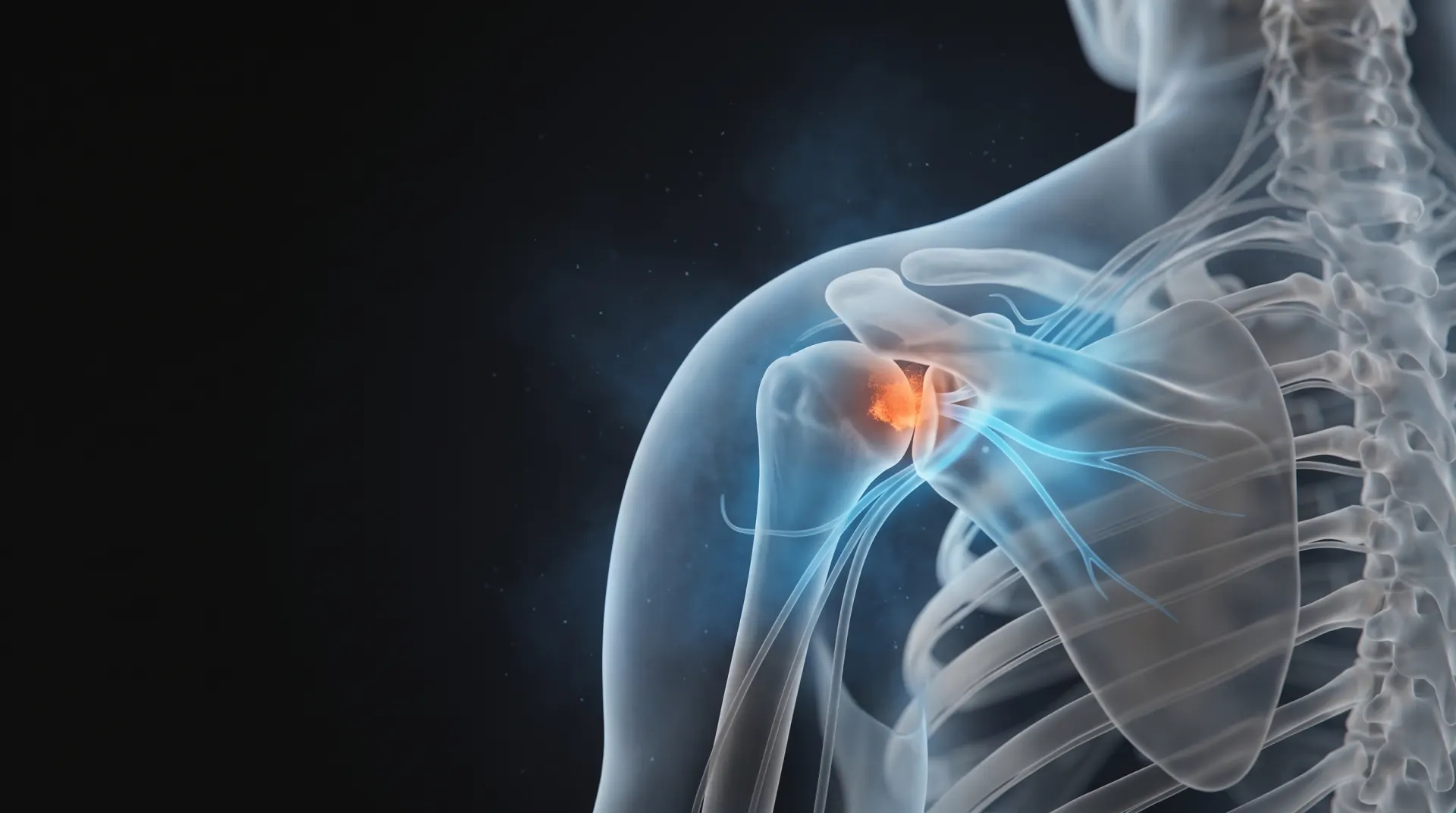
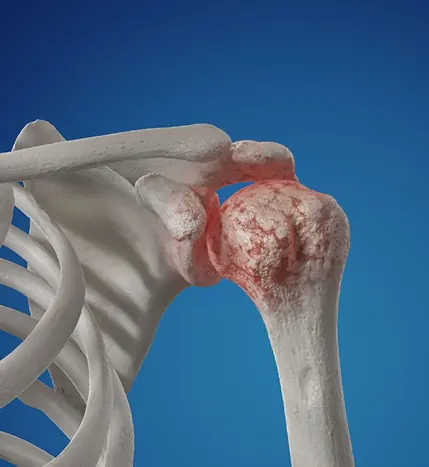
Shoulder osteoarthritis is a condition where the protective cartilage within the shoulder joint gradually wears down, leading to pain, stiffness, inflammation, and reduced shoulder movement over time.
It occurs when the smooth cartilage that allows pain-free shoulder movement begins to thin and break down. As this cushioning reduces, joint surfaces experience increased friction, leading to stiffness, discomfort, and restricted motion. Shoulder joint degeneration develops slowly and often progresses if not addressed early with appropriate care.
As shoulder arthritis progresses, routine activities may become increasingly difficult, including:
- Lifting the arm overhead
- Reaching behind the back
- Carrying or holding objects
- Dressing and personal grooming
- Sleeping on the affected side
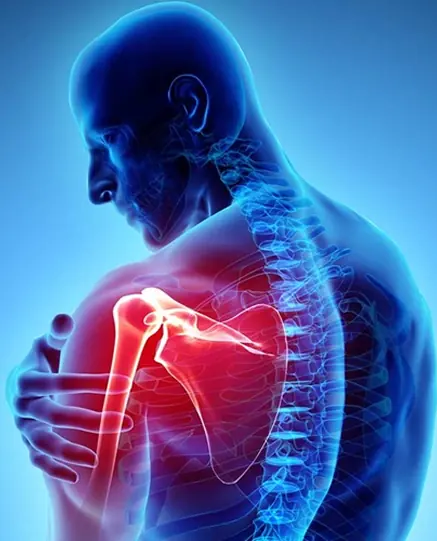
Pain may initially occur only during movement but can later persist at rest and during the night, affecting sleep quality and overall well-being.
Shoulder Joint
Understanding the Shoulder Joint
The shoulder is one of the most mobile joints in the body. It relies on coordinated movement between bones, cartilage, muscles, tendons, and ligaments to allow smooth motion in multiple directions.
In shoulder osteoarthritis, cartilage degeneration disrupts this balance. Reduced joint cushioning increases friction and inflammation, leading to pain, stiffness, and limited shoulder mobility.
Stages
Shoulder Osteoarthritis Stages
Shoulder osteoarthritis progresses gradually, although the rate of progression varies.
Early-Stage Shoulder Osteoarthritis
Cartilage begins to thin, but joint structure remains largely intact. Pain may be mild and activity-related, with occasional stiffness after rest.
Moderate Shoulder Osteoarthritis
Cartilage loss becomes more evident. Pain occurs more frequently, movement feels restricted, and grinding or clicking sensations may be noticed during shoulder motion.
Advanced Shoulder Osteoarthritis
Significant cartilage loss leads to joint space narrowing and persistent inflammation. Pain may be constant, and shoulder movement becomes severely limited, affecting daily activities.
Early non-surgical shoulder osteoarthritis treatment can help slow progression and preserve function.
Symptoms
Symptoms of Shoulder Osteoarthritis
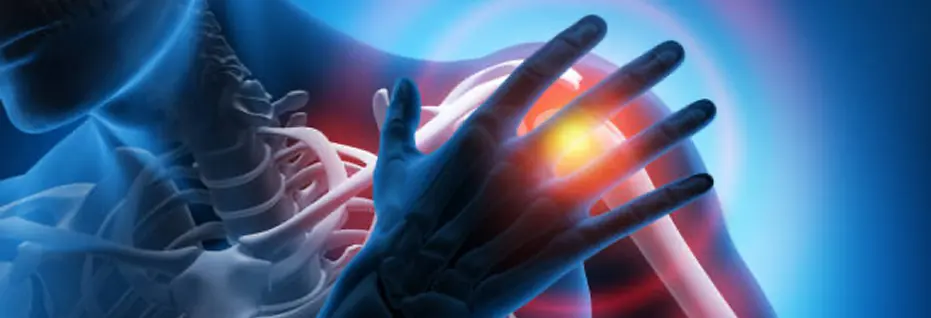
Common shoulder OA symptoms include:
- Deep, aching shoulder pain
- Pain that worsens with activity
- Morning or post-rest stiffness
- Reduced range of motion
- Grinding or clicking sensations in the joint
Symptoms That Need Medical Evaluation
- Pain persists, despite rest or medication.
- Increasing stiffness or loss of movement.
- Night pain that affects sleep.
- Difficulty performing routine daily tasks.
Causes and Risk Factors
Causes and Risk Factors of Shoulder Osteoarthritis
Shoulder osteoarthritis develops due to gradual cartilage degeneration influenced by several factors.

Age-related cartilage wear:
Natural aging reduces cartilage resilience, making the shoulder joint more vulnerable to degeneration over time.
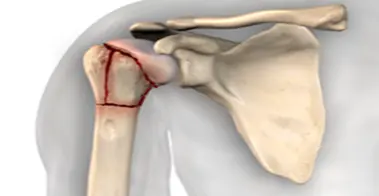
Previous shoulder injury or fracture:
Past trauma can disrupt joint alignment and accelerate cartilage breakdown.

Repetitive shoulder use:
Long-term overhead or load-bearing activities increase mechanical stress on the shoulder joint.
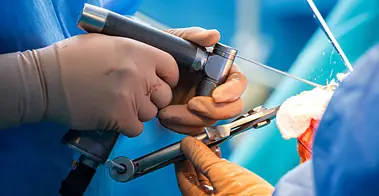
Prior shoulder surgery:
Surgical interventions can alter joint mechanics and contribute to uneven cartilage wear.
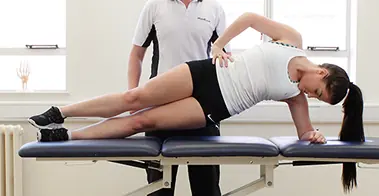
Muscle weakness or imbalance:
Poor muscular support around the shoulder increases joint load and instability.

Poor posture and movement patterns:
Abnormal shoulder mechanics can increase friction within the joint and worsen degeneration.

Genetic predisposition:
Some individuals may be more prone to joint degeneration due to inherited factors.
Diagnosis
Diagnosis and Assessment
Diagnosis involves a detailed clinical evaluation by a specialist.

- Physical examination of shoulder movement and strength
- Assessment of pain patterns and functional limitation
- Review of medical history and previous injuries
- Clinical tests to rule out inflammatory conditions or rotator cuff-related problems
- X-rays to assess joint space narrowing and bony changes.
- MRI when soft tissue or tendon evaluation is required.
Treatments
Advanced Non-Surgical Treatments for Shoulder Osteoarthritis
Most cases of shoulder osteoarthritis can be managed without surgery. Nonsurgical treatment focuses on pain control, maintaining mobility, improving strength, and supporting long-term joint health.
Advanced non-surgical treatments may be considered when pain persists despite physiotherapy and basic care. These options are selected carefully based on clinical assessment.
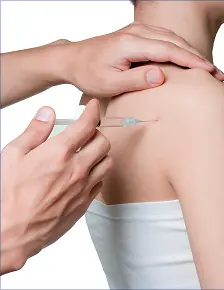
Steroid Injections
Targeted steroid injections help reduce inflammation within the shoulder joint or surrounding tissues. They can provide short- to medium-term pain relief and allow better participation in rehabilitation.

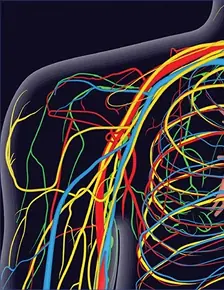
Nerve Blocks
Nerve blocks interrupt pain signals from irritated shoulder nerves. They are useful when pain significantly interferes with daily activity or sleep.
Radiofrequency Ablation (RFA)
RFA modulates pain-transmitting nerves around the shoulder joint. It may be recommended for chronic shoulder osteoarthritis pain that has not responded to other non-surgical treatments.
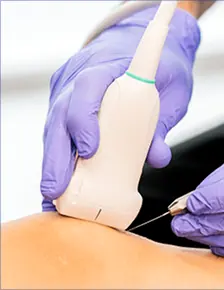
Regenerative Medicine (PRP Therapy)
Platelet-rich plasma therapy may be considered in selected patients to support tissue health and symptom control as part of a personalized, evidence-based treatment plan.
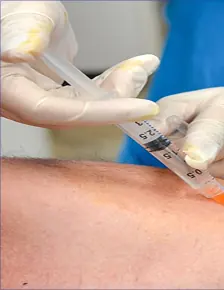
Trigger Point Injections
Trigger point injections help relieve muscle tightness and spasms around the shoulder that can worsen pain and restrict movement.
The Nivaan Way
At Nivaan Pain Clinic, all advanced non-surgical interventions are performed with precision under real-time imaging guidance, such as C-arm fluoroscopy or ultrasound, to ensure accurate targeting, improved safety, and superior outcomes.
When basic care is not enough, advanced non-surgical treatments can help restore shoulder movement with the right guidance.
Not sure which treatment fits your pain? A pain specialist can tell you after one assessment.
Recovery
Recovery Support: Physiotherapy, Nutrition, and Pain Counseling
Structured rehabilitation and daily care enhance the effectiveness of recovery from shoulder osteoarthritis.

Physiotherapy and rehabilitation
Guided physiotherapy focuses on restoring shoulder mobility, improving strength, correcting faulty movement patterns, and reducing joint overload. Exercises are progressed carefully to maintain function without worsening pain or stiffness.
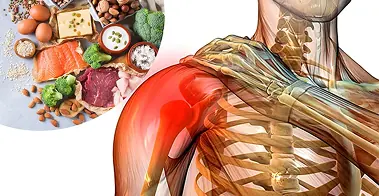
Nutrition support
Nutrition guidance supports joint health, tissue recovery, and inflammation control. This is especially important for patients with metabolic conditions that may influence joint degeneration and healing.

Pain counselling and emotional support
Persistent shoulder pain can affect sleep, mood, and confidence in movement. Pain counselling helps patients manage discomfort, set realistic recovery expectations, and stay engaged with treatment.
Together, this integrated recovery approach supports gradual improvement and helps patients return to daily activities with greater comfort and confidence.
When to consult
When to See an Interventional Pain Specialist?
You should consult a specialist for shoulder osteoarthritis if:
- Shoulder pain persists for several weeks.
- Stiffness continues to increase.
- Shoulder movement becomes restricted.
- Pain interferes with sleep or daily activities.
- Symptoms do not improve with rest or basic care.
Early specialist evaluation improves outcomes and helps prevent unnecessary progression.

Nivaan's Approach
Our Integrated, Non-Surgical Care Pathway
At Nivaan Pain Clinic, shoulder osteoarthritis care includes:
- Comprehensive specialist assessment
- Accurate diagnosis and staging
- Personalized non-surgical treatment planning
- Guided rehabilitation and ongoing monitoring

FAQs
Frequently asked questions
Can shoulder osteoarthritis be treated without surgery?
Yes. Most patients benefit from non-surgical shoulder arthritis treatment when managed early.
Is exercise safe with shoulder osteoarthritis?
Yes, when guided appropriately. Exercise is essential for maintaining shoulder mobility and strength.
How long does pain relief from injections last?
Relief duration varies and may last from weeks to months depending on the treatment used.
Can shoulder osteoarthritis worsen over time?
Yes, but progression can often be slowed with proper non-surgical care.
Does shoulder osteoarthritis always need injections or procedures?
No. Many patients improve with physiotherapy, activity modification, and guided non-surgical care. Injections or advanced procedures are considered only when pain persists or function remains limited despite basic treatment.
Book an Appointment for Shoulder Osteoarthritis Treatment
If shoulder pain or stiffness is affecting your daily life, early shoulder osteoarthritis treatment can help improve comfort, movement, and long-term joint health.
Specialists