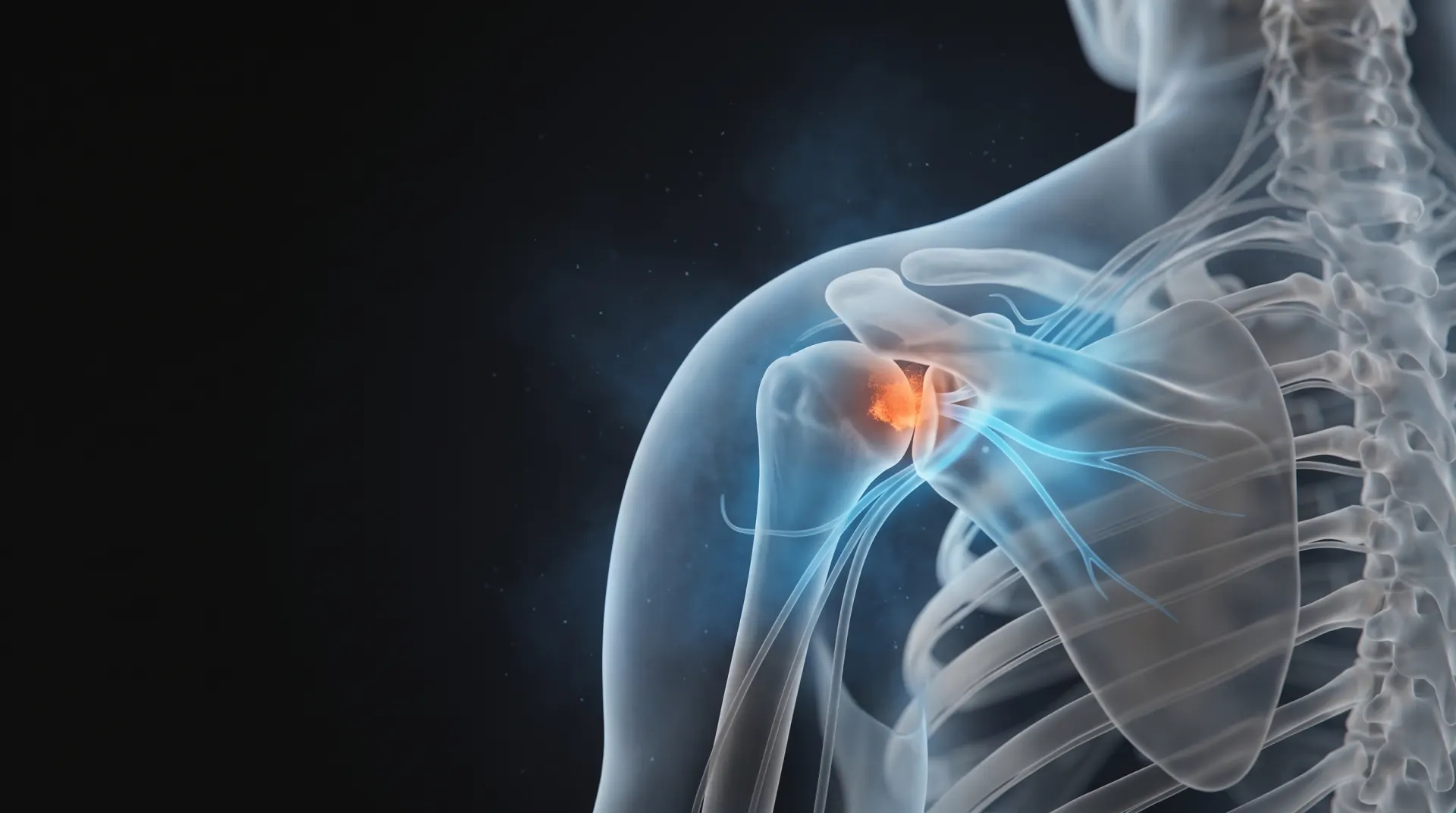
Shoulder pain · Treatment
Shoulder Impingement Treatment to Relieve Pain and Restore Smooth Movement
A structured, non-surgical approach to reduce shoulder impingement pain, restore smooth movement, and prevent recurring irritation.
Treatment Options
Non-Surgical Shoulder Impingement Treatment Options
Treatment is tailored based on symptom severity, activity level, and movement assessment.

Shoulder Physiotherapy and Impingement Exercises
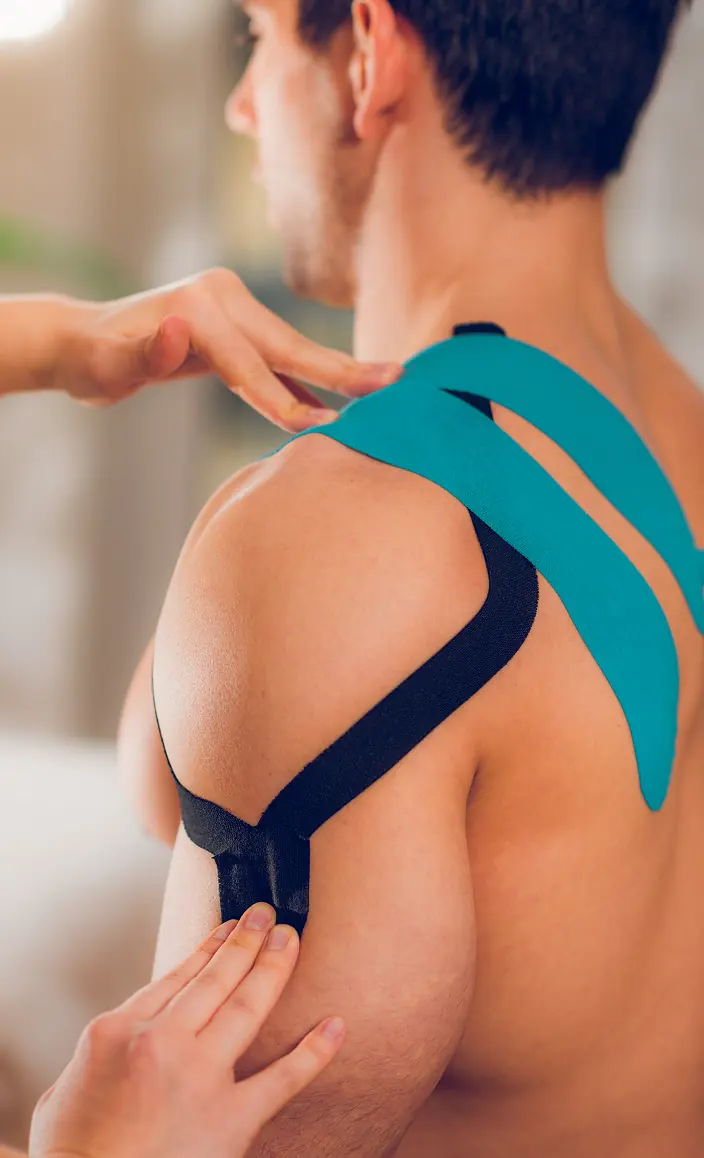
Physiotherapy focuses on correcting movement patterns, improving posture, and strengthening muscles that support proper shoulder alignment.
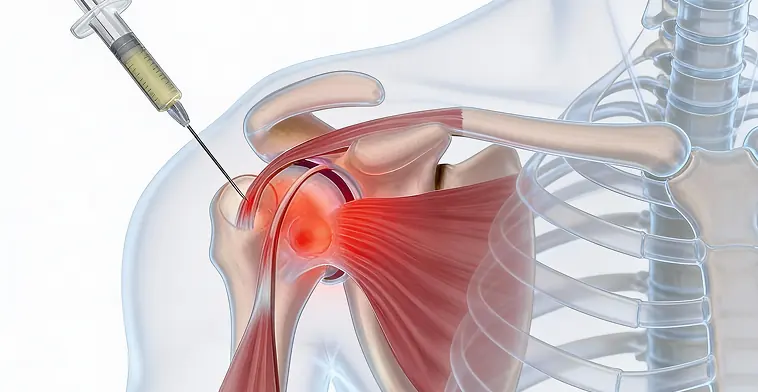
Steroid Injections
Targeted injections may be used to reduce inflammation and pain, especially during flare-ups, allowing effective participation in rehabilitation.
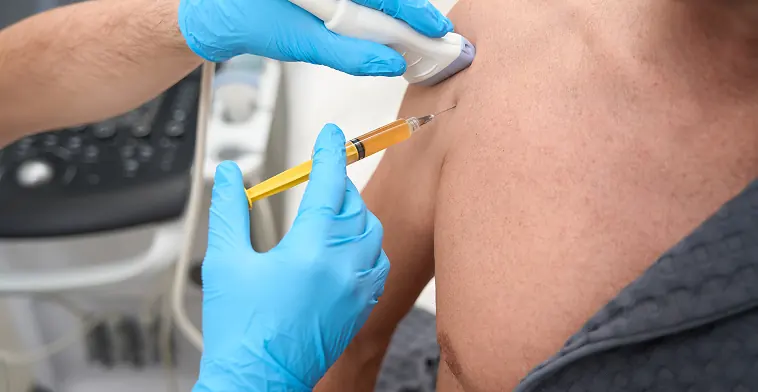
Regenerative Medicine (PRP)
PRP therapy may be considered when tendon irritation or degeneration contributes to ongoing symptoms, and supports tissue recovery.
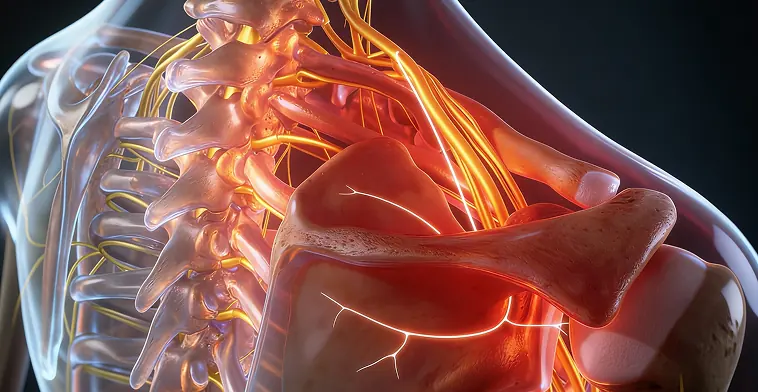
Shoulder Nerve Block Treatment
In cases of significant pain, nerve blocks may provide temporary relief to facilitate movement retraining and rehabilitation.
Not sure which treatment fits your pain? A pain specialist can tell you after one assessment.
Problem Awareness
Why Does Shoulder Impingement Keep Coming Back?
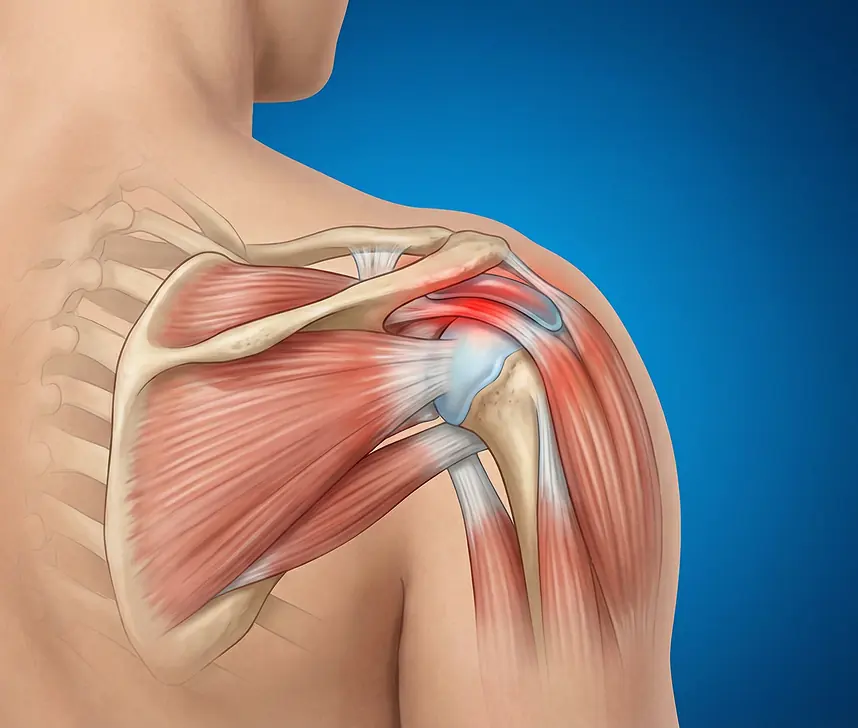
Shoulder impingement occurs when the tendons or bursa in the shoulder repeatedly get pinched during arm movement. This often develops due to poor shoulder mechanics, muscle imbalance, repetitive overhead activity, or posture-related strain.
Many people experience temporary relief with rest or medication, only for symptoms to return when activity resumes. Without correcting the underlying movement patterns and inflammation, shoulder impingement can persist and gradually limit daily function.
At Nivaan, shoulder impingement treatment focuses on identifying why the shoulder is being overloaded and addressing the cause, not just the pain.
Overview
What Is Shoulder Impingement?
A condition caused by repeated tendon compression
Shoulder impingement, also known as subacromial impingement, develops when the space between shoulder structures narrows, leading to irritation of tendons or the bursa during movement. Over time, this repeated compression can cause pain, inflammation, and reduced shoulder mobility.
Non-surgical shoulder impingement treatment aims to reduce irritation, restore healthy movement patterns, and prevent progression to tendon damage or tears.
Target Audience
Who Needs Shoulder Impingement Treatment?
For individuals with pain during lifting or overhead movement
Shoulder impingement treatment is recommended for people experiencing pain when raising the arm, reaching overhead, or performing repetitive shoulder activities.

Not sure which treatment fits your pain? A pain specialist can tell you after one assessment.
How It Works
How Does Shoulder Impingement Treatment Work?
A step-by-step approach to restoring shoulder mechanics
Effective treatment follows a structured pathway.
Not sure which treatment fits your pain? A pain specialist can tell you after one assessment.
Benefits
Key Benefits of Non-Surgical Shoulder Impingement Treatment
Relief that supports lasting shoulder function
When shoulder impingement is addressed at its source, patients often experience more reliable and sustained improvement.

Why Nivaan
Why Choose Nivaan for Shoulder Impingement Treatment?
Integrated care designed to prevent recurrence
Shoulder impingement often requires coordination between pain control and movement correction.

Multidisciplinary Expertise
Interventional pain specialists and physiotherapists collaborate to align treatment timing and rehabilitation.

Image-Guided Precision
Procedures are performed with imaging guidance to ensure accuracy and safety.

Rehabilitation-Focused Care
Treatment plans evolve as shoulder mechanics improve.
Recovery
Recovery and Aftercare for Shoulder Impingement
Steady improvement with guided rehabilitation
Recovery timelines vary depending on symptom severity and consistency with rehabilitation.


Early Phase
Pain and inflammation are reduced, allowing gentle shoulder movement to resume.

Strengthening Phase
Physiotherapy focuses on improving muscle balance and shoulder stability.

Functional Phase
As control improves, patients return to daily activities with reduced discomfort.
Typical Recovery Timeline
Safety and Risks
Safety Profile of Shoulder Impingement Treatment
Low-risk and conservative when guided appropriately
Nonsurgical shoulder impingement treatment is generally safe with proper assessment..
Why treatment is considered safe:
- Noninvasive or minimally invasive options
- Image-guided procedures, when required.
- Gradual rehabilitation progression
- Continuous monitoring
Possible temporary effects include:
- Mild soreness after procedures
- Temporary discomfort during exercises
FAQs
Frequently asked questions
What is shoulder impingement?
Shoulder impingement occurs when shoulder tendons or the bursa become compressed during arm movement.
Is subacromial impingement the same as shoulder impingement?
Yes. Subacromial impingement is the most common form of shoulder impingement.
Can shoulder impingement be treated without surgery?
Often, non-surgical shoulder impingement treatment is effective.
Do shoulder impingement exercises help?
Yes. Guided exercises are essential for correcting movement patterns and preventing recurrence.
How long does shoulder impingement recovery take?
Recovery varies, but often improves over weeks or months with consistent care.
Ready to Move Without Shoulder Pain?
Take the next step toward comfortable, confident movement. Shoulder impingement does not have to limit daily life. With structured, non-surgical treatment, many patients regain pain-free movement and function.
Specialists