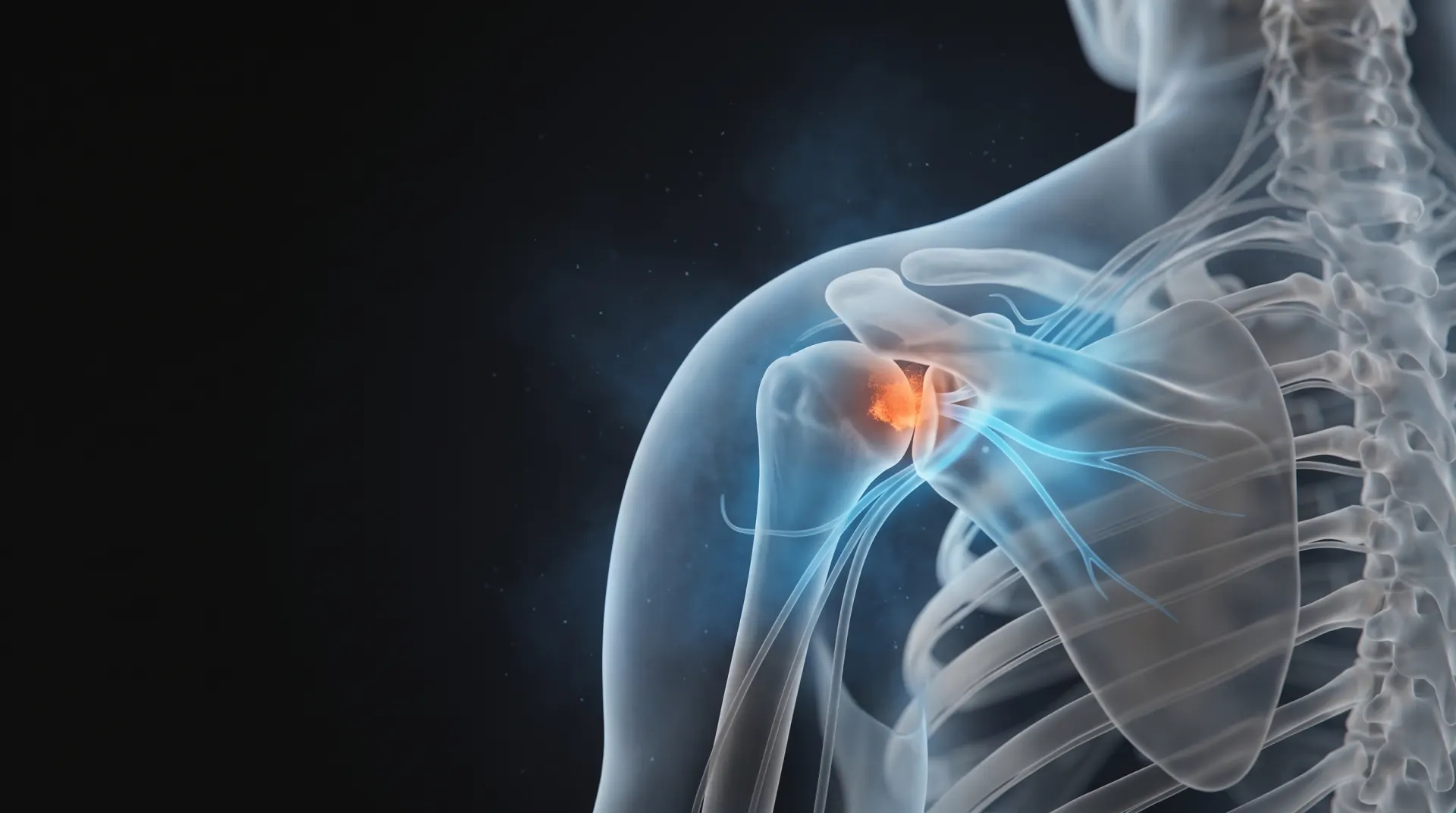
Shoulder pain · Condition
Shoulder Bursitis Treatment: Relief from Shoulder Inflammation Without Surgery
Shoulder bursitis is a condition caused by inflammation of the fluid-filled sac that cushions the shoulder joint. This inflammation can lead to pain, stiffness, and difficulty moving the arm.
Overview
What is Shoulder Bursitis?
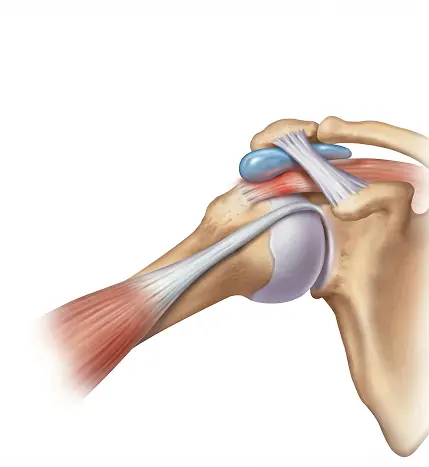
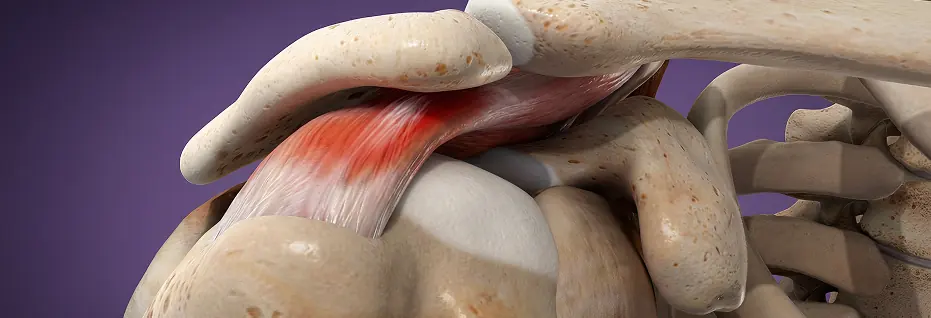
Shoulder bursitis occurs when a bursa, a small fluid-filled sac that reduces friction between bones and soft tissues, becomes inflamed. In the shoulder, the most commonly affected bursa is the subacromial bursa, leading to subacromial bursitis.
When the bursa becomes irritated, it swells and produces excess fluid, increasing pressure within the joint. This results in pain during movement and discomfort at rest. Shoulder bursa inflammation often develops due to overuse, repetitive motion, or underlying shoulder mechanics issues.
Unlike short-term shoulder soreness, bursitis tends to persist and may worsen without guided care. As inflammation continues, even simple shoulder movements can become painful and restricted.
As symptoms progress, shoulder bursitis may interfere with routine activities, including:
- Pain while lifting the arm or reaching overhead.
- Discomfort during dressing or grooming.
- Pain when lying on the affected shoulder.
- Reduced shoulder endurance during daily tasks.
- Difficulty performing work or physical activity.
Without appropriate non-surgical shoulder bursitis treatment, these symptoms may continue for several weeks or longer.
Shoulder Joint
Understanding the Shoulder Joint
The shoulder is a highly mobile joint that depends on smooth interaction between bones, muscles, tendons, ligaments, and bursae to allow pain-free movement.
In shoulder bursitis, inflammation of the bursa disrupts this smooth motion. Swelling increases friction during arm movement, leading to pain, stiffness, and discomfort even with gentle activity.
Stages
Types and Patterns of Shoulder Bursitis
Shoulder bursitis can vary based on location and cause, with different symptom patterns and recovery needs.

Subacromial Bursitis:
The most common form, affecting the bursa beneath the acromion, often causing pain during overhead movement.
Chronic or Recurrent Bursitis:
Develops when inflammation persists or repeatedly returns due to ongoing mechanical stress or poor shoulder mechanics.
Understanding the bursitis pattern helps guide appropriate treatment planning.
Symptoms
Symptoms of Shoulder Bursitis
Common symptoms include:
- Persistent shoulder pain that worsens with movement.
- Pain during overhead activity or lifting.
- Localized tenderness around the shoulder.
- Stiffness and reduced range of motion.
- Night pain, especially when lying on the affected side.
- Discomfort during routine daily tasks.
Symptoms That Need Medical Evaluation
- Shoulder pain lasting several weeks without improvement.
- Increasing stiffness or reduced movement.
- Pain that interferes with sleep.
- Difficulty performing daily activities.
- Symptoms that worsen despite rest.
Early evaluation improves outcomes with non-surgical shoulder bursitis treatment.
Causes and Risk Factors
Causes and Risk Factors
Shoulder bursitis develops due to irritation and inflammation of the bursa. Common contributing factors include:
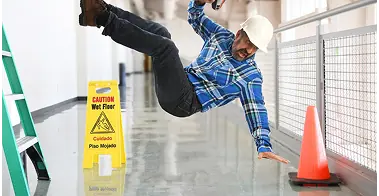
Repetitive overhead use:
Frequent lifting or reaching above shoulder level.
Poor posture or shoulder mechanics:
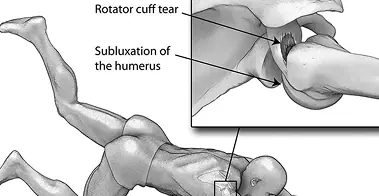
Increased friction within the joint.
Previous shoulder injury:
Trauma can trigger inflammatory changes.
Muscle imbalance or weakness:
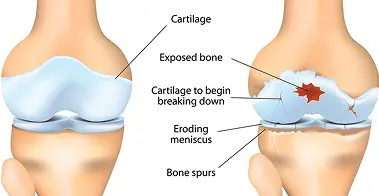
Alters joint loading patterns.

Age-related changes:
Reduced tissue resilience over time.
In some patients, bursitis develops gradually without a clear single cause.
Diagnosis
Diagnosis and Assessment
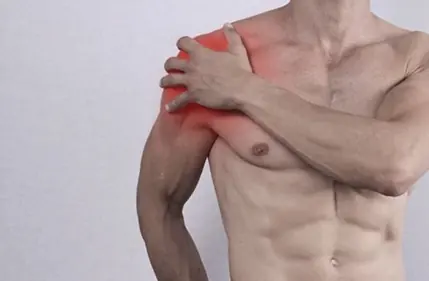
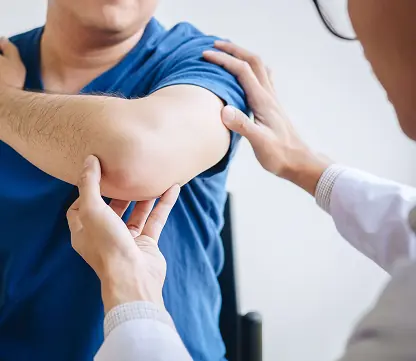
Shoulder bursitis is diagnosed through clinical evaluation and symptom assessment.
- Examination of shoulder movement and pain patterns.
- Identification of tenderness and movement-related discomfort.
- Review of activity history, posture, and prior injuries.
- Imaging such as ultrasound or MRI may be advised to confirm inflammation and rule out other shoulder conditions when required.
Accurate diagnosis supports effective non-surgical care.
Treatments
Advanced Non-Surgical Treatments for Shoulder Bursitis
Most cases of shoulder bursitis can be managed without surgery. Treatment focuses on reducing inflammation, relieving pain, and restoring smooth shoulder movement.
For patients whose symptoms do not improve with rest and basic physiotherapy alone, advanced non-surgical treatments may be recommended. These are selected based on pain severity, functional limitation, and response to initial care.
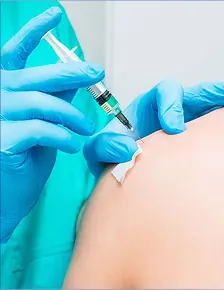
Image-Guided Injections
Targeted injections help reduce inflammation within the bursa and surrounding tissues. By calming the inflammatory process, these injections improve comfort and allow better participation in shoulder bursitis exercises and rehabilitation.
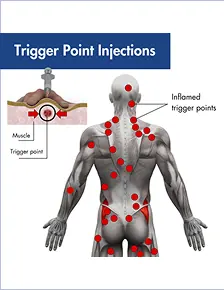
Trigger Point Injections
When muscle tightness around the shoulder contributes to pain, trigger point injections help relax overactive muscles and improve shoulder movement during recovery.
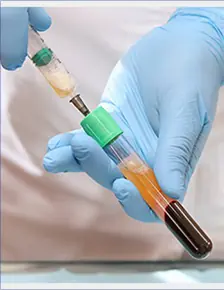
Regenerative Medicine (PRP)
In selected cases, regenerative treatments such as platelet-rich plasma may be considered as an adjunct to standard care. These options are used cautiously and only when clinically appropriate as part of a personalized shoulder bursitis treatment plan.
The Nivaan Way
At Nivaan, all advanced non-surgical interventions are performed with precision under real-time imaging guidance, such as ultrasound or C-arm fluoroscopy, to ensure accurate targeting, improved safety, and reliable outcomes.
When conservative care is not enough, advanced non-surgical treatments can support recovery with specialist guidance.
Not sure which treatment fits your pain? A pain specialist can tell you after one assessment.
Recovery
Recovery Support: Physiotherapy, Nutrition, and Pain Counselling
Recovery from shoulder bursitis is more effective when medical treatment is supported by structured rehabilitation and daily care.

Physiotherapy and rehabilitation
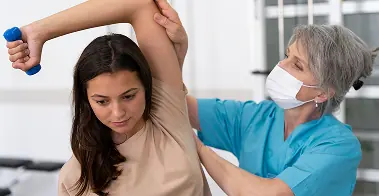
Guided physiotherapy focuses on restoring shoulder mobility, improving strength, and correcting movement patterns through stage-appropriate shoulder bursitis exercises.

Nutrition support
Nutrition guidance supports tissue recovery and helps reduce inflammation, especially in individuals with metabolic or inflammatory conditions.
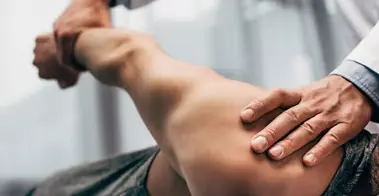
Pain counselling and emotional support
Persistent pain can affect sleep and confidence. Pain counselling helps patients remain engaged with treatment and maintain realistic recovery expectations.
Together, this integrated support helps patients return to daily activities with confidence.
When to Consult
When to See an Interventional Pain Specialist
You should consult a specialist if:
- Shoulder pain persists despite rest.
- Inflammation and stiffness continue to worsen.
- Shoulder movement becomes limited.
- Symptoms interfere with daily activities or sleep.
Early specialist care improves outcomes and reduces recovery time.
Nivaan's Approach
Our Integrated Non-Surgical Care Pathway
At Nivaan, shoulder bursitis treatment follows a structured approach:
- Comprehensive specialist assessment
- Accurate diagnosis and confirmation of inflammation
- Personalized non-surgical treatment planning
- Guided rehabilitation and recovery monitoring

FAQs
Frequently asked questions
Can shoulder bursitis be treated without surgery?
Yes. Most patients recover with non-surgical shoulder bursitis treatment when managed early.
What are common bursitis shoulder symptoms?
Pain with movement, stiffness, tenderness, and night discomfort are common symptoms.
Is subacromial bursitis serious?
It is usually manageable with timely care and does not require surgery in most cases.
Do shoulder bursitis exercises help recovery?
Yes. Structured exercises improve movement and reduce recurrence when guided appropriately.
Is early treatment important for shoulder bursitis?
Yes. Early care reduces inflammation and prevents chronic shoulder pain.
Book an Appointment for Shoulder Bursitis Treatment
If shoulder pain and inflammation are limiting your daily activities, early shoulder bursitis treatment can help restore comfort and movement.
Specialists