Shoulder pain · Condition
Shoulder Impingement Treatment: Reduce Pain and Restore Comfortable Arm Movement
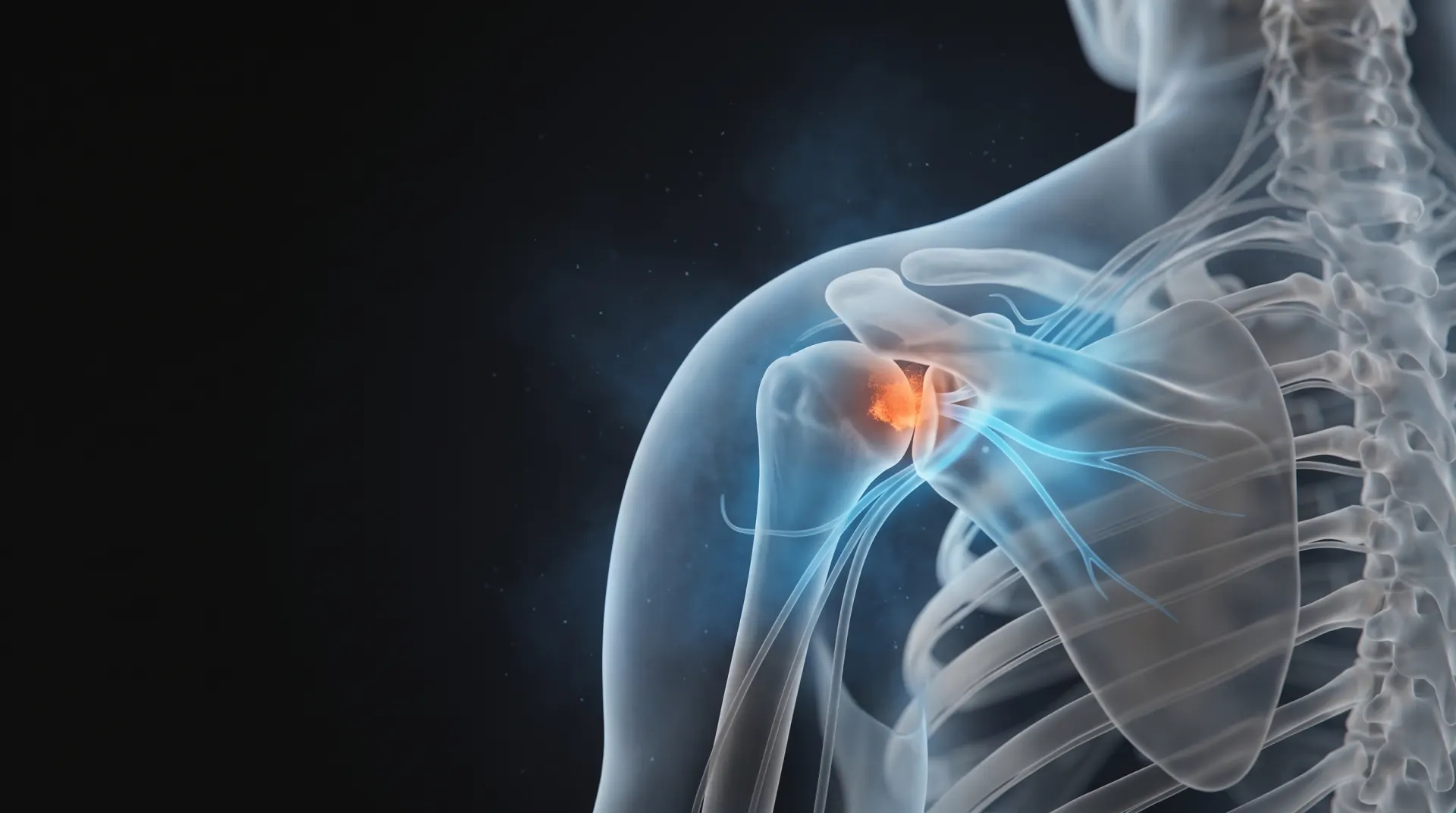
Shoulder impingement is a condition where shoulder structures become compressed during arm movement, leading to pain and restricted motion.
Overview
What is Shoulder Impingement?
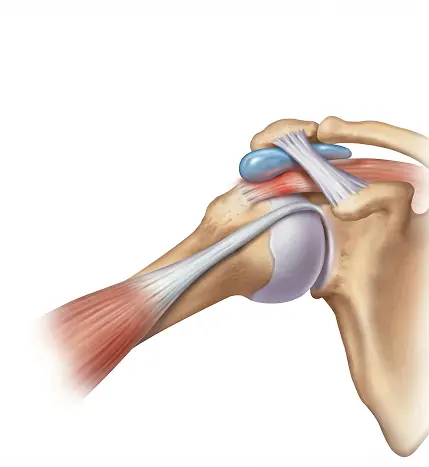
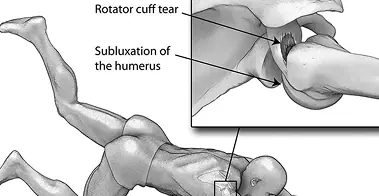
Shoulder impingement occurs when the tendons of the rotator cuff or surrounding soft tissues become pinched between the upper arm bone and the shoulder blade during movement. This compression causes irritation, pain, and inflammation within the shoulder.
Rotator cuff impingement commonly develops when repeated overhead activity, poor posture, or altered shoulder mechanics reduce the space available for smooth tendon movement. As irritation increases, shoulder motion becomes painful and less controlled.
Unlike temporary shoulder strain, impingement often persists and may worsen without guided care. As compression continues, even simple movements such as lifting the arm or reaching forward can trigger discomfort.
As symptoms progress, shoulder impingement may interfere with routine activities, including:
- Pain during overhead or reaching movements.
- Shoulder grinding pain or catching sensations.
- Discomfort while dressing or grooming.
- Night pain when lying on the affected side.
- Reduced ability to perform work or physical activity.
Without appropriate non-surgical shoulder impingement treatment, these limitations may persist.
Shoulder Joint
Understanding the Shoulder Joint
The shoulder is a highly mobile joint that relies on coordinated movement between bones, muscles, tendons, and ligaments to allow pain-free motion.
In shoulder impingement, narrowing of the space within the joint leads to repeated compression of soft tissues. This increases friction and irritation, resulting in pain, weakness, and reduced movement even during routine activity.
Stages
Types and Patterns of Shoulder Impingement
Shoulder impingement may vary based on the structures involved, with different symptom patterns and recovery needs.
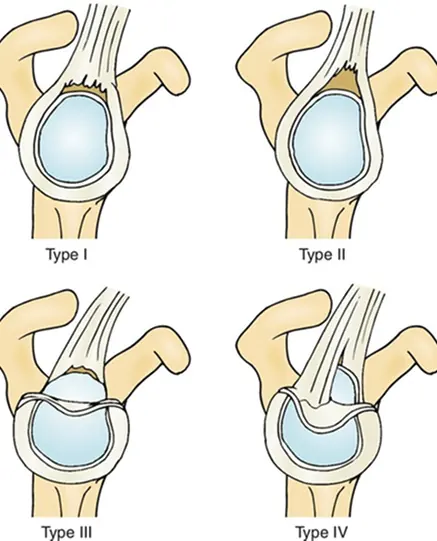
Subacromial Impingement:
Involves compression of rotator cuff tendons beneath the acromion, often causing pain during overhead activity.
Rotator Cuff Impingement:
Occurs when tendon irritation develops due to altered shoulder mechanics or muscle imbalance.
Understanding the impingement pattern helps guide appropriate treatment planning.
Symptoms
Symptoms of Shoulder Impingement
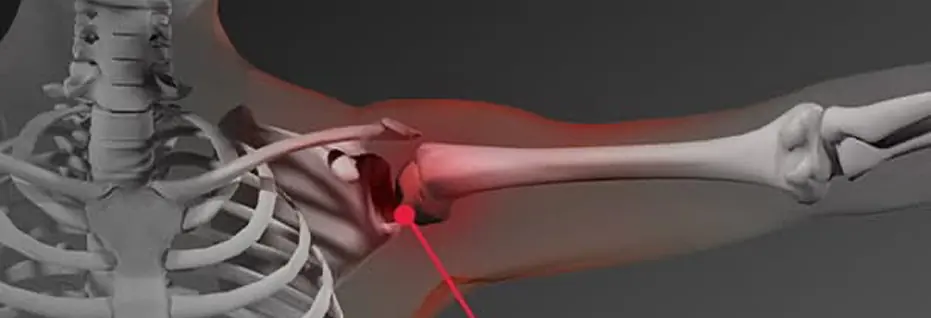
Common symptoms include:
- Persistent shoulder pain that worsens with movement.
- Pain during lifting or overhead activity.
- Shoulder grinding pain or catching sensations.
- Weakness or fatigue with arm use.
- Night pain that disrupts sleep.
- Discomfort during routine daily tasks.
Symptoms That Need Medical Evaluation
- Shoulder pain lasting several weeks without improvement.
- Increasing discomfort during arm movement.
- Grinding or catching sensations in the shoulder.
- Difficulty performing daily activities.
- Night pain affecting sleep regularly.
Early evaluation improves outcomes with non-surgical shoulder impingement treatment.
Causes and Risk Factors
Causes and Risk Factors
Shoulder impingement develops due to repeated compression and irritation within the joint. Common shoulder impingement causes include:

Repetitive overhead activity related to sports or work.

Poor posture that reduces shoulder joint space.
Muscle imbalance or weakness affecting movement control.
Previous shoulder injury altering joint mechanics.

Age-related changes that reduce tissue flexibility.
In many patients, impingement develops gradually without a single clear injury.
Diagnosis
Diagnosis and Assessment
Shoulder impingement is diagnosed through clinical evaluation and movement assessment.

- Examination of shoulder range of motion and pain response.
- Evaluation of strength, posture, and movement patterns.
- Review of activity history and symptom progression.
- Imaging such as X-rays, ultrasound, or MRI may be advised to rule out other shoulder conditions when required.
Accurate diagnosis is essential to guide effective care.
Treatments
Advanced Non-Surgical Treatments for Shoulder Impingement
Most cases of shoulder impingement can be managed without surgery. Treatment focuses on reducing compression, relieving pain, and restoring smooth shoulder movement.
For patients whose symptoms do not improve with rest and basic physiotherapy alone, advanced non-surgical treatments may be recommended. These are selected based on symptom severity, functional limitation, and response to initial care.

Image-Guided Injections
Targeted injections help reduce inflammation and pain in compressed shoulder tissues. By improving comfort, these injections allow more effective participation in impingement exercises and rehabilitation.
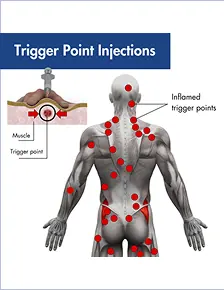
Trigger Point Injections
When muscle tightness contributes to altered shoulder mechanics, trigger point injections help relax overactive muscles and support smoother movement during recovery.

Regenerative Medicine (PRP)
In selected cases, regenerative treatments such as platelet-rich plasma may be considered as an adjunct to standard care. These options are used cautiously and only when clinically appropriate as part of a personalized shoulder impingement treatment plan.
The Nivaan Way
At Nivaan, all advanced non-surgical interventions are performed with precision under real-time imaging guidance, such as ultrasound or C-arm fluoroscopy, to ensure accurate targeting, improved safety, and reliable outcomes.
When conservative care alone is not enough, advanced non-surgical treatments can support recovery with specialist guidance.
Not sure which treatment fits your pain? A pain specialist can tell you after one assessment.
Recovery
Recovery Support: Physiotherapy, Nutrition, and Pain Counselling
Recovery from shoulder impingement is more effective when medical treatment is supported by structured rehabilitation and daily care.

Physiotherapy and rehabilitation
Guided physiotherapy focuses on restoring shoulder mechanics, improving strength, and correcting movement patterns through stage-appropriate impingement exercises.

Nutrition support
Nutrition guidance supports tissue recovery and helps reduce inflammation, especially in individuals with metabolic or inflammatory conditions.

Pain counselling and emotional support
Persistent pain and movement restriction can affect sleep and confidence. Pain counseling helps patients stay engaged with treatment and maintain realistic recovery expectations.
Together, this integrated support helps patients return to daily activities with confidence.
When to Consult
When to See an Interventional Pain Specialist
You should consult a specialist if:
- Shoulder pain persists despite rest.
- Grinding or pain continues to worsen.
- Shoulder movement becomes restricted.
- Symptoms interfere with daily activities or sleep.
Early specialist care improves outcomes and reduces recovery time.

Nivaan's Approach
Our Integrated Non-Surgical Care Pathway
At Nivaan, shoulder impingement treatment follows a structured approach:
- Comprehensive specialist assessment
- Accurate diagnosis and movement analysis
- Personalized non-surgical treatment planning
- Guided rehabilitation and recovery monitoring

FAQs
Frequently asked questions
Can shoulder impingement be treated without surgery?
Yes. Most patients recover with non-surgical shoulder impingement treatment when managed early.
What are common shoulder impingement causes?
Repetitive overhead activity, poor posture, and muscle imbalance are common causes.
Does rotator cuff impingement require surgery?
In most cases, non-surgical care is effective when started early.
Do impingement exercises help recovery?
Yes. Structured exercises improve shoulder mechanics and reduce recurrence.
Is early treatment important for shoulder impingement?
Yes. Early care prevents worsening pain and long-term movement limitation.
Book an Appointment for Shoulder Impingement Treatment
If shoulder pain or grinding is limiting your daily activities, early shoulder impingement treatment can help restore comfort and movement.
Specialists