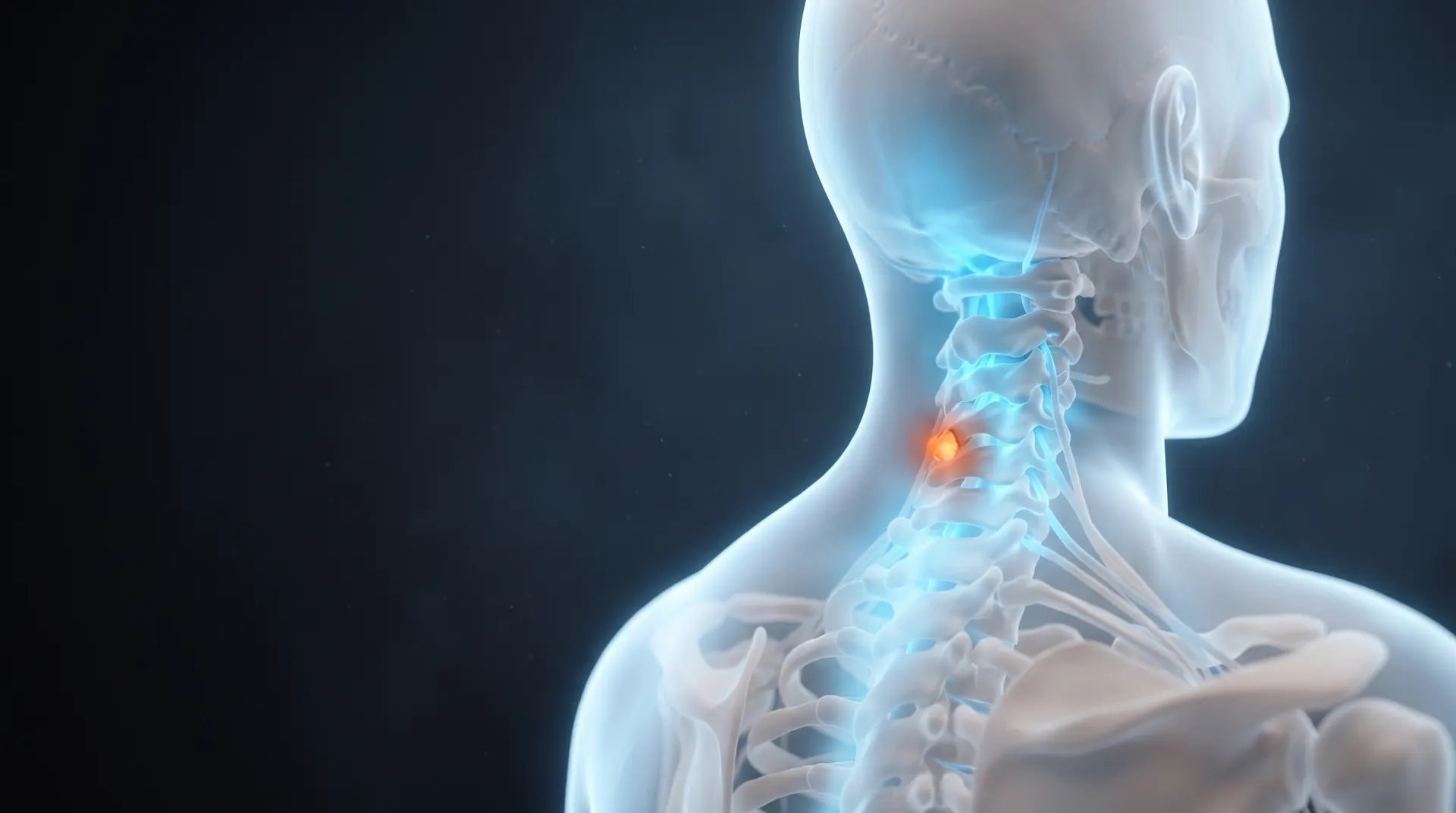
Neck pain
Neck Pain Is Common Long-Term Limitations Does Not Have to Be!
Learn what causes recurring neck pain, the deeper factors involved, and how structured non-surgical care supports lasting improvement in movement, focus, and confidence.
- Minimally Invasive Non-Surgical Neck Pain Treatment
Overview
Neck Pain Is Not Just Uncomfortable. It Is Limiting.
Neck pain affects how you sit, work, concentrate, drive, sleep, and move through your day. It may begin after prolonged screen use, poor posture, stress, or injury. When it keeps coming back, it usually means the real cause has not been addressed.
Temporary relief from rest, painkillers, or basic therapy does not always mean healing. Without understanding how your neck moves, loads, and stabilises, pain often returns.
At Nivaan, neck pain treatment focuses on identifying the root cause and delivering structured, non-surgical care so you can move freely without fear, dependency on medication, or unnecessary surgery.
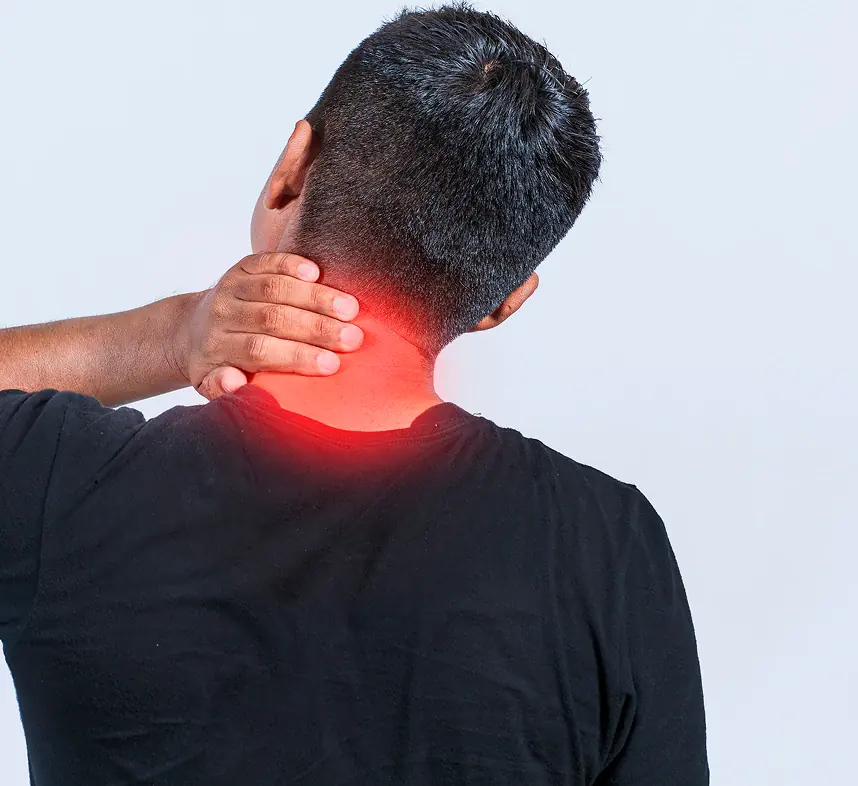
Types
Understanding Different Types of Neck Pain
Not all neck pain behaves the same way. Some pain starts suddenly after injury or strain, while other pain develops slowly and keeps returning. Some pain worsens with movement, while other pain lingers even at rest. Understanding how your neck pain behaves helps narrow down causes and prevents ineffective or incomplete treatment.
Acute Neck Pain vs Chronic Neck Pain
PAIN STARTS SUDDENLY
Acute Neck Pain
Acute neck pain often appears after sudden strain, awkward movement, whiplash, or poor sleeping posture. With appropriate care and treatment, symptoms improve as tissues recover.
PAIN KEEPS COMING BACK
Chronic Neck Pain
Chronic neck pain lingers or returns over time, often due to unresolved muscle overload, disc stress, poor posture, or nerve irritation. It requires a structured treatment plan rather than repeated short-term relief.
Mechanical Neck Pain vs Inflammatory Neck Pain
MOVEMENT-DRIVEN PAIN
Mechanical Neck Pain
Mechanical neck pain worsens with prolonged sitting, turning the head, screen use, or poor posture and eases with rest. It is often linked to muscle imbalance, joint stress, or disc loading issues.
PAIN PERSISTS EVEN AT REST
Inflammatory Neck Pain
Inflammatory neck pain may continue at rest and is often associated with stiffness, swelling, or morning discomfort, pointing toward inflammation inside the cervical joints or surrounding structures.
Risks
What Happens When Neck Pain Is Ignored
Neck pain rarely goes away on its own. Ignoring pain or pushing through it often worsens the problem. The body starts to compensate, nearby muscles tighten, nerves become irritated, and the risk of long-term dysfunction increases.

How Neck Pain Progresses and Why Timing Matters
- Mild discomfort can turn into persistent pain, stiffness, and headaches
- Delaying care reduces neck stability and function
- People often avoid movement, rely on painkillers, and develop chronic pain
- Early clarity helps correct problems sooner and protects long-term spinal health
At Nivaan, doctors lead your neck pain recovery by identifying the real cause and designing a clear, non-surgical plan tailored to how your neck moves and heals.
- 36,000+ patients treated
- 4,000+ non-surgical procedures
- 150+ years of combined clinical expertise
Not sure which treatment fits your pain? A pain specialist can tell you after one assessment.
Causes & Conditions
Common Conditions Causing Neck Pain
Neck pain often begins with overuse, posture strain, injury, or long-term spinal changes. Sometimes pain comes from muscles or discs, and other times it is driven by nerve or joint health. Identifying the cause guides effective treatment and lasting relief.
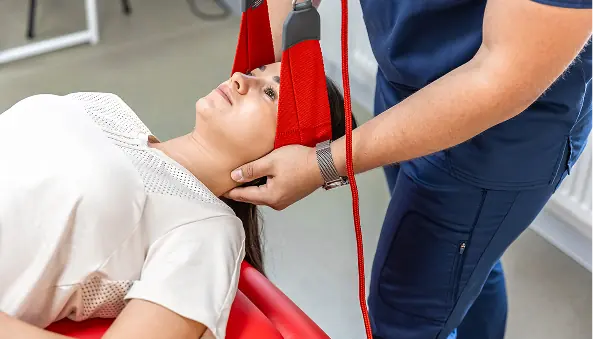
PAIN DRIVEN BY LOAD, POSITION, AND REPETITION
Postural Strain and Overuse Conditions
These conditions often develop when prolonged screen use, poor posture, or repeated strain exceeds the neck’s ability to stabilise and recover.
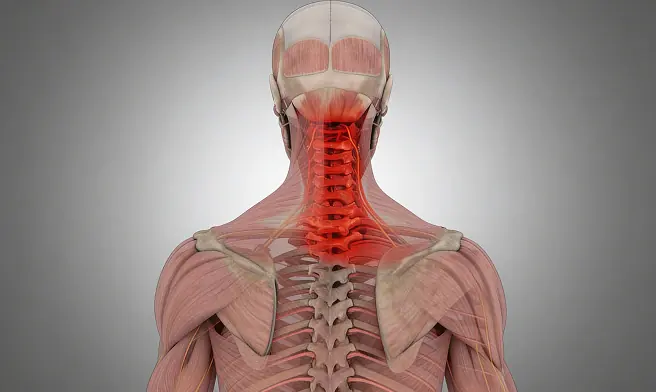
Muscle Strain and Spasm
Neck muscles become overloaded from sustained posture or stress, leading to stiffness and recurring pain.
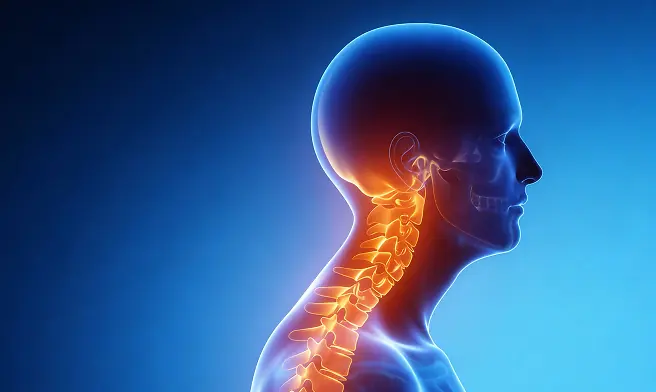
Cervical Disc Degeneration
Gradual disc wear reduces cushioning and increases sensitivity to load and movement.

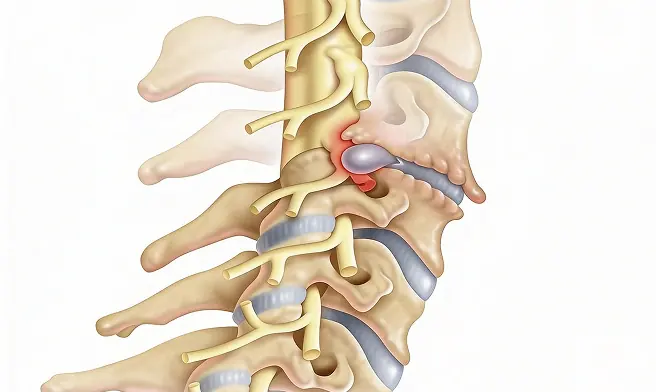
Cervical Disc Herniation
Disc material irritates nearby nerves, causing radiating arm pain, numbness, or weakness.
Cervical Spondylosis
Age-related joint changes lead to stiffness, reduced movement, and chronic discomfort.
PAIN INFLUENCED BY INFLAMMATION AND NERVE SENSITIVITY
Inflammatory and Systemic Neck Conditions
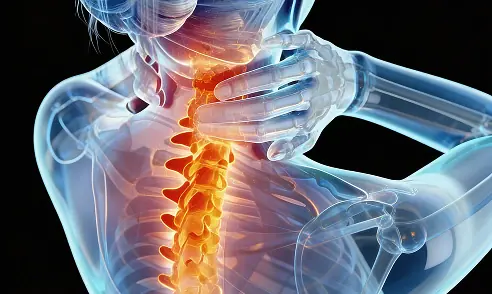
Inflammatory Arthritis
Inflammation affects cervical joints, causing pain, stiffness, and morning discomfort.
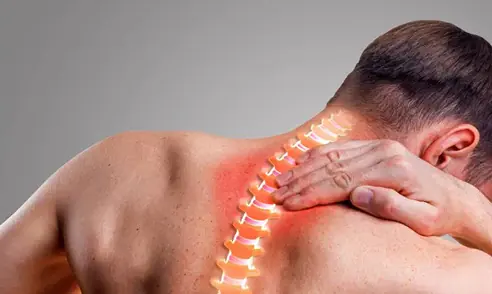
Fibromyalgia
Widespread pain sensitivity can amplify neck pain alongside fatigue and sleep issues.
Not Sure Which Neck Condition Fits Your Pain?
That is normal. Neck pain symptoms often overlap.
The right next step is not more Googling.
It is a proper diagnosis that connects symptoms, movement, and cause.
Not sure which treatment fits your pain? A pain specialist can tell you after one assessment.
Treatment
Neck Pain Treatment Without Surgery
Why Non-Surgical Treatment Is Often the Best First Step
Surgery repairs damaged structures. However, most neck pain is caused by how the cervical spine is loaded and used rather than damage that requires cutting or replacement.
Non-surgical treatment focuses on
- Reducing pain and inflammation
- Correcting posture and movement imbalance
- Rebuilding strength and confidence gradually
When done correctly, this approach resolves pain in the majority of cases.
Most neck pain does not require surgery. The right diagnosis, combined with structured, non-surgical care, can reduce pain, restore movement, and prevent recurrence without long recovery periods or unnecessary procedures.
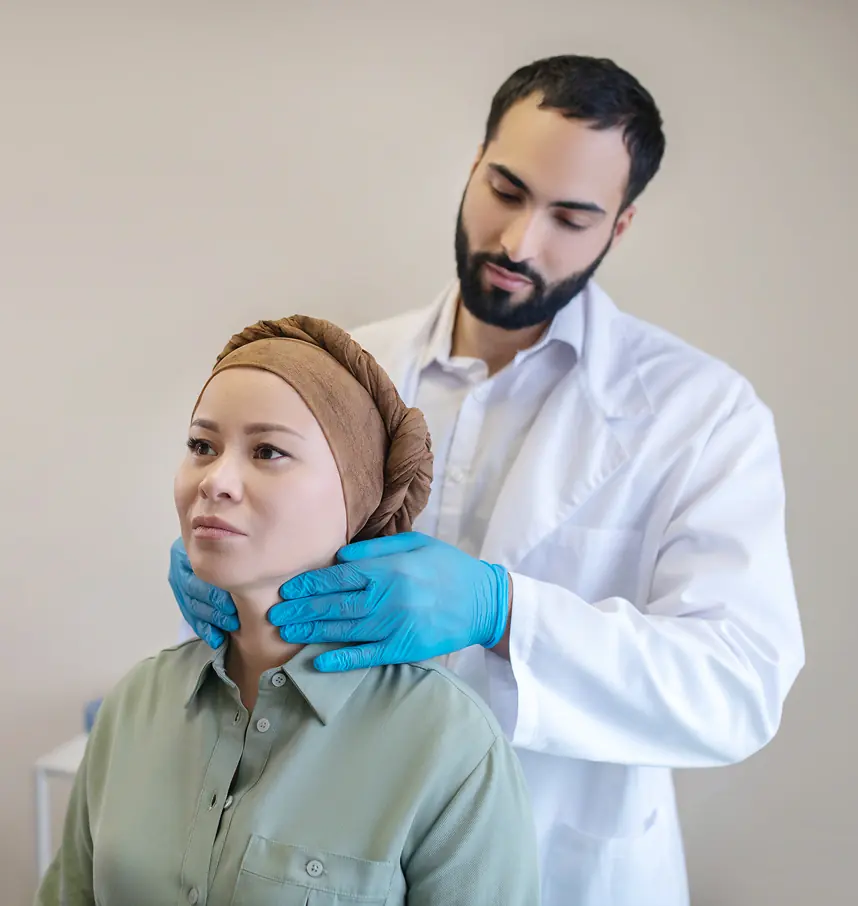
Muscle Strengthening (The Neck’s Support System)
- Strengthening deep cervical stabilisers
- Building upper back and postural strength
- Improving neck stability during daily activities
Movement and Biomechanics Correction
- Improving sitting and screen posture
- Correcting faulty head and shoulder mechanics
- Reducing repeated stress on sensitive structures
- Preventing the same neck pain from returning
Mobility and Range of Motion Restoration
- Restoring comfortable neck rotation and tilt
- Reducing stiffness limiting daily movement
- Improving flexibility without forcing pain
Load Management and Functional Training
- Gradually reintroducing normal activity
- Training tolerance for work and travel
- Reducing flare-ups through controlled progression
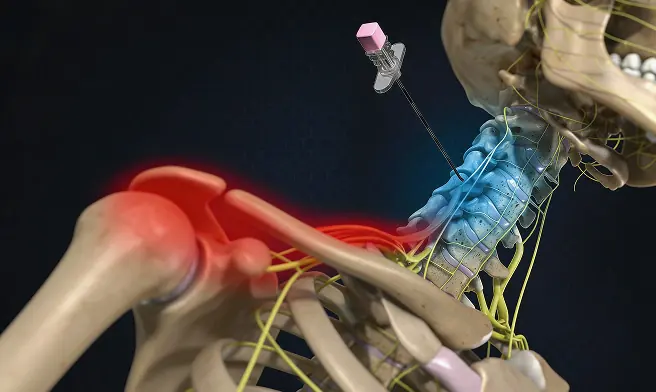
Epidural Steroid Injections
Epidural steroid injections deliver anti-inflammatory medicine directly near irritated cervical nerves. They help reduce swelling from conditions such as cervical disc herniation, arthritis, or nerve inflammation. Pain relief may be felt quickly or gradually and can last for weeks to months. This relief often makes physiotherapy and daily movement easier.
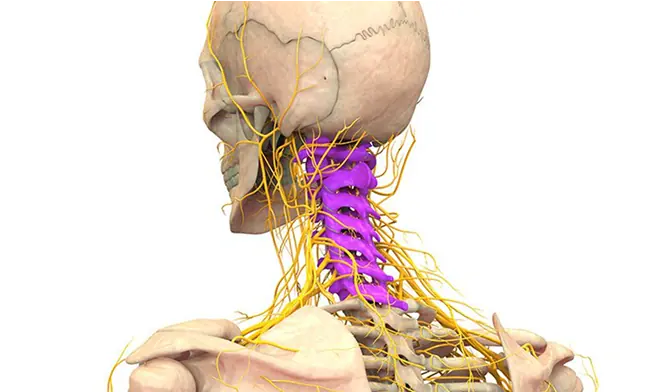
Nerve Blocks
Nerve blocks involve injecting a local anesthetic near the nerves carrying neck pain signals. This provides temporary pain relief and helps identify the exact source of discomfort. They can also reduce muscle tightness and inflammation. Nerve blocks are useful for both diagnosis and ongoing pain relief.

Regenerative Medicine (PRP)
PRP and similar regenerative treatments use the body’s own healing cells to repair injured neck tissues. They help heal cervical discs, ligaments, and joint structures affected by wear or injury. These therapies reduce inflammation and support natural recovery. The goal is long-term pain relief without surgery.

Radiofrequency Ablation
Radiofrequency Ablation is a minimally invasive treatment for long-standing neck pain. It uses controlled heat to block pain signals from specific cervical nerves. The procedure is done on the same day under light sedation. Many patients experience long-lasting pain relief and improved neck movement.

Trigger Point Injections
Trigger point injections treat muscle pain caused by tight knots in the neck and upper back. A small amount of anesthetic or saline is injected directly into the painful area. This helps release muscle tension and ease localized pain. Relief is often immediate and improves overall neck mobility.

Pain Counselling and the Mind-Body Connection
Persistent neck pain affects more than the spine. Chronic pain can disrupt sleep, mood, confidence, focus, and stress levels. Pain counselling helps patients understand pain, reduce fear of movement, and manage stress-related sensitivity so they can stay engaged in recovery and progress steadily.

Why Should You Choose Nivaan for Neck Pain?
Doctor-led diagnosis. One integrated plan. Clear recovery at every stage.
- 36,000+ patients treated
- 4,000+ non-surgical procedures
Physiotherapy and Functional Rehabilitation
CARE THAT FITS HOW YOU ACTUALLY LIVE AND MOVE
Generic exercises often fail because they ignore real-life neck demands like sitting, screen use, driving, and stress. Effective neck rehabilitation focuses on:
Medical Pain Management (When Pain Persists)
TARGETED CARE WHEN REST AND BASIC TREATMENT AREN’T ENOUGH
For persistent or severe neck pain, minimally invasive medical treatments can help calm pain signals and support healing. Common non-surgical options include:
Not sure which treatment fits your pain? A pain specialist can tell you after one assessment.
Symptoms
What Your Neck Is Telling You
Neck pain rarely appears alone. Most people notice a combination of pain, stiffness, headaches, nerve symptoms, and reduced confidence in movement. Recognising symptoms early helps you act before daily life becomes restricted.
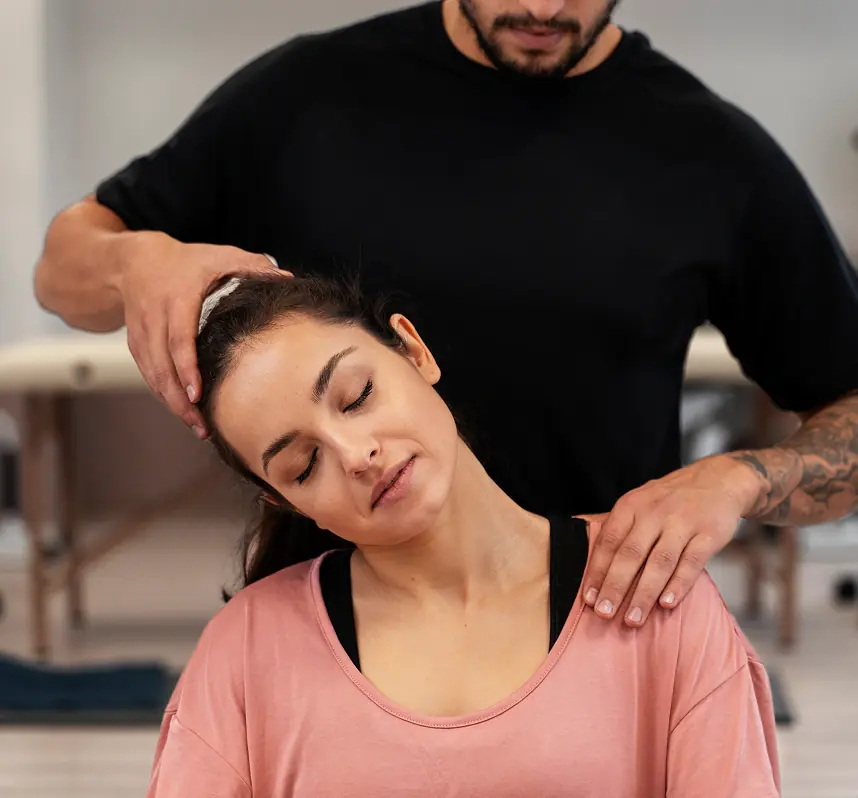
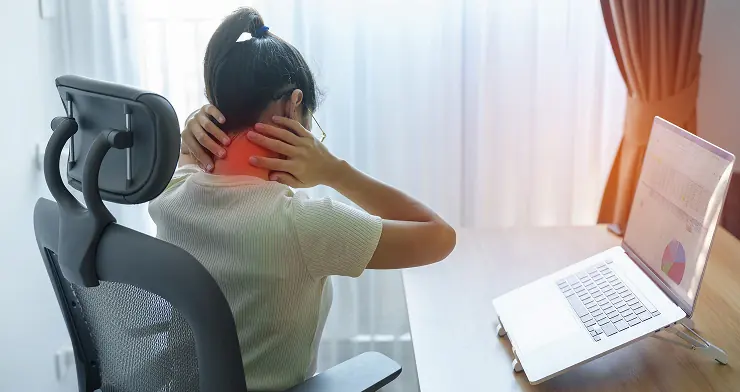
Persistent Neck Pain and Weakness
WHEN MOVEMENT BECOMES DIFFICULT
Pain may appear while turning the head, sitting for long periods, or working at a desk. The neck may feel weak, tight, or easily fatigued, especially with repeated use.

Stiffness and Restricted Neck Movement
THE “LOCKED” NECK FEELING
Stiffness can limit how far the head can turn or tilt. Pain often leads to reduced movement, which further weakens support muscles and increases stiffness over time.
Clarity Beats Waiting
KNOW THE CAUSE. STOP THE CYCLE.
When neck symptoms do not fade, guessing delays recovery. Early clarity explains why pain keeps returning and what to do next without jumping to surgery or masking symptoms with pills.
At Nivaan, we focus on the root cause using a structured, doctor-led approach proven to work.
Not sure which treatment fits your pain? A pain specialist can tell you after one assessment.
Risk Factors
Why Neck Pain Starts and Why It Keeps Returning
Neck pain rarely comes from a single incident. It often develops when daily habits, movement patterns, and tissue health gradually overload the cervical spine. Understanding these risk factors for chronic neck pain explains why pain returns and what needs to change to break the cycle.
Lifestyle and Daily Use Factors
Modern routines often overload the neck without us realising it.
Common contributors include:
- Prolonged desk work with poor neck and upper back posture
- Frequent phone or laptop use with forward head positioning
- Holding screens at low angles for long periods
- Low overall postural and upper-body strength and conditioning
Activity, Work, and Repetitive Load
The neck is highly mobile but easily irritated by repeated strain.
Key risk factors include:
- Prolonged static sitting or screen use at work
- Sudden increases in gym training or load-bearing exercises
- Poor technique during lifting, pushing, or pulling
- Returning to activity before full neck strength and control are restored
Posture, Biomechanics, and Medical Factors
Some factors silently increase neck vulnerability.
These may include:
- Poor head, neck, and upper back alignment
- Weak deep cervical or postural muscles
- Diabetes or thyroid conditions that affect tissue healing
- Previous neck injury that never fully rehabilitated
Chronic neck pain isn’t a sign of weakness. It usually means movement, load, and recovery are out of balance. Correcting that balance is what leads to lasting relief.
Red Flags
When You Should See a Doctor Urgently
Certain neck pain symptoms require immediate medical evaluation and should not be ignored.
Sudden Neck Pain After Injury
PAIN LINKED TO A CLEAR INCIDENT
- A fall, whiplash, or impact to the head or neck
- A sports injury or sudden forceful movement
- Hearing or feeling a “pop” in the neck
Severe Swelling or Visible Deformity
WHEN THE NECK DOES NOT LOOK OR FEEL NORMAL
- Rapid or increasing neck swelling
- Visible abnormal neck alignment or posture
- Increasing tightness with reduced movement
Inability to Move or Support the Head
LOSS OF NECK FUNCTION
- Difficulty turning or holding the head upright
- Sudden weakness or loss of control
- Pain that prevents basic neck movement
Persistent Night Pain or Pain at Rest
PAIN NOT RELIEVED BY POSITION OR REST
- Neck pain that disrupts sleep
- Pain present even without movement
- Increasing discomfort despite rest
Numbness, Tingling, or Arm Weakness
POSSIBLE NERVE INVOLVEMENT
- Tingling or numbness in the arm or hand
- Weakness extending beyond the neck
- Symptoms spreading into the shoulder or arm
Diagnosis
Finding the Real Root Cause
Diagnosing neck pain is about understanding why your neck hurts and what is preventing healing. Accurate diagnosis looks beyond scans and focuses on how your neck moves, loads, and responds during daily life.
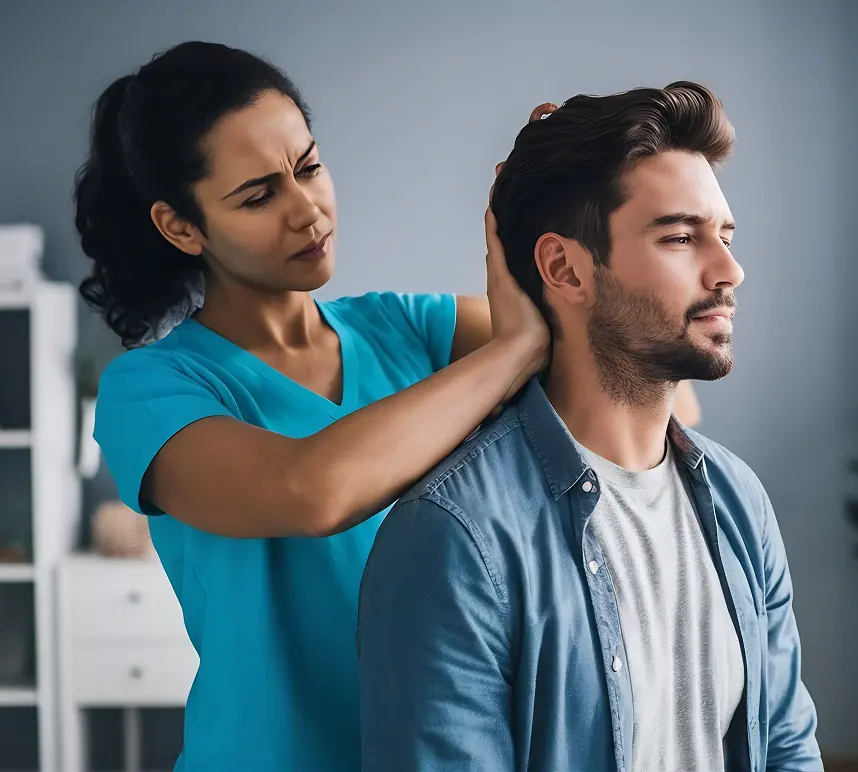
Clinical Evaluation and Movement Assessment
DIAGNOSIS STARTS BY LISTENING, NOT SCANNING
A proper neck pain assessment begins with your story.
DOCTORS LOOK AT:
- When the neck pain started
- Which movements increase or relieve the pain
- Past neck injuries, accidents, or treatments
- How neck pain affects work, focus, and daily activities
FOLLOWED BY A HANDS-ON EXAMINATION ASSESSING:
- Neck posture and head positioning
- Joint movement, flexibility, and range of motion
- Muscle strength and control around the neck
- Neck stability and tolerance to load
This movement-based evaluation often reveals problems that scans alone can miss.
Imaging and Tests (Only When They Add Clarity)
RIGHT TEST. RIGHT TIME.
Not every neck pain needs an MRI or X-ray.
TESTS ARE RECOMMENDED WHEN THEY:
- Confirm a suspected cervical injury
- Rule out serious or structural conditions
- Change the treatment approach
COMMON INVESTIGATIONS INCLUDE:
- X-rays for long-standing neck pain or suspected arthritis
- MRI scans for cervical disc, nerve, or spinal cord involvement
- Blood tests when inflammatory or systemic causes are suspected
Unnecessary scans can confuse recovery more than they help.
A clear diagnosis links symptoms, movement, and the right tests only when needed. This replaces guesswork with a personalised, non-surgical recovery plan. Diagnosis is not a label. It is the direction forward.
From Clarity to Confident Action
Not sure which treatment fits your pain? A pain specialist can tell you after one assessment.
Recovery
What Healing Actually Looks Like
Neck pain recovery does not happen overnight. Stopping treatment too early is one of the most common reasons pain returns. Understanding the recovery process helps set realistic expectations.
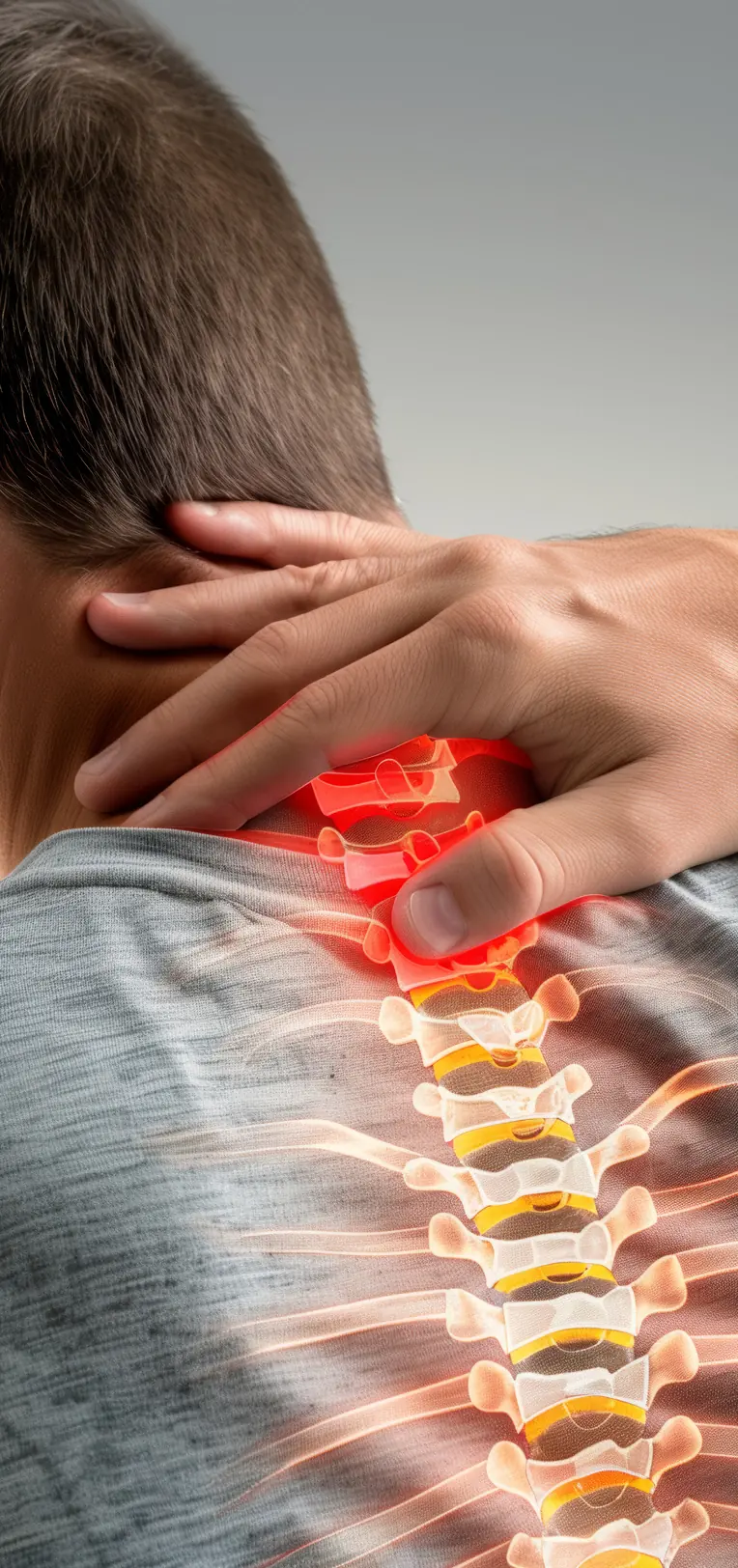

Relief
- Calming neck pain and inflammation
- Reducing muscle and nerve irritation
- Restoring comfortable basic neck movement
This phase creates the foundation for safe recovery.

Correction
- Fixing faulty neck posture and movement patterns
- Addressing muscle imbalance and joint control
- Reducing repeated strain on sensitive neck structures
This is where the real cause of neck pain is corrected.

Strength
- Rebuilding neck strength and endurance
- Improving tolerance to daily demands
- Preparing the neck for work, travel, and long-term resilience
Skipping this phase is one of the main reasons neck pain returns.
WHAT SLOWS RECOVERY
- Returning to activity too quickly
- Chasing quick relief instead of healing
- Skipping rehab sessions
- Ignoring posture and movement patterns
WHAT REAL PROGRESS LOOKS LIKE
- Moving with less pain in daily life
- Feeling more confident with each movement
- Fewer flare-ups over time
- Better control and stability
The Three Phases of Neck Pain Recovery
What Holds You Back vs What Moves You Forward
Neck pain recovery works best when you understand what supports healing and what quietly slows it down. At Nivaan, we guide patients with structured, non-surgical care so recovery remains steady, predictable, and long-lasting.
Start Recovery the Right Way
Book a neck pain evaluation and follow a structured, non-surgical plan designed for lasting results.
Not sure which treatment fits your pain? A pain specialist can tell you after one assessment.
Prevention
How To Protect Your Neck Long-Term
The best way to manage neck pain is to prevent it. You do not need to fear the next flare-up. Small, consistent changes in daily habits can protect your neck from future injury. Focus on building a body that supports neck movement, not just uses it.
Stay Moving (Motion Is Medicine)
NECKS ARE DESIGNED TO MOVE
Your neck relies on regular movement to stay healthy.
HELPFUL HABITS INCLUDE:
- Avoid staying in one position for long periods
- Gently move and stretch the neck throughout the day
- Keep neck movement comfortable but consistent
Regular movement improves joint lubrication and helps prevent stiffness.
Build Muscle Support Around the Neck
STRONG MUSCLES PROTECT JOINTS
Muscles act as natural stabilisers for the neck.
FOCUS ON STRENGTHENING:
- Deep cervical stabilisers
- Upper back and postural muscles
- Core stability muscles
Stronger muscles reduce joint strain and improve neck control.
Move With Awareness
LESS STRAIN, BETTER CONTROL
How you move matters as much as how much you move.
FOCUS ON:
- Maintaining good posture during work and daily activities
- Using proper sitting and screen mechanics
- Allowing adequate recovery between repeated strain
Better movement awareness reduces long-term stress on the neck.
Prevention Is About Confidence
Protecting your neck is not about fear. It is about moving with confidence, strength, and control.
Not sure which treatment fits your pain? A pain specialist can tell you after one assessment.
Specialists
The Team Behind Your Recovery
Neck pain rarely comes from a single structure and it rarely resolves with one type of care. Long-term neck pain recovery works best when specialists work together with one shared goal: identifying the true cause of pain and restoring confident, functional movement.

The Interventional Pain Specialist
Finding the root cause and calming neck pain safely
The interventional pain specialist leads diagnosis and medical decision-making, ensuring treatment is precise and appropriate.
Their role includes:
- Identifying the true source of neck pain, whether from joints, discs, nerves, or surrounding structures
- Deciding when imaging or medical procedures are necessary
- Performing targeted non-surgical interventions when appropriate
This ensures treatment is effective without being excessive.

The Movement Expert (Physiotherapist)
Fixing how the neck moves and handles load
Physiotherapists focus on restoring neck function, not just prescribing exercises.
They help by:
- Correcting posture, sitting habits, and daily movement patterns
- Strengthening the muscles that stabilise and protect the neck
- Preventing repeat injury through improved mechanics and control
Movement correction is essential for long-term neck pain relief.
Why Neck Pain Needs a Team-Based Approach
Fragmented care often leads to confusion and delayed recovery.
Common problems patients face include:
- One doctor focusing only on scans without functional context
- Physiotherapy started without a clear medical diagnosis
- Temporary pain relief that does not address the underlying cause
A coordinated team approach ensures nothing important is missed and recovery stays structured and predictable.
Not sure which treatment fits your pain? A pain specialist can tell you after one assessment.
FAQs
Frequently asked questions
Can neck pain be treated without surgery?
Yes. Most neck pain improves with accurate diagnosis, physiotherapy, and non-surgical treatments such as injections or regenerative therapies. Surgery is usually considered only when conservative care fails.
When should I see a neck interventional pain specialist?
You should see a specialist if neck pain lasts more than a few weeks, keeps returning, limits movement or strength, or follows an injury.
Is physiotherapy effective for neck pain?
Yes. Physiotherapy is one of the most effective treatments for neck pain. It helps restore movement, improve strength, and correct faulty posture and movement patterns.
How long does neck pain take to heal?
Recovery time varies. Mild neck pain may improve in a few weeks, while chronic or injury-related pain may take several weeks to months with structured treatment.
Is it safe to exercise with neck pain?
Often yes, but only with the right guidance. Gentle, controlled exercises help recovery, while pushing through pain or improper movement can worsen symptoms.
Specialists