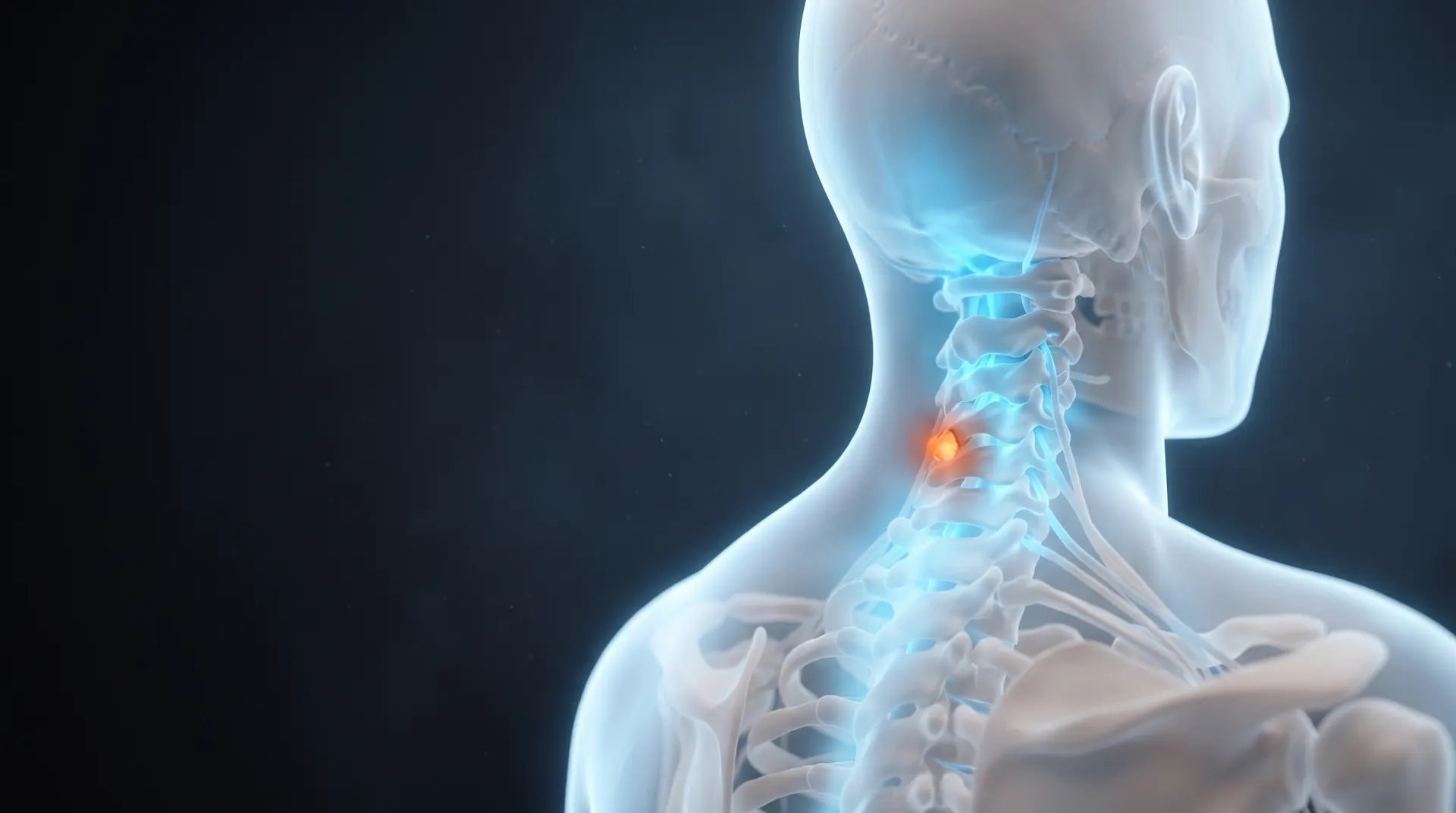
Neck pain · Condition
Neck Muscle Spasm Treatment: Quick Relief for Painful and Stiff Neck Muscles Without Surgery
A neck muscle spasm is a sudden, involuntary tightening of the neck muscles that can cause pain, stiffness, and restricted movement. With timely diagnosis and structured neck muscle spasm treatment, symptoms can improve quickly, and normal neck function can be restored without surgery.
Overview
What is a Neck Muscle Spasm?
A neck muscle spasm occurs when one or more neck muscles contract suddenly and remain tight. This sustained contraction limits blood flow to the muscle and triggers pain, stiffness, and reduced mobility.
Sudden neck muscle spasm may develop after awkward posture, prolonged screen use, stress, or sudden movement. In some cases, muscle irritation builds gradually and leads to stiffness that worsens over time.
Unlike mild neck soreness, a stiff neck muscle spasm can significantly restrict movement and make simple actions uncomfortable. Without appropriate care, spasms may recur or become persistent.
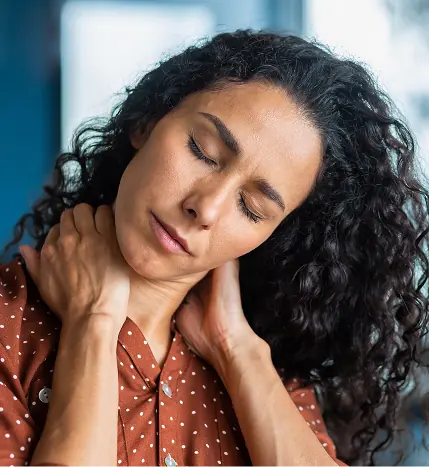
As symptoms increase, neck muscle spasm may interfere with routine activities, including:
- Difficulty turning or bending the neck.
- Pain with prolonged sitting or computer use.
- Discomfort while sleeping or changing positions.
- Headaches linked to neck tension.
- Reduced ability to perform work or daily tasks comfortably.
Without appropriate non-surgical care, these symptoms may continue or return frequently.
Joint
Understanding the Cervical Muscles
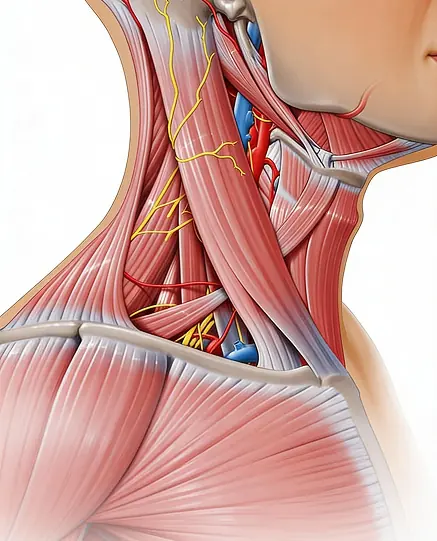
The neck contains multiple muscle groups that support head movement, posture, and stability. These muscles work continuously during daily activities such as sitting, driving, and screen use.
In neck muscle spasm, overworked or irritated muscles tighten involuntarily. This increases pain sensitivity, restricts movement, and may cause neck muscle twitching or cramping sensations.
Stages
Types and Patterns of Neck Muscle Spasms
Neck muscle spasm may vary based on cause and duration, influencing symptoms and recovery needs.
Acute Muscle Spasm:
Sudden onset following awkward movement, poor posture, or strain.
Recurrent or Chronic Spasm:
Repeated episodes related to posture, stress, or underlying neck mechanics.
Understanding the spasm pattern helps guide appropriate treatment planning.
Symptoms
Symptoms of Neck Muscle Spasm
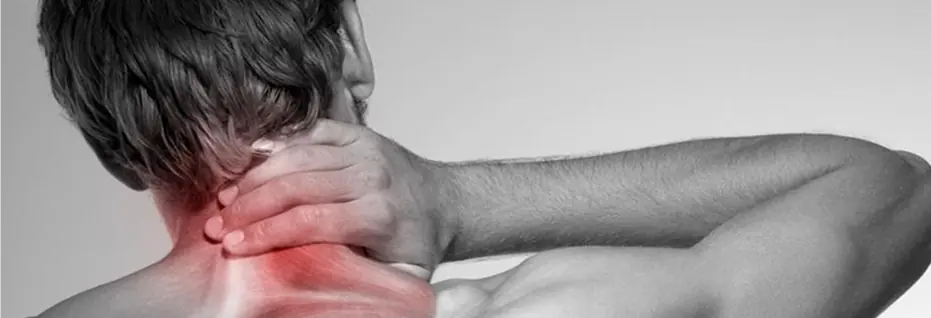
Common symptoms include:
- Sudden or gradual neck pain.
- Stiffness and reduced range of motion.
- Neck muscle twitching or tightness.
- Pain that worsens with movement.
- Headache or shoulder discomfort linked to neck tension.
- Difficulty maintaining comfortable posture.
Symptoms That Need Medical Evaluation
- Neck pain lasting several days without improvement.
- Recurrent or worsening muscle spasms.
- Severe stiffness limiting head movement.
- Pain interfering with sleep or work.
- Associated arm pain or neurological symptoms.
Early evaluation improves outcomes with nonsurgical neck muscle spasm treatment.
Causes and Risk Factors
Causes and Risk Factors
Neck muscle spasm develops due to muscle irritation and overload. Common contributing factors include:

Poor posture during prolonged sitting or screen use:
Sustained forward head positioning overloads neck muscles, leading to fatigue and spasm.

Sudden neck movement or strain:
Abrupt or unprepared movements can trigger protective muscle tightening.

Emotional stress causing muscle tension:
Stress increases involuntary muscle contraction, especially in the neck and shoulders.
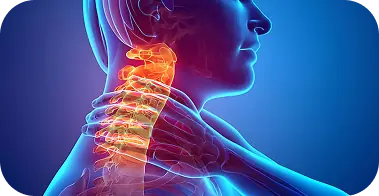
Lack of neck strength or flexibility:
Weak or stiff muscles fatigue faster and are more prone to cramping.

Inadequate ergonomic support:
Poor workstation setup increases strain on neck muscles during daily activities.
In many individuals, spasms develop without a single clear trigger.
Diagnosis
Diagnosis and Assessment
Neck muscle spasm is diagnosed through clinical evaluation.
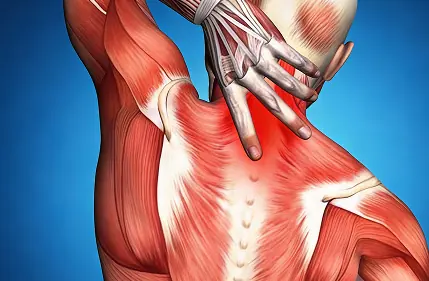
- Assessment of neck movement and muscle tenderness.
- Identification of trigger points and spasm patterns.
- Review of posture, work habits, and recent strain.
- Imaging is usually not required unless other neck conditions are suspected.
Treatments
Advanced Non-Surgical Treatments for Neck Muscle Spasm
Most cases of neck muscle spasm can be managed without surgery. Treatment focuses on relaxing tight muscles, relieving pain, and restoring normal movement.
For patients whose symptoms do not improve with rest, stretching, and basic physiotherapy alone, advanced non-surgical treatments may be recommended. These are selected based on pain severity and recurrence.
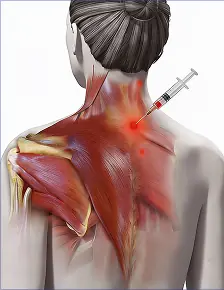
Trigger Point Injections
Trigger point injections release tight muscle knots that cause neck pain and stiffness. A small amount of medication is injected into the affected muscle to relax tension and improve movement. This outpatient procedure helps restore comfort and range of motion.
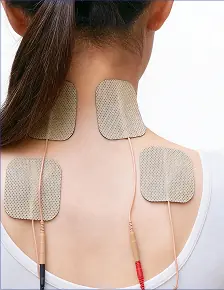
Transcutaneous Electrical Nerve Stimulation (TENS)
TENS uses low-level electrical impulses to reduce pain signals from the neck. It is a non-invasive, drug-free therapy that helps relax muscles and improve comfort. Regular sessions support better neck mobility.

Regenerative Medicine (PRP)
PRP therapy uses the body’s own healing components to support tissue recovery and reduce inflammation. It may be considered in selected cases of recurrent or persistent neck pain. This approach supports healing without surgery.
The Nivaan Way
At Nivaan, all advanced non-surgical interventions are performed with precision and individualized care to ensure safety and effective relief.
When basic care is not enough, advanced non-surgical treatments can help restore comfort with specialist guidance.
Not sure which treatment fits your pain? A pain specialist can tell you after one assessment.
Recovery
Recovery Support: Physiotherapy, Nutrition, and Pain Counselling
Recovery from neck muscle spasm is more effective when medical treatment is supported by structured rehabilitation and daily care.
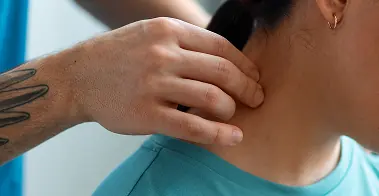
Physiotherapy and rehabilitation
Guided physiotherapy focuses on gentle stretching, posture correction, and muscle strengthening to restore normal neck movement. This approach helps reduce muscle tension and lowers the risk of recurrent spasms during daily activities.

Nutrition support
Nutrition guidance supports muscle recovery and overall tissue health. This is particularly helpful in individuals with frequent muscle fatigue or delayed recovery.

Pain counselling and emotional support
Stress and pain can reinforce muscle tension and prolong discomfort. Pain counselling helps patients manage symptoms, remain engaged with treatment, and maintain realistic recovery expectations.
Together, this integrated support helps patients return to daily activities comfortably.
When to Consult
When to See an Interventional Pain Specialist
You should consult a specialist if:
- Neck spasms persist despite home care.
- Pain or stiffness continues to worsen.
- Neck movement becomes severely limited.
- Symptoms interfere with daily activities or sleep.
Early specialist care improves recovery and reduces recurrence.
Nivaan's Approach
Our Integrated Non-Surgical Care Pathway
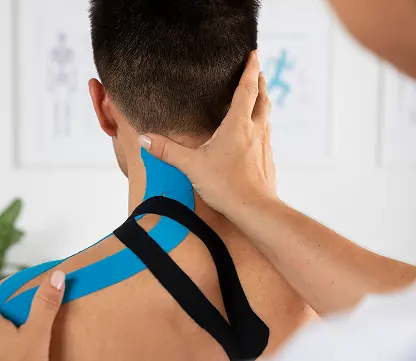
At Nivaan, neck muscle spasm treatment follows a structured approach:
- Comprehensive specialist assessment
- Identification of muscle spasm patterns
- Personalized non-surgical treatment planning
- Guided rehabilitation and recovery monitoring
FAQs
Frequently asked questions
What causes sudden neck muscle spasms?
Poor posture, sudden movement, or stress-related muscle tension are common causes.
Is neck muscle twitching serious?
It is usually benign but should be evaluated if persistent or painful.
Do home remedies for neck spasms help?
Mild cases may improve with rest and heat, but persistent spasms need medical care.
Can neck muscle cramps recur?
Yes. Without posture correction and muscle conditioning, spasms may return.
Is early treatment important for neck muscle spasm?
Yes. Early care helps relieve pain quickly and prevents chronic stiffness.
Book an Appointment for Neck Muscle Spasm Treatment
If neck stiffness or sudden muscle spasm is limiting your daily activities, early treatment for neck muscle spasms can help restore comfort and movement.
Specialists