Neck pain · Condition
Cervical Herniated Disc - Symptoms, Causes & Treatment Options
Neck pain can interfere with everyday activities such as working, driving, sleeping, or turning your head comfortably. Whether caused by muscle strain, cervical disc problems, or nerve compression, timely specialist care can help identify the cause and guide effective, non-surgical treatment to reduce pain and restore movement.
Overview
What Is a Cervical Herniated Disc?
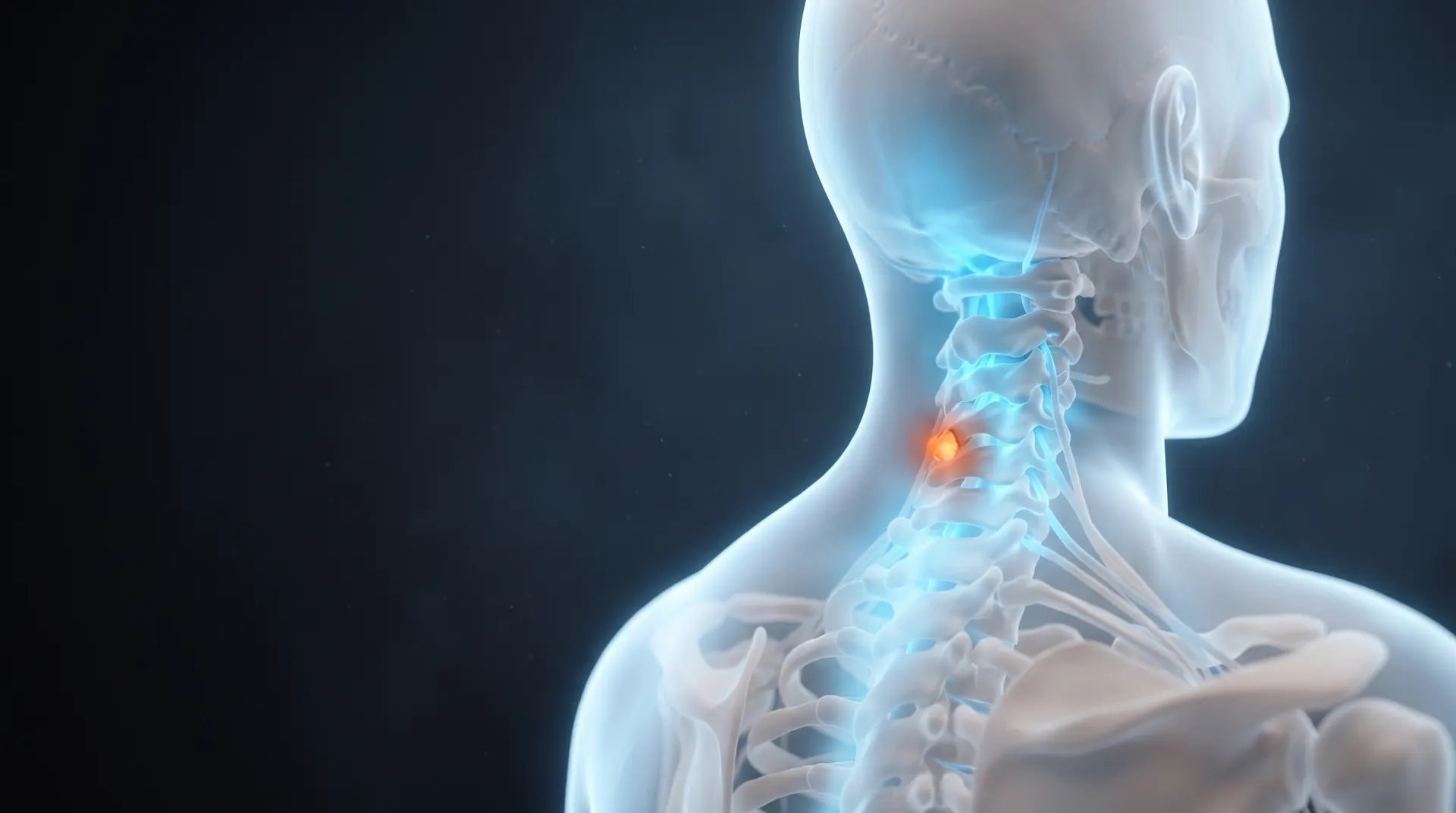
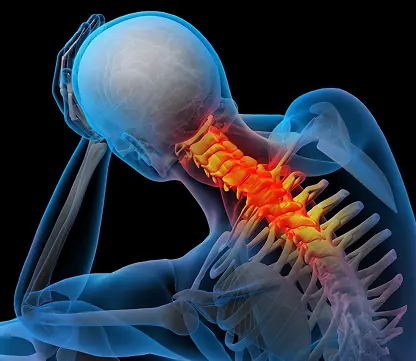
A cervical herniated disc develops when one of the discs between the neck vertebrae loses its normal structure and bulges outward. These discs act as shock absorbers and allow smooth neck movement. When a disc herniates, it may press against surrounding tissues or cervical nerves.
Cervical disc herniation can occur with radiculopathy or without radiculopathy:
- Cervical disc herniation without radiculopathy: Pain and stiffness remain localized to the neck and shoulder region without nerve-related arm symptoms.
- Cervical disc herniation with radiculopathy: Disc material compresses a cervical nerve, causing arm pain, tingling, numbness, or weakness.
Understanding this distinction is essential for choosing the right cervical herniated disc treatment approach.

As symptoms progress, a cervical herniated disc can interfere with routine activities, including:
- Difficulty turning the neck while driving, working, or checking blind spots.
- Neck and arm pain that worsens with prolonged sitting or screen use.
- Sleep disturbance due to neck stiffness, shoulder pain, or arm discomfort.
- Reduced ability to perform work, household tasks, or activities requiring sustained neck posture.
Shoulder
Understanding the Cervical Spine
The cervical spine consists of seven vertebrae, intervertebral discs, facet joints, ligaments, muscles, and cervical nerves that travel from the neck into the arms. These nerves control sensation and strength in the shoulders, arms, and hands.
When disc herniation leads to cervical nerve compression, normal nerve signaling is disrupted. This can result in pain radiating from the neck into the arm, changes in sensation, or reduced grip strength.
Stages
Cervical Herniated Disc Severity Stages
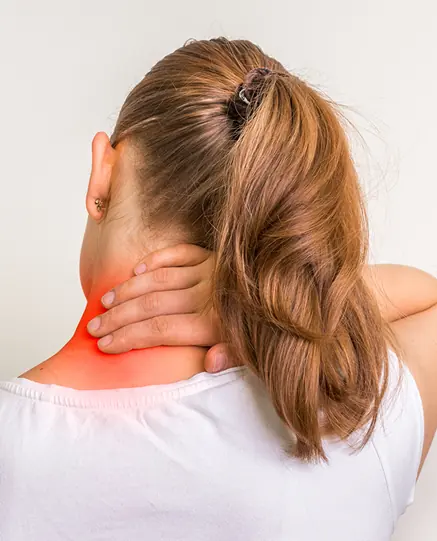
Cervical disc herniation symptoms often progress in stages:
Minor
Occasional neck discomfort or stiffness. Pain is usually activity-related and short-lived.
Mild
Frequent neck pain with reduced flexibility. Symptoms may worsen with prolonged sitting or poor posture.
Moderate
Persistent neck pain with or without arm pain. Cervical radiculopathy symptoms such as tingling or numbness may appear.
Severe
Severe neck pain, significant arm pain due to cervical disc compression, muscle weakness, or functional limitation affecting daily activities.
Symptoms
Cervical Herniated Disc Symptoms
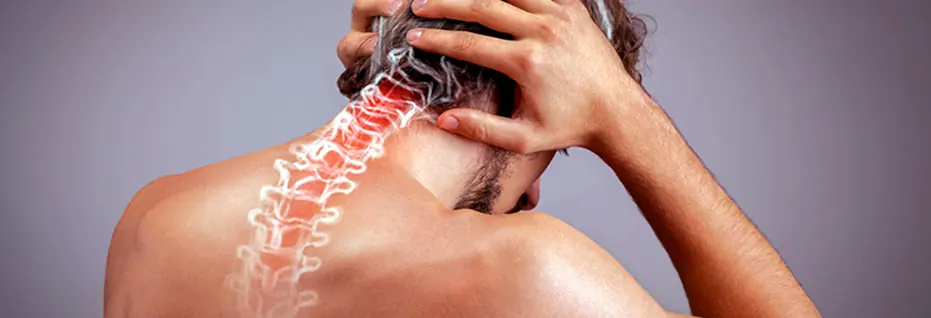
Common symptoms include:
- Neck pain and stiffness
- Reduced neck range of motion
- Shoulder or upper back discomfort
- Arm pain due to cervical disc involvement
- Tingling or numbness in the arm or fingers
- Muscle weakness in the arm or hand
Red-Flag Symptoms That Need Immediate Evaluation
- Progressive arm weakness
- Severe or worsening numbness
- Loss of hand coordination or grip strength
- Pain following trauma or accident
- Symptoms affecting balance or walking
Prompt evaluation protects nerve function and prevents long-term damage.
Causes and Risk Factors
Causes and Risk Factors
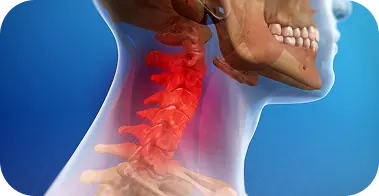
Cervical herniated disc develops when the spinal disc in the neck weakens or ruptures, placing pressure on nearby nerves. Factors that increase risk include:
Age-related disc degeneration:
Natural wear reduces disc flexibility and shock absorption over time.

Poor posture and prolonged screen or desk use:
Sustained forward head positioning increases stress on cervical discs.
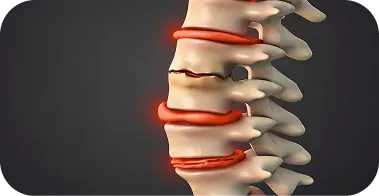
Sudden injury or whiplash:
Abrupt force can cause disc material to bulge or rupture.

Heavy lifting with improper mechanics:
Incorrect lifting techniques overload the cervical spine.
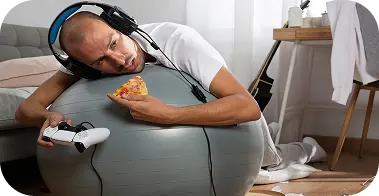
Sedentary lifestyle:
Limited movement weakens spinal support structures.
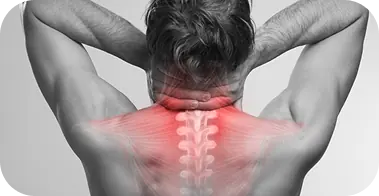
Weak neck and upper back muscles:
Poor muscular support increases disc injury risk.

Smoking:
Reduced blood supply affects disc nutrition and healing capacity.

Previous neck injuries:
Prior trauma increases susceptibility to disc herniation.
Identifying these risk factors is essential for long-term symptom control and prevention of recurrence.
Diagnosis
Diagnosis and Assessment
Diagnosis begins with a detailed clinical examination to assess neck mobility, nerve function, reflexes, and muscle strength.
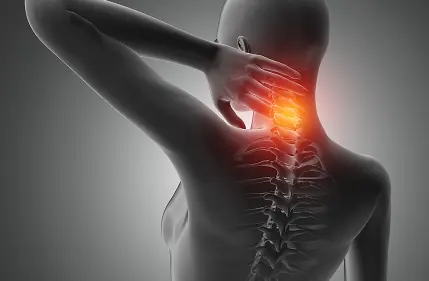
Diagnostic tools may include:
- X-rays to assess spinal alignment
- MRI to confirm disc herniation and cervical nerve compression
- Neurological testing to evaluate radiculopathy severity
Accurate diagnosis helps distinguish cervical disc herniation with radiculopathy from non-radicular neck pain.
Treatments
Advanced Non-Surgical Treatments for Cervical Herniated Disc
Most patients with a cervical herniated disc can be treated effectively without surgery. Non-surgical cervical herniated disc treatment focuses on reducing inflammation, relieving nerve compression, and restoring neck and arm function.
For patients whose symptoms do not improve with rest, medication, and basic physiotherapy alone, advanced non-surgical treatments may be recommended. These options are selected based on symptom severity, presence of radiculopathy, and imaging findings.
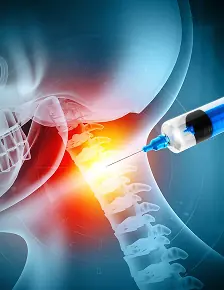
Epidural Steroid Injections
Cervical epidural steroid injections deliver anti-inflammatory medication near compressed nerve roots affected by disc herniation. These injections help reduce swelling and nerve irritation, easing arm pain, tingling, and neck discomfort while supporting rehabilitation.
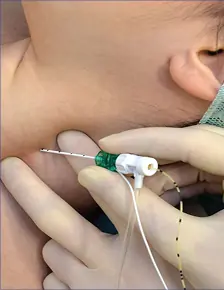
Selective Nerve Blocks
Nerve blocks may be used to target specific cervical nerve roots causing radicular symptoms. They help reduce pain, confirm the pain source, and improve functional recovery without surgery.
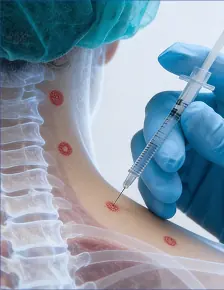
Trigger Point Injections
When muscle spasm and myofascial tightness contribute to pain, trigger point injections help relax active neck and shoulder muscles, improving movement and comfort during recovery.
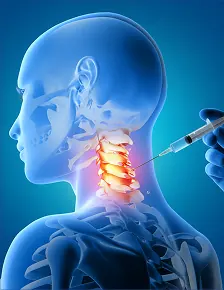
Regenerative Medicine (PRP)
In selected cases, regenerative therapies such as platelet-rich plasma may be considered as an adjunct to standard care. These treatments aim to support tissue healing and reduce inflammation as part of a personalized cervical herniated disc treatment plan.
The Nivaan Way:
At Nivaan, all advanced non-surgical interventions are performed with precision under real-time imaging guidance, such as C-arm fluoroscopy, to ensure accurate targeting, improved safety, and reliable outcomes.
When conservative care alone is not enough, advanced non-surgical treatments can help restore comfort and nerve function with specialist guidance.
Not sure which treatment fits your pain? A pain specialist can tell you after one assessment.
Recovery
Recovery Support: Beyond Pain Relief
Effective recovery extends beyond procedures alone.
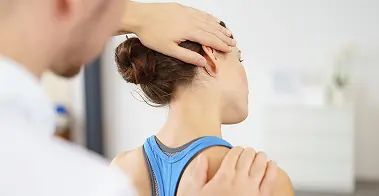
Physiotherapy and Rehabilitation
Physiotherapy focuses on strengthening neck-supporting muscles to improve stability and reduce stress on the cervical discs. Posture correction and controlled mobility exercises help restore movement and prevent stiffness. This approach lowers the risk of symptom recurrence during daily activities.

Nutrition Support
Anti-inflammatory nutrition helps reduce irritation around cervical nerves and supports disc healing. Adequate protein and essential nutrients assist tissue repair. Nutritional guidance is especially helpful for patients with delayed recovery.

Pain Counselling and Education
Chronic neck pain can affect sleep, confidence, and work performance. Pain counselling helps patients understand their condition and overcome fear of movement. Education supports active participation in rehabilitation and long-term recovery.
Together, this integrated support helps patients recover more comfortably and return to daily activities with confidence.
When to Consult
When to See an Interventional Pain Specialist?
You should consult a specialist if:
- Neck pain persists beyond a few weeks
- Arm pain or tingling develops
- Daily activities or sleep are affected
- Symptoms worsen despite rest or medication
- You want to avoid surgery.
Early specialist care improves outcomes in cervical radiculopathy treatment.
Nivaan's Approach
Our Integrated Non-Surgical Care Pathway
Cervical disc herniation care follows a structured pathway:
- Detailed specialist assessment
- Diagnosis-based treatment planning
- Precision non-surgical interventions
- Guided rehabilitation and recovery monitoring

FAQs
Frequently asked questions
Q1. What is the difference between cervical disc herniation with and without radiculopathy?
Radiculopathy involves nerve compression causing arm symptoms, while non-radicular cases are limited to neck pain.
Q2. Can a cervical herniated disc heal without surgery?
Yes. Many patients improve with structured non-surgical cervical herniated disc treatment.
Q3. How long does recovery take?
Recovery varies, but many patients improve over weeks to months with proper care.
Q4. Is arm pain always present in cervical disc herniation?
No. Arm pain occurs only when nerve roots are compressed.
Q5. When is surgery required?
Surgery is considered only if severe nerve deficits or persistent symptoms fail to improve with non-surgical care.
Book a Consultation for Cervical Herniated Disc Treatment
If neck pain or arm pain due to cervical disc compression is limiting your daily life, early non-surgical care may help restore comfort and function.
Specialists