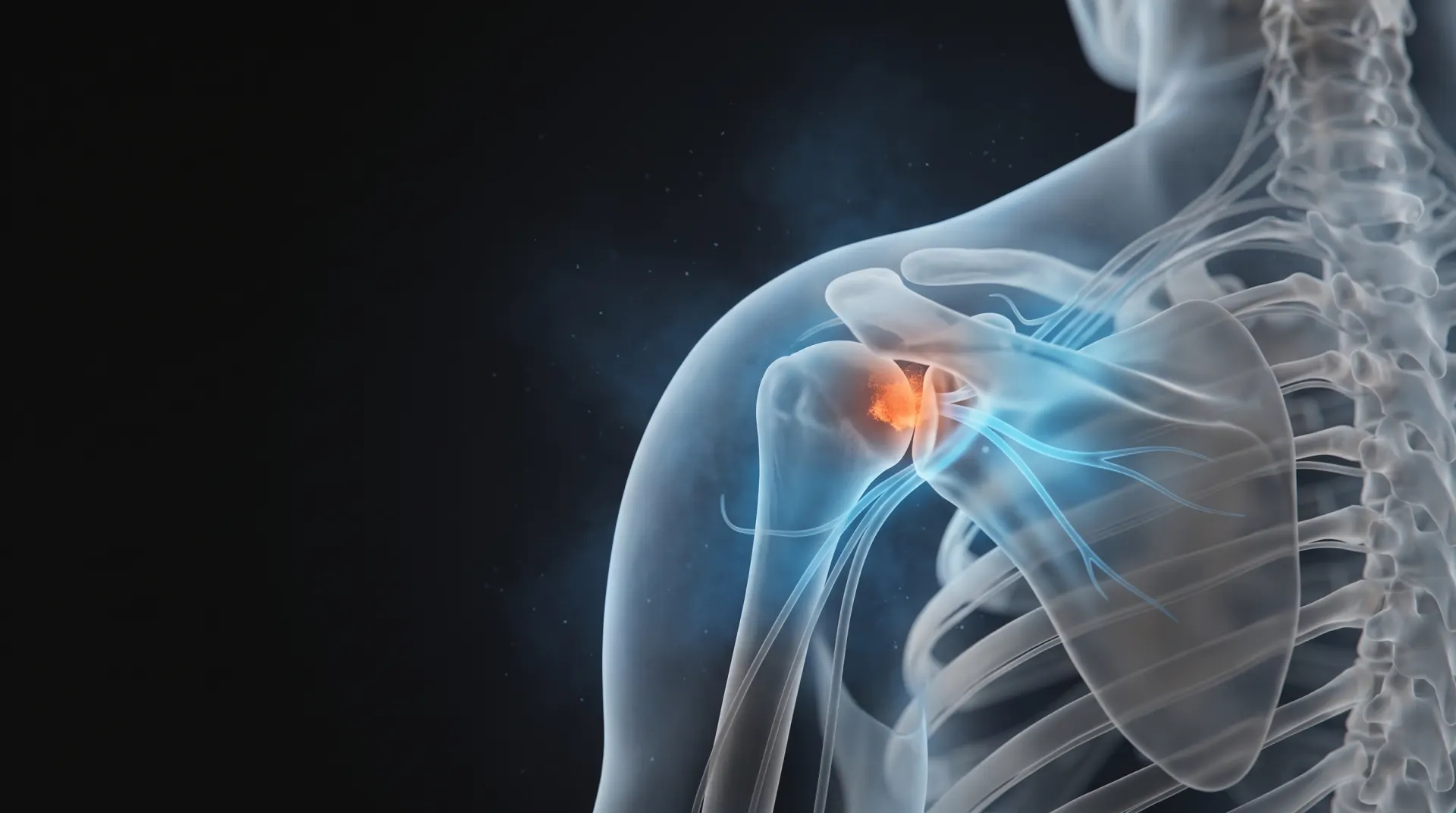
Shoulder pain · Condition
Complete Rotator Cuff Tear – Best Treatment & Recovery Guide
A complete rotator cuff tear occurs when a shoulder tendon is fully torn, causing pain, weakness, and reduced shoulder function. Daily movements and sleep may be affected. With timely diagnosis and a structured rotator cuff complete tear treatment plan, pain can be managed and shoulder function supported in selected cases through non-surgical care.
Overview
What Is a Complete Rotator Cuff Tear?
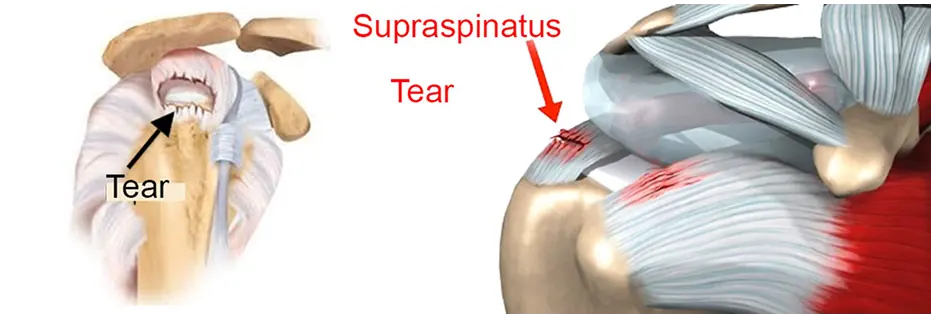
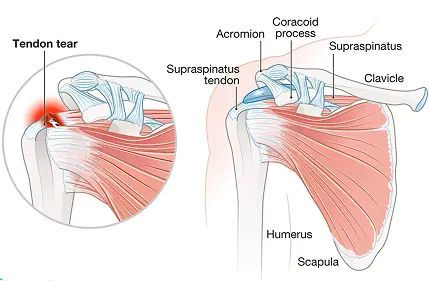
A complete rotator cuff tear refers to a full-thickness tear of one or more rotator cuff tendons. In this condition, the tendon is completely detached or split through its entire thickness, affecting shoulder stability and strength.
Complete tears may occur suddenly following an injury or develop gradually due to long-standing tendon degeneration. Unlike minor shoulder strains, a complete tear often results in marked weakness and difficulty lifting or controlling the arm. Early medical evaluation is important to determine appropriate treatment options.
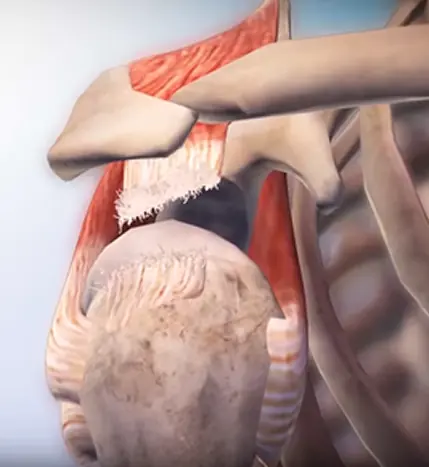
A severe shoulder tendon tear can interfere with routine activities such as:
- Difficulty lifting the arm away from the body.
- Trouble raising the arm overhead.
- Inability to perform tasks requiring shoulder strength.
- Pain while dressing or grooming.
- Sleep disturbance due to shoulder pain.
As weakness progresses, patients may rely more on the opposite arm, leading to reduced independence and confidence in shoulder use.
Shoulder Joint
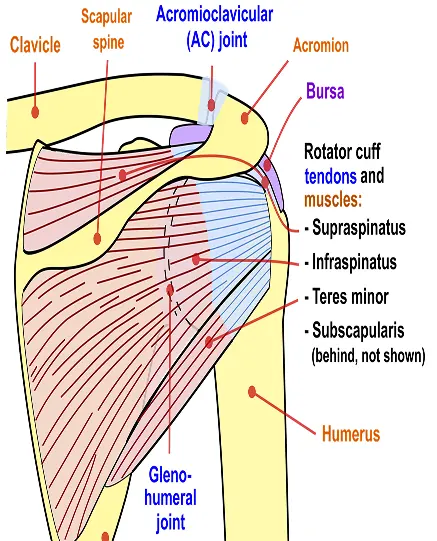
Understanding the Rotator Cuff
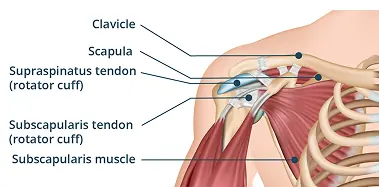
The rotator cuff is a group of muscles and tendons that stabilize the shoulder joint and allow controlled movement of the arm. These tendons keep the shoulder joint aligned during lifting, reaching, and rotation.
In a complete tear, tendon continuity is lost. This disrupts normal shoulder mechanics, leading to pain, loss of strength, and impaired movement. Surrounding muscles may attempt to compensate, often resulting in fatigue and further discomfort.
Stages
Types and Severity of Complete Rotator Cuff Tears
Complete rotator cuff tears can vary based on size and tendon involvement.
Small to Medium Complete Tears
The tendon is fully torn but involves a limited area. Pain and weakness are present, but some shoulder movement may be preserved.
Large or Massive Tears
Multiple tendons or a large portion of them, are involved. The injury significantly reduces shoulder strength and severely limits arm elevation.
Understanding tear severity helps guide treatment decisions and recovery planning.
Symptoms
Symptoms of a Complete Rotator Cuff Tear
Common symptoms include:
- Severe shoulder pain, especially with movement.
- Marked weakness when lifting or rotating the arm.
- Difficulty raising the arm overhead.
- Night pain that interferes with sleep.
- Reduced shoulder range of motion.
Symptoms That Need Medical Evaluation
- Sudden shoulder weakness after injury.
- Persistent pain lasting several weeks.
- Inability to lift the arm.
- Night pain affects sleep and rest.
Causes and Risk Factors
Causes and Risk Factors of Complete Rotator Cuff Tears
Complete rotator cuff tears develop due to tendon failure caused by injury or degeneration. Several factors increase risk.
Age-related tendon degeneration:
Tendons weaken over time, increasing the risk of full-thickness tears.

Acute shoulder injury:
Falls, lifting heavy objects, or sudden force can cause complete tendon rupture.

Repetitive shoulder stress:
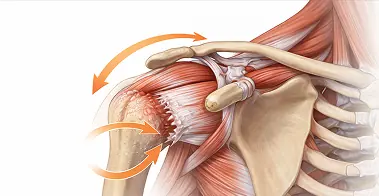
Long-term overuse weakens tendon fibers, making them prone to tearing.

Previous shoulder problems:
Chronic inflammation or partial tears may progress to complete tears.
Poor shoulder mechanics:
Muscle imbalance and altered movement patterns increase tendon strain.
In some patients, complete tears develop gradually without a single traumatic event.
Diagnosis
Diagnosis and Assessment of a Complete Rotator Cuff Tear
Diagnosis involves a detailed clinical evaluation and medical history.
- Assessment of shoulder strength and movement.
- Evaluation of pain patterns and functional limitations.
- Clinical tests to assess rotator cuff integrity.
Imaging and Tests
- MRI to confirm a complete tear and assess tendon retraction.
- Ultrasound may be used for dynamic evaluation in selected cases.
Accurate diagnosis is essential for planning suitable options for rotator cuff repair.
Treatments
Advanced Non-Surgical Treatments for Complete Rotator Cuff Tears
While some complete rotator cuff tears may require surgical consideration, non-surgical treatment can help manage pain and support function in selected patients. Advanced non-surgical options are considered based on symptoms, activity level, and overall health.
Steroid Injections
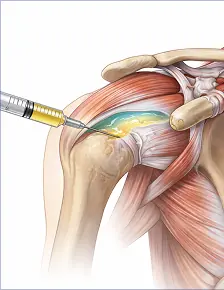
Targeted injections may be used to reduce inflammation and pain around the shoulder, improving comfort and sleep in the short term.
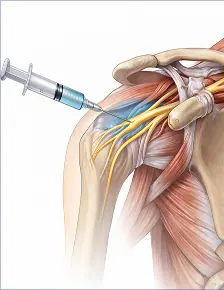
Nerve Blocks
Nerve blocks may help control severe shoulder pain when symptoms significantly interfere with daily activities or rest.
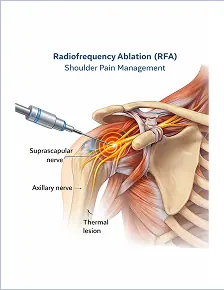
Radiofrequency Ablation (RFA)
RFA may be considered in chronic pain situations to modulate pain-transmitting nerves and improve quality of life when surgery is not suitable.
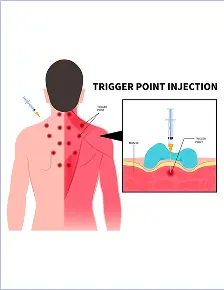
Trigger Point Injections
Trigger point injections help relieve muscle spasm and tension around the shoulder that can worsen pain and restrict movement.
The Nivaan Way
At Nivaan Pain Clinic, advanced non-surgical treatments for complete rotator cuff tears are performed under real-time imaging guidance, such as ultrasound or C-arm fluoroscopy. This ensures accurate targeting, improved safety, and appropriate pain management.
When basic care is not enough, advanced non-surgical treatments can help manage pain and support function with the right guidance.
Not sure which treatment fits your pain? A pain specialist can tell you after one assessment.
Recovery
Recovery Support: Physiotherapy, Nutrition, and Pain Counselling
Structured rehabilitation and daily care enhance the effectiveness of recovery following a complete rotator cuff tear.

Physiotherapy and rehabilitation
Guided physiotherapy focuses on maintaining shoulder mobility, improving surrounding muscle strength, and supporting safe shoulder use within functional limits.

Nutrition support
Nutrition guidance supports tissue health, healing, and overall recovery, particularly during prolonged rehabilitation.

Pain counselling and emotional support
Ongoing shoulder pain and functional limitation can affect sleep and emotional well-being. Pain counseling helps patients cope with discomfort and remain engaged with recovery.
Together, this integrated approach supports improved comfort and daily function.
When to consult
When to See an Interventional Pain Specialist?
You should consult a specialist if:
- Shoulder pain persists for several weeks.
- Weakness is severe or worsening.
- Night pain regularly affects sleep.
- Shoulder movement becomes increasingly limited.
- Symptoms do not improve with basic care.
Early specialist care helps guide appropriate treatment decisions.

Nivaan's Approach
Our Integrated Non-Surgical Care Pathway
At Nivaan Pain Clinic, complete rotator cuff tear care follows a structured approach:
- Comprehensive specialist assessment.
- Accurate diagnosis and severity evaluation.
- Personalized non-surgical treatment planning.
- Guided rehabilitation and recovery monitoring.
FAQs
Frequently asked questions
Can a complete rotator cuff tear heal without surgery?
Some patients manage symptoms with non-surgical care, depending on tear size and functional needs.
Is surgery always required for a complete tear?
No. Treatment decisions depend on age, activity level, symptoms, and overall health.
How long does recovery take?
Recovery timelines vary depending on the treatment approach and rehabilitation.
Is physiotherapy beneficial after a complete tear?
Yes. Rotator cuff rehab helps maintain movement and support shoulder function.
Is early evaluation important?
Yes. Early assessment helps guide appropriate treatment and recovery planning.
Book an Appointment for Complete Rotator Cuff Tear Treatment
If severe shoulder pain or weakness is limiting your daily activities, early rotator cuff complete tear treatment can help manage pain and support shoulder function.
Specialists