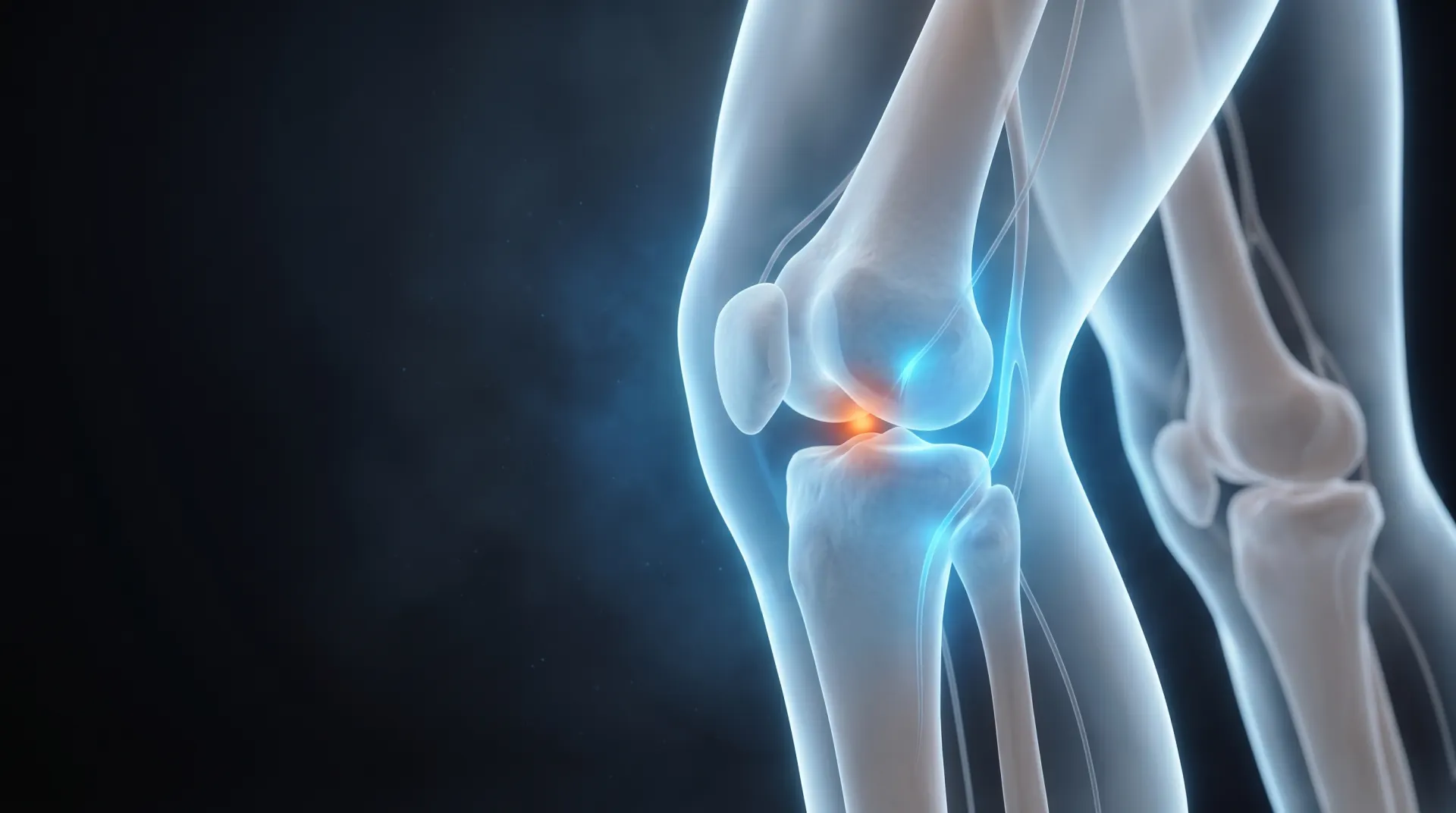
Knee pain · Treatment
PRP Injection for Knee Pain Stop suppressing pain and start repairing the knee from within.
PRP (Platelet-Rich Plasma) uses your body’s own growth factors to repair damaged knee tissues, reduce inflammation, and restore movement, without general anaesthesia, hospitalisation, or implants.
Problem Awareness
Why Knee Pain Keeps Coming Back
Traditional treatments like painkillers, braces, or generic physiotherapy often only provide temporary relief because they don’t fix what’s damaged inside the knee.
PRP is different. It helps the knee heal, not just feel numb.
We start by diagnosing why your knee hurts. Is it because of arthritis, cartilage wear, ligament strains, or meniscus tears? And then build a treatment plan so results last.
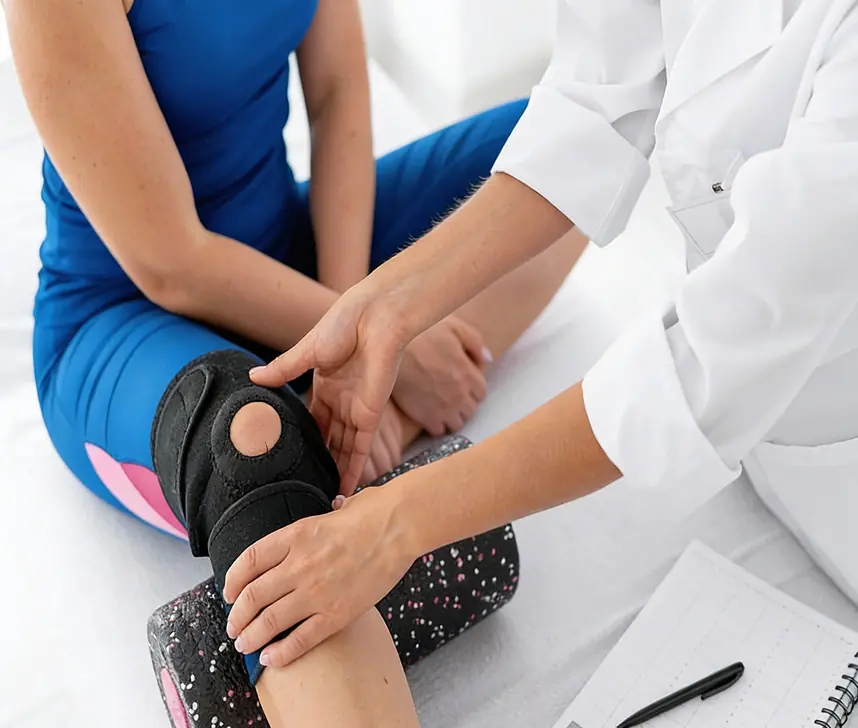
Not sure which treatment fits your pain? A pain specialist can tell you after one assessment.
Overview
A Non-Surgical Treatment That Triggers Natural Tissue Repair
Target Audience
Who Needs PRP Injection for Knee Pain
Active individuals. Professionals on their feet. Patients who refuse to let knee pain define their limits.
PRP is for people stuck between temporary relief and the threat of surgery.
For those who’ve tried the pills, the braces, the resting… and still wake up with the same pain staring back. For people who want more than short-term solutions, they want their life back.
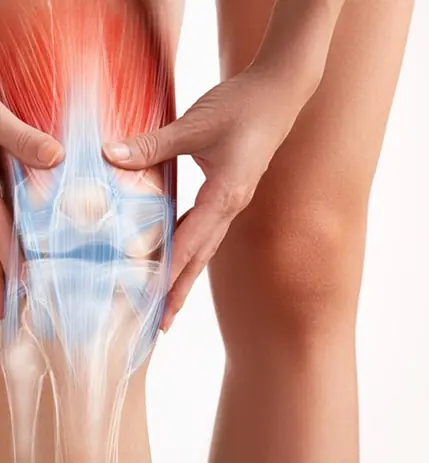
How it Works
How Does PRP Injection for Knee Pain Work
A step-by-step path to natural healing and pain-free movement
We don’t guess. We diagnose, target, and rebuild through a proven protocol that guides your knee from pain to performance.
This precise approach removes the uncertainty of “trial-and-error” treatments.
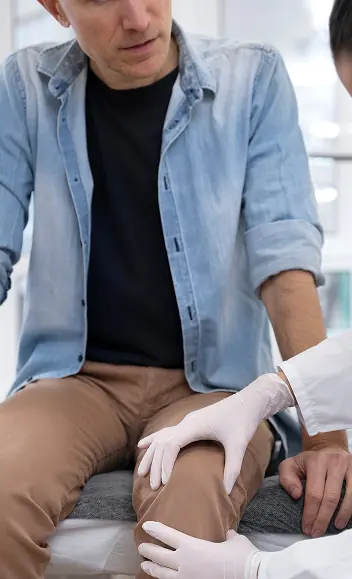
Not sure which treatment fits your pain? A pain specialist can tell you after one assessment.
Benefits
Key Benefits of PRP Injection for Knee Pain
Repair. Relief. Return.
PRP is not about “feeling better for now”.
It is about healing better for the future.
Where traditional treatments mute the pain, PRP changes the conversation from suppression to restoration, from damage control to tissue repair.
Life after knee pain doesn’t have to be imagined. It can be designed
Why Nivaan
Why Choose Nivaan for Non-Surgical Knee Pain Treatment?
World-class expertise meets advanced technology
Standard knee treatments often fail because they are fragmented. You might see a doctor for pills and a separate physiotherapist for exercises, with no coordination between them.

Multidisciplinary Power
You don’t just get a doctor. You get a dedicated team of pain specialists, physiotherapists, nutritionists, pain counsellors and care managers working together on your specific case.

Precision Technology
We use advanced, image-guided techniques to ensure every procedure targets the exact source of your pain with zero guesswork.

Holistic Recovery
We go beyond the joint. We address lifestyle factors like nutrition and posture to ensure the pain stays away for good.
Recovery
Recovery and Aftercare for Non-Surgical Knee Pain Treatment
Getting back to daily life without long downtime
One of the biggest concerns patients have is downtime.
PRP knee pain treatment is designed to fit into real life and not interrupt it.

Same-Day Return
No hospital stay. You return home the same day and recover in your own space. No bed rest required.

Back to Daily Life Quickly
Most patients resume light activities like desk work or walking within 24–48 hours.

Guided and No Guesswork Care
Your recovery is actively monitored by a dedicated care manager. Physiotherapy can be done at our clinics or at home through our hybrid care model. No rushing. No setbacks.
Non-surgical knee pain treatment focuses on lasting improvement, not temporary relief.
While some patients feel early changes, healing follows a predictable pattern.
Typical Recovery Timeline
Every knee is different. Recovery speed can therefore also be different. The real goal of treatment isn’t about a quick reset that fades. It’s about stable, long-term improvement.
Safety and risk
Safety Profile of Non-Surgical Knee Pain Treatment
Evidence-based and Low Risk
Safety is a common concern, especially when pain has been ongoing for months. PRP injections are designed to be a non-surgical knee pain treatment and significantly safer than surgical options when performed by trained specialists.
Why this treatment is considered safe:
- It is non-surgical, with no cuts, stitches, or implants
- Performed using image-guided precision, reducing the risk of error
- Conducted by experienced interventional pain specialists following evidence-based protocols
- Requires only local anesthesia or light sedation
Possible temporary side effects:
- Temporary soreness or swelling at the treatment site
- Mild stiffness for a short period
- Rare reactions that are carefully screened for during evaluation
This is why a thorough clinical assessment is essential before proceeding. At Nivaan, patient selection, precision, and monitoring ensure safety remains a top priority at every step
FAQs
Frequently asked questions
What is a PRP injection and how does it help knee pain?
A PRP (Platelet-Rich Plasma) injection is a non-surgical regenerative treatment that uses concentrated platelets from your own blood to repair knee tissues, reduce inflammation, and restore movement.
It supports healing for conditions like osteoarthritis, ligament strain, cartilage degeneration, meniscus irritation, and chronic tendon pain.
This helps the knee heal from the inside, rather than relying on painkillers that only mask symptoms.
PRP Injection for Knee Pain
How long does PRP take to work?
Most patients begin feeling improvement between 2–6 weeks as inflammation decreases and tissue repair activates.
Maximum benefit is typically seen between 8–12 weeks, especially when combined with guided physiotherapy and strength restoration. Healing continues to progress for months after the injection.
Every knee heals differently — your timeline depends on severity, lifestyle, age, and adherence to rehab.
PRP Injection for Knee Pain
How long do PRP results last?
Results vary, but many patients experience relief and improved mobility for 6–12 months or longer.
If the underlying mechanics are strengthened through rehab, results may last even longer and delay or avoid the need for surgery. Periodic booster sessions can extend progress based on clinical evaluation. (SEO: longevity of PRP therapy results)
Is PRP painful?
Most people report only mild pressure or discomfort during the injection.
Local anaesthesia or light sedation is used to ensure comfort, and the procedure takes 30–60 minutes as a day-care treatment. Temporary soreness for 24–72 hours is normal and indicates healing activation. (SEO: is PRP injection painful?)
PRP Injection for Knee Pain
Is PRP safe?
Yes — PRP is an evidence-based, low-risk, non-surgical treatment.
It uses your own blood, so risk of allergic reaction or rejection is extremely low.
Performed under image guidance and by trained specialists, PRP avoids general anaesthesia, implants, stitches, or hospitalisation.
Temporary side effects may include soreness, swelling, or stiffness. (SEO: PRP injection risks and safety)
PRP Injection for Knee Pain
Can PRP help me avoid knee surgery?
In many cases, yes.
By reducing inflammation, repairing tissue micro-damage, and improving joint stability, PRP can postpone or prevent the need for knee replacement or arthroscopy — especially when started before advanced degeneration.
However, late-stage bone-on-bone arthritis may still require surgical intervention. A clinical evaluation will determine suitability. (SEO: PRP vs surgery for knee pain)
Who is a good candidate for PRP therapy?
Ideal candidates include people with:
- Early to moderate osteoarthritis
- Tendon or ligament injuries
- Meniscus irritation or microtears
- Recurrent swelling or stiffness
- Pain returning after rest, physio, or medication
- Desire to avoid surgery or long downtime
A clinical assessment is required to confirm eligibility. (SEO: who should get PRP for knee pain)
Can PRP be combined with physiotherapy?
Yes — and it should.
PRP activates the biology, physiotherapy guides the mechanics.
Combining both gives significantly better outcomes than either alone, helps prevent recurrence, and stabilises results for the long-term. (SEO: PRP and physiotherapy together)
How much does PRP cost?
Costs depend on:
- Severity of the knee condition
- Number of sessions recommended
- Level of image-guided precision
- Rehab and monitoring requirements
A personalised quote is provided after assessment so you pay for what you genuinely need — not a one-size-fits-all package. (SEO: cost of PRP knee treatment)
Ready for a Knee That Feels Like Yours Again?
Living with knee pain can slowly shrink your world. But it doesn’t have to stay that way. PRP injection for knee pain is designed to help you move freely again, without surgery, without long recovery, and without relying on painkillers as a lifestyle. At Nivaan, your treatment begins with clarity, not commitment. Your path to recovery starts with a single, expert-led conversation where we assess what’s truly causing your pain and map out how PRP can help repair it.
Specialists