Knee pain · Condition
ACL Tear Treatment: Knee Stability Restoration Without Surgery
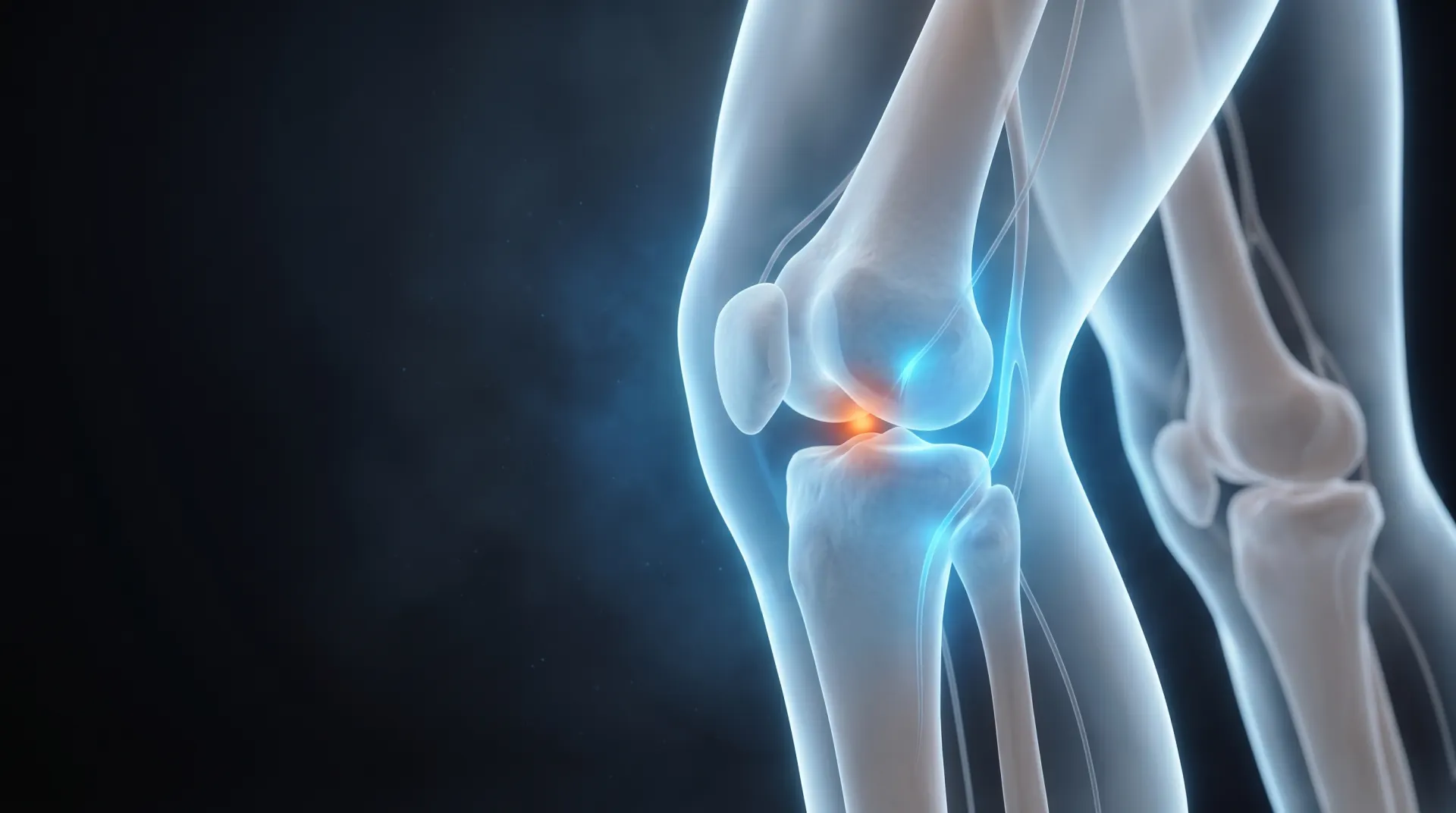
An ACL tear is an injury to the Anterior Cruciate Ligament, a key stabilizing ligament in the knee that controls forward motion and rotational stability. ACL injuries occur due to sudden force, twisting motion, or trauma, leading to pain, swelling, and difficulty bearing weight. With timely diagnosis and structured ACL tear treatment, pain can be reduced and knee stability can be restored, helping patients return to movement confidently.
Overview
What is an ACL Tear?
An ACL tear occurs when the ligament fibers are overstretched or ruptured. The ACL prevents the shinbone from moving excessively forward and supports controlled knee motion during walking, bending, and direction change. When the ligament is damaged, knee mechanics become unstable.
ACL tears are classified as:
- Partial ACL tear – Fibers are damaged but still partially intact. Knee stability is reduced under load or twisting.
- Complete ACL tear – Ligament is fully torn, resulting in loss of structural support and recurrent instability during movement.
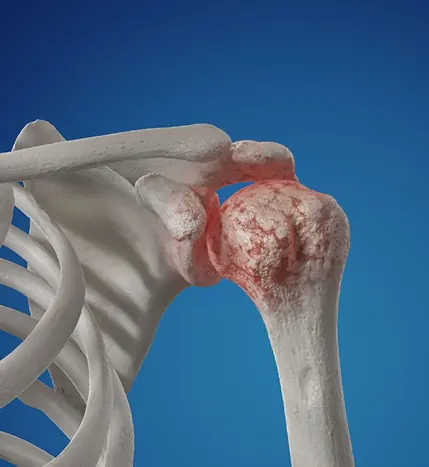
Also known as ACL injury, ACL rupture, or ACL insufficiency, this condition may affect daily mobility, exercise tolerance, and long-term joint health.
As instability increases, ACL tears can interfere with routine activities, including:
- Difficulty changing direction or walking on uneven surfaces
- Pain or giving-way sensation while descending stairs
- Swelling after activity or prolonged standing
- Reduced confidence in weight-bearing or sport
Without appropriate non-surgical ACL tear treatment, symptoms may persist for several months.
Joint
Understanding the Knee Joint
The ACL lies at the center of the knee, connecting the femur to the tibia. It works together with the PCL, MCL, LCL, meniscus, and surrounding muscles to maintain stability. When the ACL is torn, joint control reduces, leading to abnormal friction and stress on surrounding cartilage and meniscus.
ACL tear severity determines healing potential and treatment planning. Early diagnosis helps protect surrounding joint structures and prevents progressive instability.
Stages
ACL Tear Grades (Severity Levels)
ACL tears are classified based on fiber damage and function:

Minor (Grade I)
Ligament is overstretched but intact. Mild pain and swelling appear.
Moderate (Grade II / Partial Tear)
Fibers are partially torn. Instability occurs with rotation or direction change.
Severe (Grade III / Complete Tear)
Ligament is fully ruptured. Stability loss is significant, and the knee may buckle during activity.
Understanding ACL tear stages helps guide structured treatment and ACL injury recovery planning.
Symptoms
Symptoms of an ACL Tear
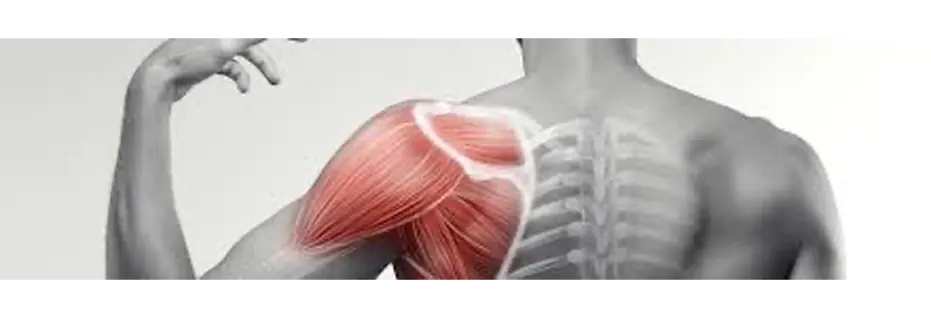
Common symptoms include:
- A popping sound at the time of injury
- Pain and swelling developing within hours
- Difficulty bearing weight or bending the knee
- Feeling of instability or knee “giving way”
- Reduced range of motion and stiffness
- Difficulty pivoting, squatting, or jumping
Symptoms That Need Medical Evaluation
- Knee collapses or gives out during activity
- Inability to stand or walk without pain
- Sharp pain with swelling after twisting injury
- Difficulty straightening the knee due to blockage
- Persistent instability after mild physical activity
Causes and Risk Factors
Causes and Risk Factors
An ACL tear is caused by sudden mechanical overload or trauma to the knee ligament. Factors that increase risk include:

Sudden change in direction or pivoting during movement:
Rapid rotation or cutting actions place stress on the ACL and may cause tearing.
Landing awkwardly from a jump:
High-impact or poorly controlled landings create excessive force through the knee joint.
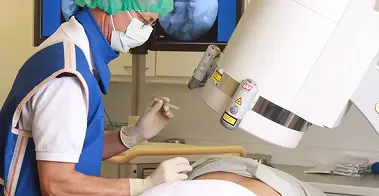
Direct trauma to the knee during impact or accidents:
Contact injuries, such as road accidents or collision sports, can disrupt ligament fibers.
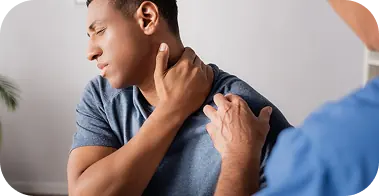
Muscle imbalance or weak neuromuscular control:
Limited strength or delayed response of stabilizing muscles reduces joint protection.
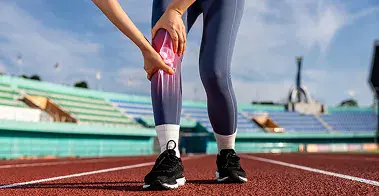
Previous knee injury or ligament laxity:
Prior ligament damage decreases stability, increasing vulnerability to re-injury.
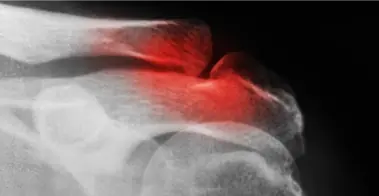
High-intensity sports participation:
Football, basketball, hockey, skiing, and similar sports involve motions that raise ACL injury risk.
In many patients, ACL tears occur suddenly during activity rather than from gradual onset.
Diagnosis
Diagnosis & Assessment
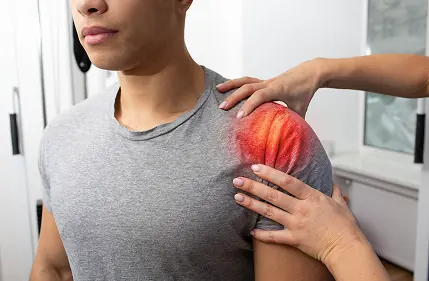
ACL tears are diagnosed using clinical examination and confirmatory imaging.
- Assessment of ligament stability with special tests
- Swelling, pain location, and motion restriction evaluation
- Lachman, Anterior Drawer, and Pivot Shift tests
- MRI to confirm partial or complete ACL tear grading
- X-rays may be recommended to rule out fractures
Diagnosis guides whether conservative care or further intervention is required.
Treatments
Advanced Non-Surgical Treatments for ACL Tear
Most partial ACL tears and selected complete ligament injuries can be managed without surgery depending on patient lifestyle and functional stability. Non-surgical ACL tear treatment focuses on restoring muscular support, improving neuromuscular control, and optimizing joint mechanics.
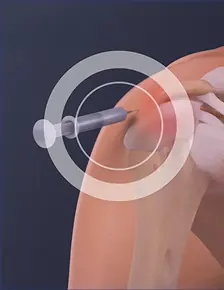
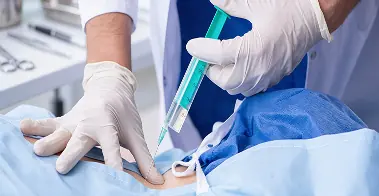
Image-Guided Injections
Image-guided injections help reduce inflammation and pain around the knee following an ACL tear. This improves comfort and allows patients to participate more effectively in rehabilitation and movement training.
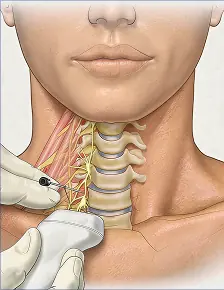
Regenerative Medicine (PRP Therapy)
In selected cases, PRP therapy may support ligament healing by promoting collagen activity within the injured ACL. It is used cautiously based on tear severity, stability, and overall knee function.

Neuromuscular Stability Training
This focused training improves muscle coordination, balance, and joint control to compensate for ligament laxity. It helps restore confidence during walking, pivoting, and functional movements.
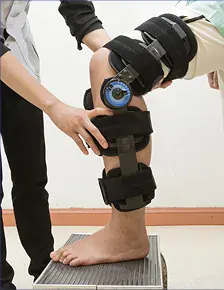
Bracing & Offloading Programmes
Functional knee braces provide external stability during activity and protect healing tissue. Offloading strategies reduce excessive strain on the ACL while rehabilitation progresses.
The Nivaan Way
At Nivaan Pain Clinic, all advanced non-surgical interventions are performed with precision under real-time imaging guidance, such as C-arm fluoroscopy or ultrasound, to ensure accurate targeting, improved safety, and superior outcomes.
When basic care is not enough, advanced non-surgical treatments can help restore knee stability with the right guidance.
Not sure which treatment fits your pain? A pain specialist can tell you after one assessment.
Recovery
Recovery Support: Physiotherapy, Nutrition, and Pain Counselling
Recovery from an ACL tear is more effective when medical treatment is complemented by structured care.

Physiotherapy and Rehabilitation
Strengthening, proprioceptive control, flexibility, and gait retraining programs support joint protection and build neuromuscular resilience.

Nutrition Support
Anti-inflammatory guidance and protein adequacy support ligament healing and muscle retention during recovery.

Pain Counselling and Emotional Support
Addresses confidence loss, movement fear, and mental barriers to support a positive recovery mindset.
Together, these components help patients return to daily activity, exercise, and sport with improved control.
When to Consult
When to See an Interventional Pain Specialist?
You should consult a specialist if:
- Pain continues for several weeks
- Knee feels unstable or frequently “gives way”
- Movement limitation affects daily life or sport
- You want non-surgical solutions for ACL tear recovery
- MRI confirms a partial or complete ACL tear
Early specialist guidance improves knee stability and supports long-term function.
Approach
Our Integrated Non-Surgical Care Pathway
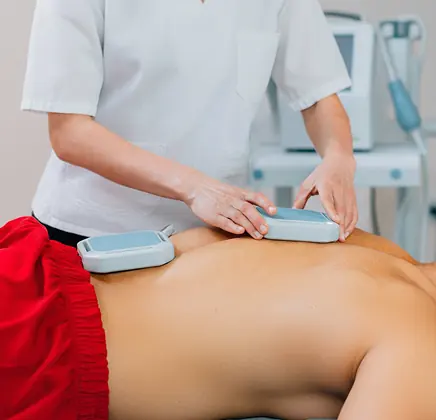
At Nivaan Pain Clinic, ACL tear treatment follows a structured approach:
- Comprehensive specialist assessment
- Accurate diagnosis and ligament grading
- Personalized non-surgical treatment planning
- Guided physiotherapy and recovery monitoring
FAQs
Frequently asked questions
Can ACL tears be treated without surgery?
Yes. Many partial tears and certain complete tears can be managed non-surgically depending on lifestyle and stability needs.
How long does ACL injury recovery take?
Recovery timelines vary but improvement is often seen over weeks to months with guided rehabilitation.
Is exercise safe with an ACL tear?
Yes, when supervised and focused on controlled strengthening.
Do all ACL tears require MRI?
MRI is recommended to confirm severity and guide treatment planning.
Is early treatment important?
Yes. Early care prevents instability from worsening and protects the joint from further damage.
Book an Appointment for ACL Tear Treatment
If knee pain, instability, or a suspected ligament injury is limiting movement, early ACL tear treatment can help restore strength and confidence.
Specialists