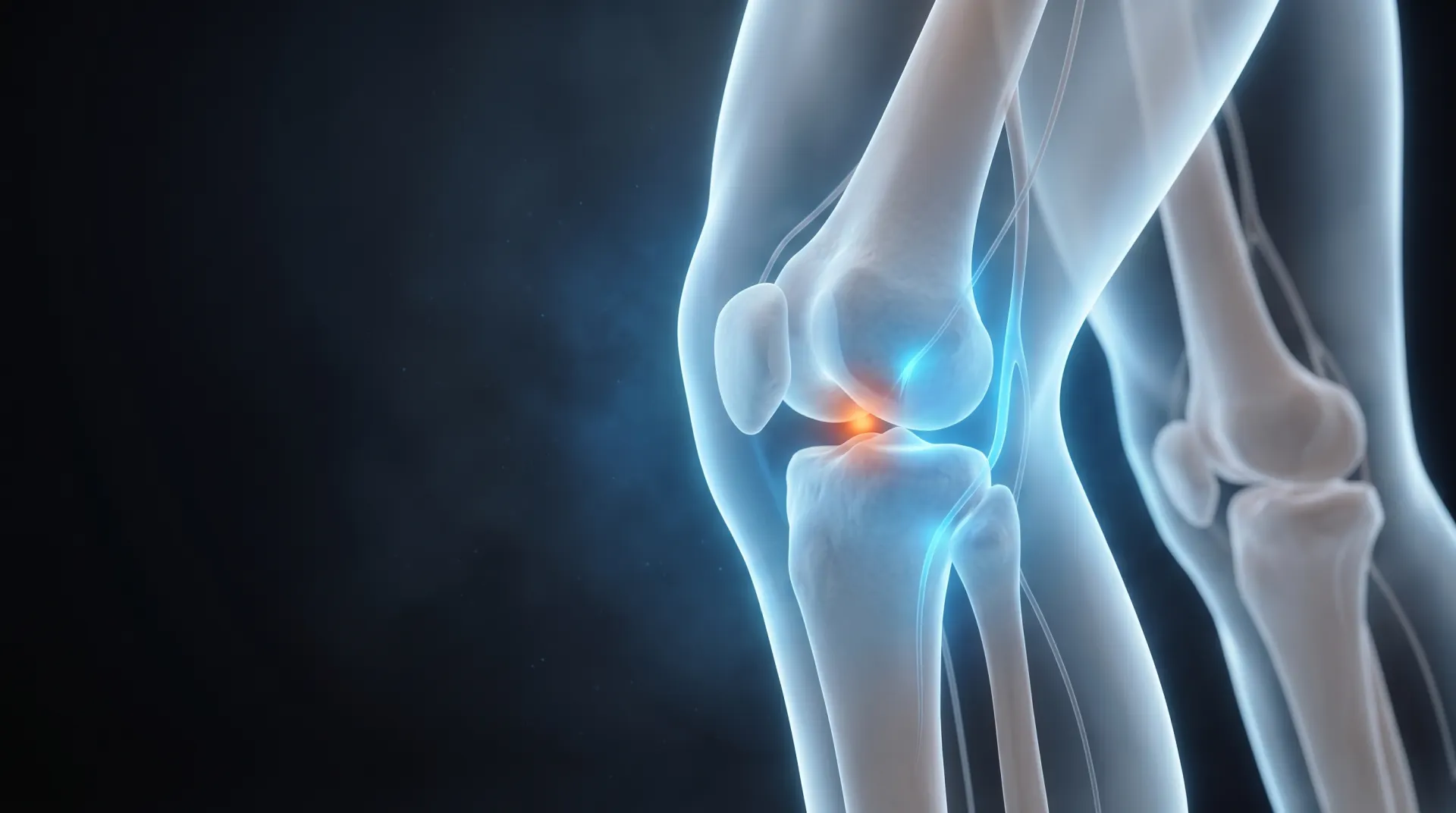
Knee pain · Condition
Chondromalacia Patella Treatment: Knee Pain Relief Without Surgery
Chondromalacia Patella is a condition where the cartilage underneath the kneecap softens, becomes irritated, or begins to break down. This leads to knee pain, grinding sensations, and discomfort when bending or bearing weight. With timely diagnosis and structured non-surgical treatment, discomfort can be reduced and knee function restored.
Overview
What is Chondromalacia Patella?
Chondromalacia Patella refers to damage or deterioration of the cartilage on the back surface of the patella (kneecap). This cartilage usually glides smoothly within the femoral groove during movement, but when it becomes inflamed or worn, friction increases and pain develops.
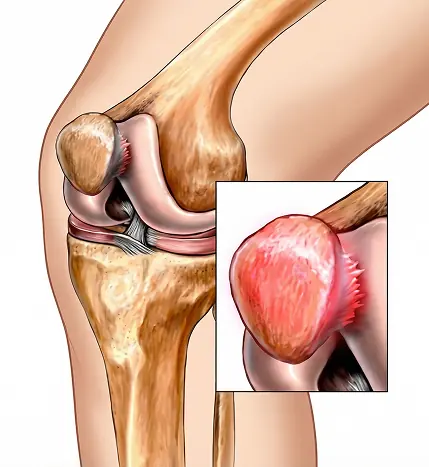
As pain and irritation progress, knee activities may become difficult, such as:
- Pain climbing stairs or walking downhill
- Discomfort when sitting with knees bent (movie-theatre sign)
- Grinding or clicking sensations when bending the knee
- Difficulty kneeling, squatting, or exercising
Without appropriate non-surgical treatment, these limitations may persist for several months and progress into chronic knee pain.
Joint
Understanding the Knee Joint
The patellofemoral joint relies on smooth tracking of the kneecap across cartilage surfaces. Healthy cartilage cushions and protects the joint, reducing friction during movement. When cartilage is irritated or degenerates, joint mechanics are disrupted, causing pain and inflammation.
In Chondromalacia Patella, irritation develops either from direct cartilage damage or abnormal patellar tracking caused by muscle imbalance, alignment issues, or repetitive stress. Over time, this may lead to discomfort even during routine activity.
Stages
Chondromalacia Patella Stages
Irritation
Cartilage becomes inflamed but remains structurally intact. Mild pain appears during activity.
Softening
Cartilage begins to lose firmness and shows surface roughness. Pain increases with knee bending.
Fibrillation
Surface damage develops, causing catching or grinding sensations. Movement becomes uncomfortable.
Erosion
Portions of cartilage wear away, exposing underlying bone. Pain becomes persistent and movement is significantly affected.
Understanding the stage helps determine the best complete pcl tear treatment plan.
Symptoms
Symptoms of Chondromalacia Patella
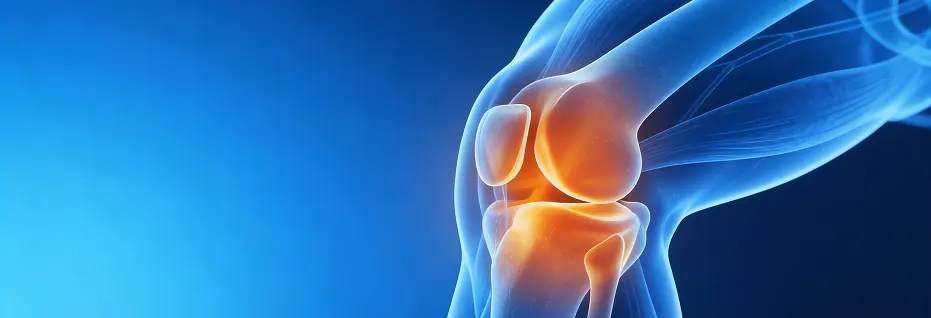
Common PCL tear symptoms include:
- Pain around or behind the kneecap
- Grinding, clicking, or crackling during knee movement
- Pain while climbing stairs, squatting, or kneeling
- Discomfort after long periods of sitting
- Weakness or instability during activity
- Pressure or heaviness in the front of the knee
Symptoms That Need Medical Evaluation
- Pain lasting several weeks without improvement
- Difficulty bending the knee or walking without discomfort
- Rapidly worsening grinding or locking sensations
- Recurrent swelling after physical activity
- Pain strong enough to limit basic daily tasks
Early evaluation improves treatment outcomes and prevents complications.
Causes & Risk Factors
Causes and Risk Factors
Chondromalacia Patella is caused by irritation, softening, or breakdown of the kneecap cartilage due to abnormal pressure or movement across the joint surface. Factors that increase risk include:
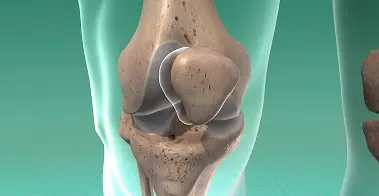
Patellar misalignment or poor tracking:
The kneecap does not glide smoothly in the femoral groove, increasing surface friction.
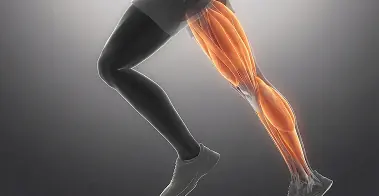
Muscle imbalance in the lower limb:
Weak hip stabilizers or dominant quadriceps alter joint loading mechanics.
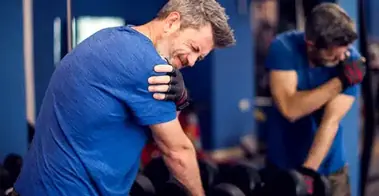
Flat feet or altered lower-limb alignment:
Changes in foot posture can cause inward knee collapse, stressing the patellofemoral joint.
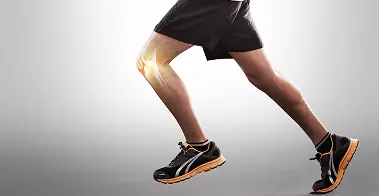
Repetitive overuse from work or sports:
Frequent jumping, kneeling, or squatting increases pressure behind the kneecap.
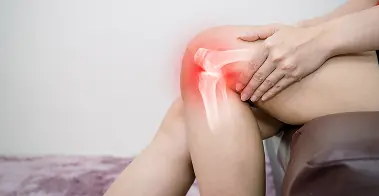
Previous knee injury or trauma:
Prior cartilage or ligament injury may disrupt joint stability.
High-impact athletic activity:
Running, jumping, and fast directional changes increase force transmission through the kneecap.
In many patients, chondromalacia develops gradually without a single clear injury.
Diagnosis
Diagnosis and Clinical Assessment
Chondromalacia Patella is diagnosed through a combination of clinical evaluation and medical history.
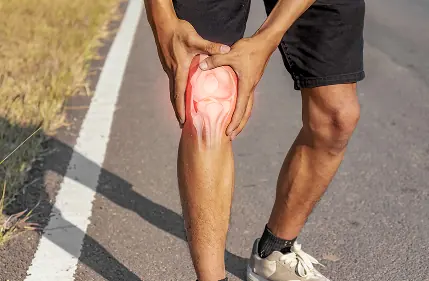
- Assessment of patellar movement and tracking
- Evaluation of muscle imbalance and gait mechanics
- Identification of pain patterns during bending or loading
- Review of lifestyle, injury history, and activity level
- X-rays or MRI may be used when deeper cartilage changes or alignment issues are suspected
Imaging helps rule out other knee conditions such as ligament tears or arthritis when required.
Treatments
Advanced Non-Surgical Treatments for Chondromalacia Patella
Most cases can be managed without surgery. Non-surgical chondromalacia patella treatment focuses on improving patellar alignment, reducing inflammation, and restoring muscle balance.
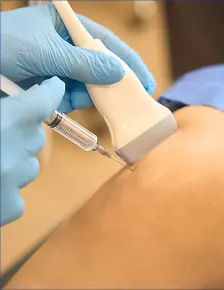
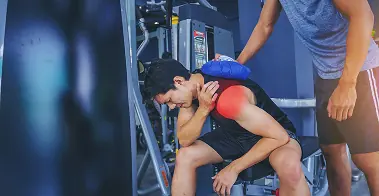
Image-Guided Injections
Image-guided injections help reduce inflammation and pain behind the kneecap. This improves comfort during activities and allows rehabilitation exercises to progress with less irritation.
Regenerative Medicine (PRP Therapy)
In selected cases, PRP therapy may support cartilage metabolism and tissue healing as part of a comprehensive treatment plan. It is used cautiously based on symptom severity and cartilage changes.
Hyaluronic Acid (Viscosupplementation)
Viscosupplementation improves joint lubrication in knees affected by cartilage softening and wear. This helps reduce friction-related pain and supports smoother patellofemoral movement.
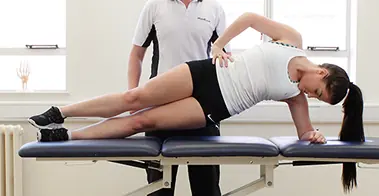
Patellar Tracking Correction Programs
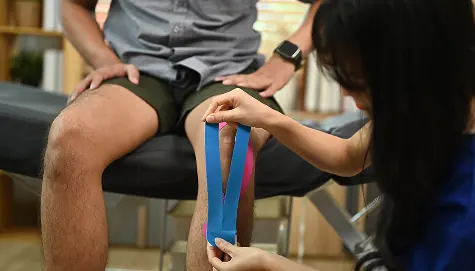
Targeted bracing, taping, and movement retraining help optimize kneecap alignment during knee motion. These strategies reduce stress on the cartilage and support long-term symptom relief.
The Nivaan Way
At Nivaan Pain Clinic, all advanced non-surgical interventions are performed with precision under real-time imaging guidance, such as ultrasound, to ensure accuracy, improved safety, and better outcomes.
When basic care is not enough, advanced non-surgical treatment can help restore comfort and movement.
Not sure which treatment fits your pain? A pain specialist can tell you after one assessment.
Recovery
Recovery Support: Physiotherapy, Nutrition, and Pain Counselling
Recovery from Chondromalacia Patella is more effective when medical treatment is combined with structured rehabilitation and supportive care.
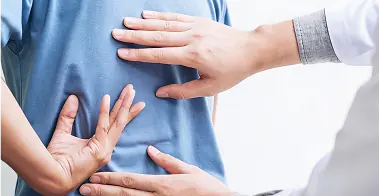
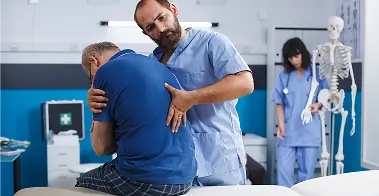
Physiotherapy and Rehabilitation
Includes strengthening, patellar tracking exercises, stretching, and mobility retraining to reduce friction and restore alignment.

Nutrition Support
Focuses on joint-supportive nutrients and anti-inflammatory strategies, especially for active individuals or those with metabolic conditions.
Pain Counselling and Movement Confidence
Guides patients in pacing activity, understanding healing timelines, and maintaining motivation through the recovery process.
Together, this integrated support helps patients return to daily activities, work, and exercise with confidence.
When to consult
When to Consult a Pain Specialist
You should consult a specialist if:
- Knee pain persists for several weeks
- Symptoms worsen with activity or daily tasks
- Grinding sensations become frequent or painful
- Mobility or performance continues to decline
- You want to avoid surgery when possible
Early specialist care improves outcomes and reduces the risk of long-term cartilage stress.
Nivaan's Approach
Our Integrated Non-Surgical Care Pathway
At Nivaan Pain Clinic, chondromalacia patella treatment follows a structured approach:
- Comprehensive specialist assessment
- Accurate diagnosis and staging
- Personalized non-surgical treatment planning
- Guided physiotherapy and recovery monitoring
FAQs
Frequently asked questions
Can Chondromalacia Patella be treated without surgery?
Yes. Most patients improve with non-surgical treatment when addressed early.
How long does recovery take?
Timelines vary by stage and individual factors, with improvement often seen in weeks to months.
Is knee popping a sign of damage?
Popping alone is not always serious, but popping with pain requires evaluation.
Is exercise safe with Chondromalacia Patella?
Yes, but exercises should be guided to avoid overloading irritated cartilage.
Is early treatment important?
Yes. Early care helps prevent progression to cartilage erosion and chronic pain.
Book an Appointment for Chondromalacia Patella Treatment
If kneecap pain or movement discomfort is limiting your daily activities, early treatment can help restore comfort and prevent long-term deterioration
Specialists