Knee pain · Condition
Patellar Tendinopathy Treatment: Knee Pain Relief Without Surgery
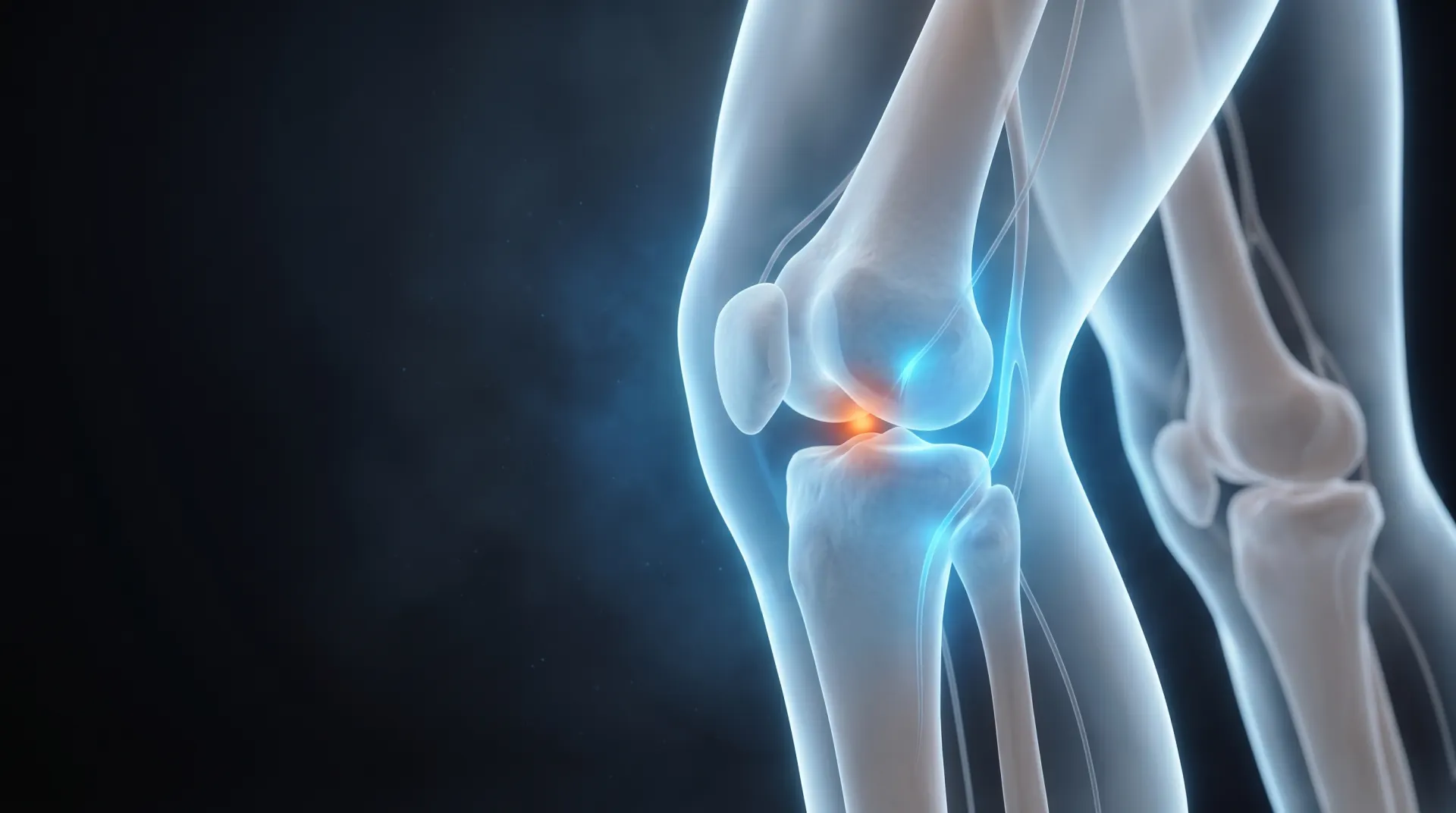
Patellar tendinopathy is a condition where the patellar tendon (connecting the kneecap to the shinbone) becomes irritated, overloaded, or degenerative due to repetitive stress. This leads to pain at the front of the knee, especially during movements like squatting, jumping, or descending stairs. With timely diagnosis and structured patellar tendinopathy treatment, discomfort can be reduced and knee performance restored.
Overview
What is Patellar Tendinopathy?
Patellar tendinopathy, often referred to as jumper’s knee, occurs when the patellar tendon becomes weakened or strained due to repeated load or biomechanical stress. Unlike acute inflammation (tendonitis), tendinopathy is a degenerative process where tissue quality changes over time.
Also known as patellar tendonitis, patellar tendon pain, or patellar tendon tear (degenerative), this condition may develop suddenly after overuse or progress gradually due to repetitive stress on the tendon.
As tendon overload increases, patellar tendinopathy can interfere with routine activities, including:
- Pain during exercise, stair climbing, or kneeling
- Discomfort when sitting with bent knees for long periods
- Reduced jumping or explosive strength for sports
- Reduced confidence in movement due to pain
Without guided nonsurgical tendinopathy treatment, symptoms may persist for several months.
Joint
Understanding the Patellar Tendon
The patellar tendon plays a vital role in knee extension, shock absorption, and lower-limb power during movement. It transmits force from the quadriceps muscles to the shinbone to enable walking, running, and jumping.
In patellar tendinopathy, repetitive loading causes tissue breakdown rather than healing. Microscopic changes in tendon fibers reduce elasticity, shock absorption, and capacity to tolerate stress, leading to pain and functional limitation.
Stages
Patellar Tendinopathy Stages
Patellar tendinopathy typically progresses through four clinical stages:
Reactive Tendinopathy
Tendon irritation occurs due to overload. Pain appears after activity.
Disrepair Phase
Structural changes begin in the tendon. Pain occurs during activity.
Degenerative Tendinopathy
Degeneration alters tendon fibers. Pain becomes frequent and persistent.
Stage 4: Partial Structural Failure
Portions of the tendon tear under stress. Movement becomes limited and painful.
Understanding these stages helps tailor patellar tendinopathy treatment for best outcomes.
Symptoms
Symptoms of Patellar Tendinopathy
Common symptoms include:
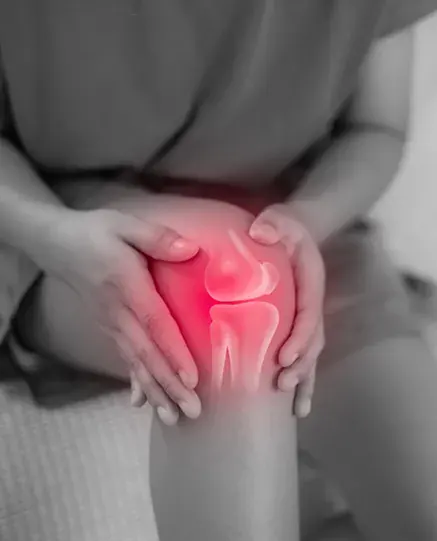
- Pain at the front of the knee, just below the kneecap
- Stiffness during knee extension or after rest
- Soreness when squatting, jumping, or descending stairs
- Tenderness when pressing the patellar tendon
- Reduced lower-limb power or performance
Symptoms That Need Medical Evaluation
- Pain lasting several weeks without improvement
- Difficulty bending the knee or straightening the leg
- Pain interfering with basic tasks or daily routine
- Swelling or thickening of the tendon
- Suspected partial tendon tear or sudden sharp pain
Causes and Risk Factors
Causes and Risk Factors
Patellar tendinopathy is caused by repetitive stress or overload on the patellar tendon. Factors that increase risk include:
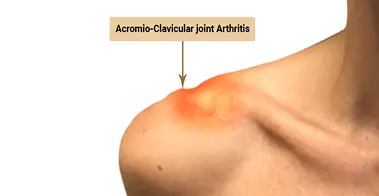
Repetitive jumping or explosive movements:
Common in sports such as basketball or volleyball where tendon strain accumulates.
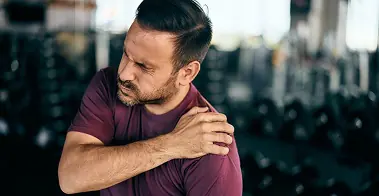
Sudden increases in training intensity:
Rapid load progression may exceed tendon capacity.
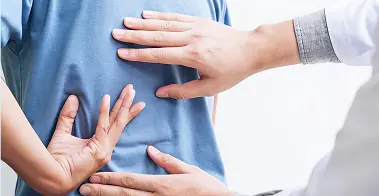
Muscle imbalance or tightness:
Quadriceps dominance or hamstring tightness affects tendon mechanics.
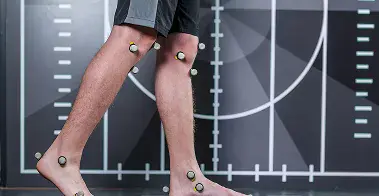
Lower-limb alignment issues:
Flat feet, knock-knees, or gait abnormalities increase tendon stress.
Previous knee injuries:
Past trauma may alter mechanics and load distribution.
Occupational strain:
Frequent kneeling, climbing, or squatting contributes to tendon overload.
In many patients, patellar tendinopathy develops gradually without a single triggering event.
Diagnosis
Diagnosis and Assessment
Patellar tendinopathy is diagnosed through clinical evaluation and medical history.
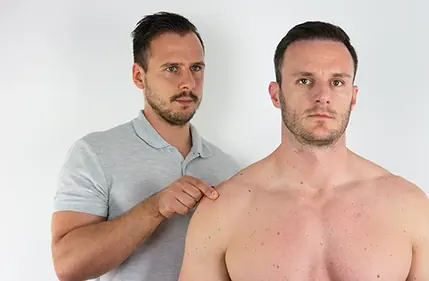
- Assessment of tendon tenderness and pain provocation
- Evaluation of movement patterns, strength, and flexibility
- Functional tests such as single-leg decline squat
- Ultrasound or MRI may be advised to confirm fiber changes or tendon tearsAccurate diagnosis guides treatment selection and prevents unnecessary strain on the tendon.
Treatments
Advanced Non-Surgical Treatments for Patellar Tendinopathy
Most cases can be managed without surgery. Nonsurgical patellar tendinopathy treatment focuses on reducing pain, restoring tendon capacity, and correcting biomechanical factors.
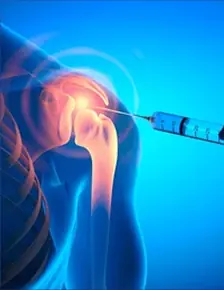
Image-Guided Injections
Image-guided injections help reduce pain and local inflammation around the patellar tendon. This improves comfort and allows rehabilitation exercises to progress safely and effectively.
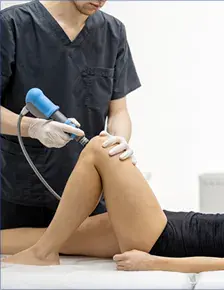
Extracorporeal Shockwave Therapy (ESWT)
ESWT may be recommended to stimulate tendon tissue repair and reduce pain sensitivity in chronic patellar tendinopathy. It supports healing by improving local blood flow and tissue response.
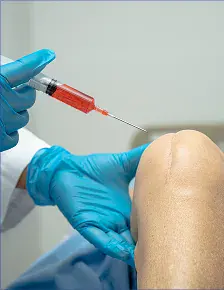
Regenerative Medicine (PRP Therapy)
PRP therapy supports tendon healing by promoting collagen regeneration within the affected patellar tendon. It is used selectively based on symptom duration, tendon changes, and activity level.
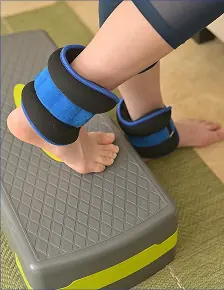
Tendon Offloading & Movement Retraining
Bracing, taping, and targeted loading strategies help reduce strain on the patellar tendon while restoring proper movement patterns. This supports gradual tendon recovery and long-term function.
The Nivaan Way
At Nivaan Pain Clinic, all advanced non-surgical interventions are performed with precision under ultrasound guidance to ensure accurate targeting, improved safety, and better outcomes.
When basic care is not enough, advanced non-surgical treatments can help restore knee power and confidence.
Not sure which treatment fits your pain? A pain specialist can tell you after one assessment.
Recovery
Recovery Support: Physiotherapy, Nutrition, and Pain Counselling
Recovery is most effective when medical treatment is supported by structured care.
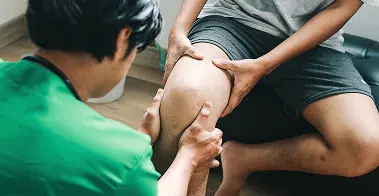
Physiotherapy and Rehabilitation
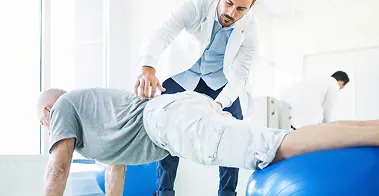
Eccentric loading, isometric strengthening, and neuromuscular retraining support tendon recovery and performance.
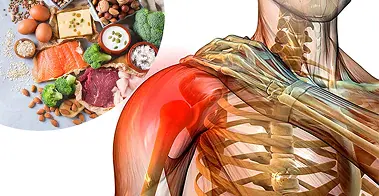
Nutrition Support
Protein adequacy, anti-inflammatory guidance, and collagen-building nutrients help tendon regeneration.

Pain Counselling and Movement Confidence
Supports emotional resilience and reduces fear associated with movement or symptom flare-ups.
Together, these strategies help patients return to routine activity and exercise with greater confidence.
When to Consult
When to See an Interventional Pain Specialist?
You should consult a specialist if:
- Pain persists for several weeks
- Symptoms are affecting work, sports, or daily life
- Tendon feels thickened, sensitive, or unstable
- Home care and exercise are not improving symptoms
- There is concern of a partial tendon tear
Early specialist involvement supports faster tendinopathy recovery.
Nivaan's Approach
Our Integrated Non-Surgical Care Pathway
You should consult a specialist if:
- Pain persists for several weeks
- Symptoms are affecting work, sports, or daily life
- Tendon feels thickened, sensitive, or unstable
- Home care and exercise are not improving symptoms
- There is concern of a partial tendon tear
Early specialist involvement supports faster tendinopathy recovery.
FAQs
Frequently asked questions
Can patellar tendinopathy be treated without surgery?
Yes. Most patients improve through structured nonsurgical treatment when addressed early.
How long does recovery take?
Recovery timelines vary but improvement is typically seen over weeks to months with guided care.
Is exercise safe with patellar tendon pain?
Yes, when exercises are modified and progressed under professional supervision.
Can patellar tendinopathy become chronic?
If untreated, it may progress to tendon degeneration or partial tearing.
Is early treatment important?
Yes. Early intervention reduces recovery time and preserves tendon integrity.
Book an Appointment for Patellar Tendinopathy Treatment
If patellar tendon pain or jumper’s knee is limiting your movement, early tendinopathy treatment can help restore comfort, performance, and long-term knee function.
Specialists