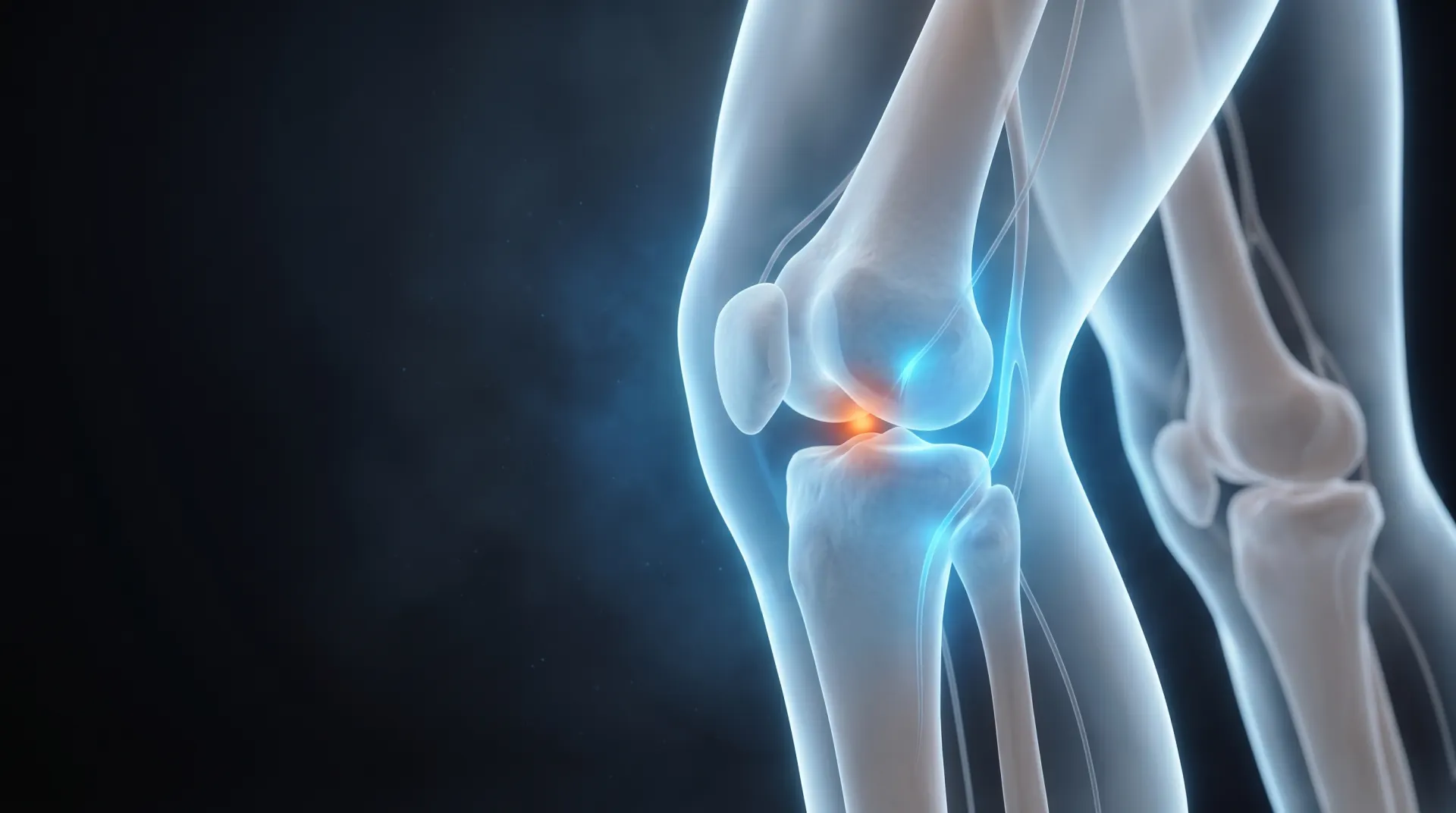
Knee pain · Treatment
Knee Replacement - Procedure, Benefits & Recovery
Advanced surgical care for severe knee pain designed to restore joint movement, reduce long-term discomfort, and help you return to everyday activities with confidence.
Treatment Options
Knee Replacement Surgery Options
Treatment selection is based on clinical evaluation and imaging findings.
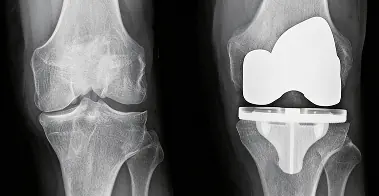
Total Knee Replacement
Recommended when arthritis or joint damage affects multiple areas of the knee. All damaged joint surfaces are replaced with prosthetic components to restore function and alignment.
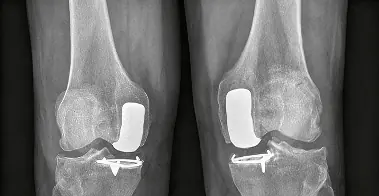
Partial Knee Replacement
Suitable when damage is limited to a single compartment of the knee. Healthy bone and tissue are preserved, which may support faster recovery in selected patients.
Not sure which treatment fits your pain? A pain specialist can tell you after one assessment.
Problem Awareness
Why Does Knee Pain Eventually Require Surgery?
Knee pain often begins gradually and may initially respond to medication, injections, or physiotherapy. However, conditions such as advanced osteoarthritis, cartilage loss, or joint deformity can continue to worsen over time. As the protective cartilage wears away, bones begin to rub against each other, leading to persistent pain, stiffness, and reduced mobility.
When daily activities like walking, climbing stairs, or even resting become difficult despite non-surgical treatment, knee replacement may be recommended as a definitive solution.
Overview
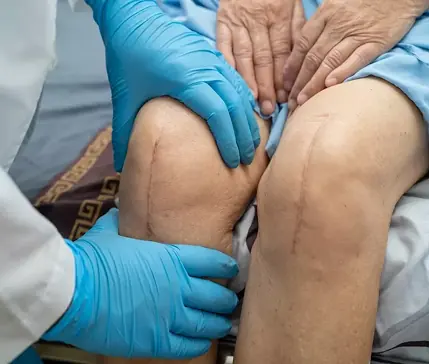
What Is Knee Replacement?
Knee replacement is a surgical procedure in which damaged portions of the knee joint are removed and replaced with artificial components designed to mimic natural joint movement. These implants reduce pain, restore alignment, and improve stability.
The procedure may involve partial knee replacement, where only the affected portion is treated, or total knee replacement, where the entire joint surface is replaced. The decision depends on the severity and location of joint damage.
Target Audience
Who May Need Knee Replacement?
Knee replacement is recommended when knee pain, stiffness, and joint deterioration make daily life difficult despite all conservative treatments. Rather than temporary relief, this procedure aims to restore joint function, relieve persistent pain, and improve overall mobility and independence.
For individuals with progressive joint degeneration or limited results from medications, injections, or physiotherapy, knee replacement becomes a clinically guided next step to regain quality of life.

Not sure which treatment fits your pain? A pain specialist can tell you after one assessment.
How It Works
How Does Knee Replacement Treatment Work?
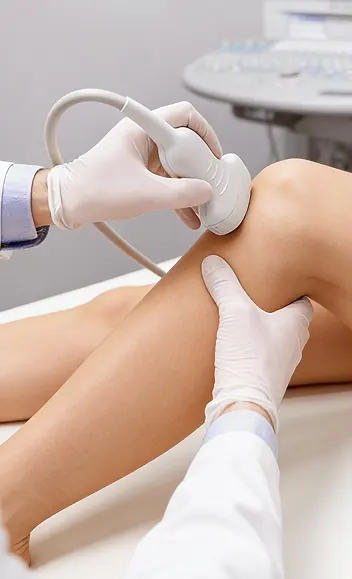
Knee replacement treatment follows a step-by-step medical pathway designed to reduce pain, correct joint damage, and help patients return to comfortable daily movement. Each stage is carefully coordinated to ensure safety, precision, and long-term outcomes.
Not sure which treatment fits your pain? A pain specialist can tell you after one assessment.
Benefits
Key Benefits of Knee Replacement
Movement becomes more comfortable and reliable again.
Knee replacement addresses the root cause of pain rather than providing temporary relief. When combined with proper rehabilitation, it supports long-term functional improvement.

Why Nivaan
Why Choose Our Knee Replacement Program?
Our knee replacement program is designed to deliver predictable outcomes through expert surgical care, advanced planning, and structured rehabilitation. Every step focuses on restoring movement, reducing pain, and supporting a confident return to daily life.

Experienced Surgical Team
Orthopedic specialists with extensive expertise in knee replacement procedures, ensuring safe execution and consistent results.

Precision Surgical Planning
Detailed preoperative assessment combined with modern implant technology supports accurate alignment and long-term joint performance.

Integrated Rehabilitation
Physiotherapy and recovery planning begin early, promoting faster mobility, better strength, and smoother rehabilitation.

Patient-Centered Care
Treatment decisions are personalized based on individual joint condition, lifestyle needs, and recovery goals.
Recovery
Recovery and Rehabilitation After Knee Replacement
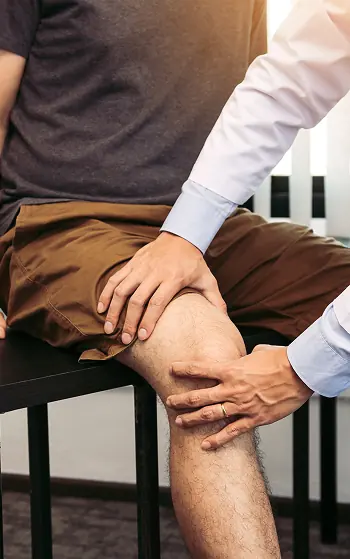
Recovery after knee replacement follows a structured rehabilitation pathway designed to restore strength, mobility, and confidence while protecting the new joint.

Hospital Stay
Most patients remain in the hospital for a few days, depending on overall health, pain control, and early mobility progress.

Early Mobility
Standing and assisted walking typically begin within 24 to 48 hours after surgery to promote circulation and prevent stiffness.

Physiotherapy Support
A structured physiotherapy program helps improve knee strength, range of motion, balance, and comfort during everyday activities.
Understanding what recovery looks like helps patients prepare both physically and mentally for knee replacement treatment. While individual healing speeds may differ, most patients follow a predictable recovery pattern when rehabilitation is followed consistently.
Typical Recovery Timeline
Recovery varies by individual, but consistent rehabilitation before and after treatment plays a key role in achieving stable, long-term outcomes.
Safety and Risk
Safety Profile of Knee Replacement Surgery
Knee replacement surgery is considered a safe and effective treatment when performed by experienced orthopedic surgeons. It has a high success rate in reducing pain and improving mobility. As with any surgical procedure, certain risks may be involved.
Possible risks include:
- Temporary pain or swelling during early recovery
- Infection or blood clots
- Joint stiffness or reduced range of motion
- Implant wear or loosening over time
Adhering to careful surgical technique, structured rehabilitation, and regular follow-up appointments helps significantly reduce these risks and supports optimal recovery outcomes.
FAQs
Frequently asked questions
How long does a knee replacement last?
Modern implants often last 15 to 20 years or longer, depending on activity level and joint care.
When can I walk after knee replacement?
Most patients begin walking with support within one to two days after surgery.
Is knee replacement surgery painful?
Some pain is expected initially but is managed with medication and physiotherapy.
Can I return to normal activities after surgery?
Most patients return to routine daily activities after recovery and rehabilitation.
Is knee replacement the only option for severe knee pain?
It is considered when non-surgical treatments no longer provide adequate relief.
Ready to Move Without Knee Pain?
If ongoing knee pain is affecting your independence and daily comfort, knee replacement may provide a lasting solution after a thorough orthopedic evaluation. Expert guidance can help you understand whether this treatment aligns with your joint condition, lifestyle needs, and long-term mobility goals.
Specialists