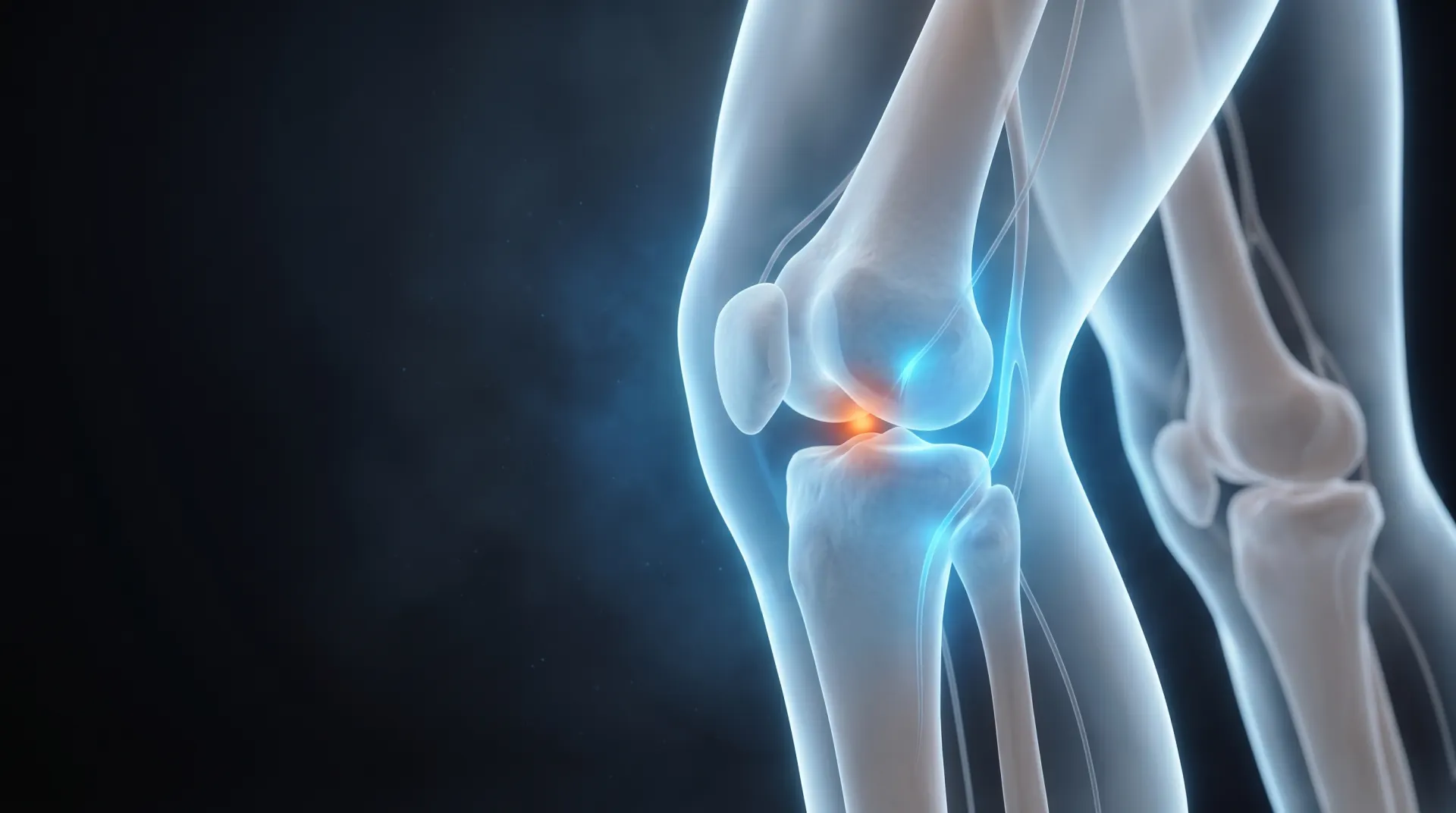
Knee pain · Condition
Rheumatoid Arthritis Knee Treatment: Relief & Joint Care Without Surgery
Rheumatoid arthritis (RA) of the knee is an autoimmune condition where the body’s immune system mistakenly attacks the knee joint lining, causing inflammation, stiffness, swelling, and pain. Over time, this inflammation can damage joint tissues and affect mobility. With early diagnosis and structured rheumatoid arthritis knee treatment, symptoms can be controlled and joint function preserved.
Overview
What is Rheumatoid Arthritis of the Knee?
Rheumatoid arthritis of the knee occurs when the immune system targets the synovial membrane that lines the knee joint, triggering chronic inflammation. This causes the membrane to thicken, produce excess joint fluid, and create swelling that leads to stiffness and pain. As the condition progresses, it may damage cartilage, soft tissues, and surrounding structures.
Also known as autoimmune knee arthritis, inflammatory arthritis of the knee, or RA knee involvement, rheumatoid arthritis typically affects both knees but may begin in one. Unlike osteoarthritis, which results from wear and tear, RA arises from immune dysfunction.

As inflammation increases, rheumatoid arthritis of the knee can affect daily activity, including:
- Difficulty standing or walking for extended periods
- Pain and stiffness after rest or in the morning
- Weakness or instability during movement
- Sleep disturbance due to knee pain
- Reduced confidence in movement and exercise
Without appropriate non-surgical management, these limitations may persist or worsen over time.
Joint
Understanding the Knee Joint
The knee joint is covered by a synovial lining that produces fluid for smooth movement. In RA, this lining becomes irritated by immune system activity, causing swelling, cartilage stress, and pressure within the joint. Persistent inflammation may erode cartilage and bone, making movement painful and unstable.
Rheumatoid arthritis is a systemic condition, meaning symptoms may also affect other joints, fatigue levels, and overall health. Early specialist care helps control inflammation to protect long-term joint structure and mobility.
Stages
Rheumatoid Arthritis Knee Stages
Rheumatoid arthritis may progress through stages, each with distinct joint needs:

Early Inflammation
Mild swelling and stiffness occur, especially in the morning. Joint structure remains intact.
Moderate Inflammation
Symptoms become more regular. Swelling, tenderness, and reduced mobility appear during daily tasks.
Structural Change
Cartilage damage and bone changes may develop. Pain increases, and activity limitations are noticeable.
Advanced Change
Severe inflammation and joint damage affect function, leading to significant mobility restrictions and persistent discomfort.
Understanding rheumatoid arthritis knee stages helps guide treatment planning and expectation-setting.
Symptoms
Symptoms of Rheumatoid Arthritis Knee
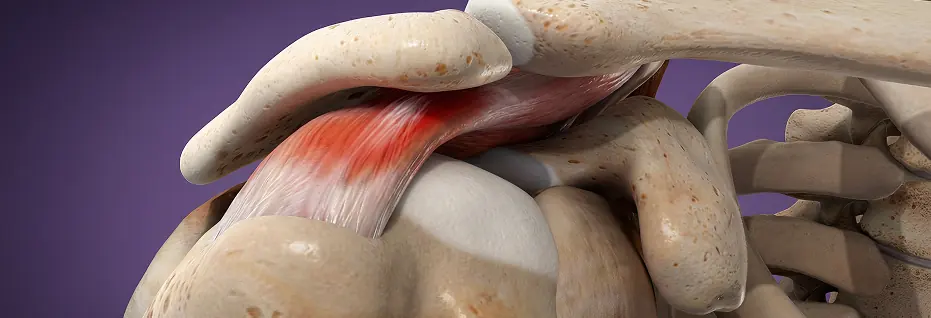
Common symptoms include:
- Swelling, heat, and stiffness around the knee
- Pain that worsens after periods of rest
- Difficulty bending or straightening the knee fully
- Morning stiffness lasting longer than 30 minutes
- Fatigue or generalized discomfort
- Occasional locking or instability
Symptoms That Need Medical Evaluation
- Persistent swelling that does not improve
- Increasing knee stiffness and difficulty walking
- Pain spreading to other joints or both knees
- Night pain affecting sleep regularly
- Recurrent flare-ups interfering with daily tasks
- Fever or unexplained fatigue alongside swelling
Causes and Risk Factors
Causes and Risk Factors
Rheumatoid arthritis is caused by an autoimmune reaction, not mechanical wear. The exact trigger is unknown, but factors that increase risk include:

Family history:
Genetics can influence the health of connective tissues and the immune response.

Hormonal imbalance or thyroid conditions:
Changes in hormone levels or thyroid disorders can affect tissue elasticity.
Smoking or exposure to environmental irritants:
Exposure to certain triggers can lead to persistent inflammation and discomfort.

Previous joint inflammation or immune dysfunction:
Prior trauma or inflammation can result in the thickening and tightening of the joint capsule.
Certain genetic markers associated with autoimmunity:
Specific biological factors may increase the risk of the capsule losing its normal flexibility.
RA may develop gradually or progress rapidly, making early diagnosis essential.
Diagnosis
Diagnosis & Assessment
Rheumatoid arthritis of the knee is diagnosed through a combination of physical evaluation, blood tests, and imaging.

- Assessment of knee swelling, tenderness, and stiffness
- Evaluation of mobility and functional limitations
- Blood tests for inflammatory markers (ESR, CRP) and rheumatoid factors
- Imaging tests (X-ray, ultrasound, or MRI) to assess joint structure and inflammation patterns
Diagnosis guides treatment selection and prevents unnecessary joint deterioration.
Treatments
Advanced Non-Surgical Treatments for Rheumatoid Arthritis Knee
Most rheumatoid arthritis knee cases can be managed without surgery. Non-surgical RA treatment focuses on reducing inflammation, supporting joint health, and improving mobility.

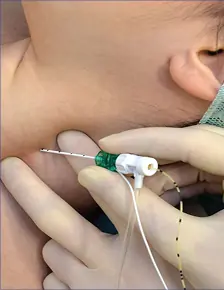
Image-Guided Steroid Injections
Image-guided steroid injections help reduce joint inflammation and pain during rheumatoid arthritis flare-ups. This supports improved comfort and mobility while systemic treatment plans continue.
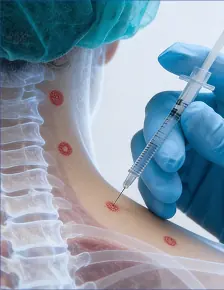
Viscosupplementation (Hyaluronic Acid)
In selected patients, hyaluronic acid injections may help improve joint lubrication and reduce stiffness. This supports smoother knee movement in cases with associated cartilage wear.
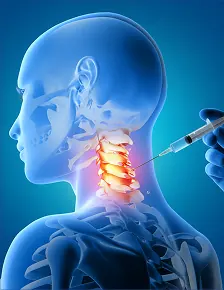
Regenerative Medicine (PRP Therapy)
PRP therapy may be considered cautiously in selected cases as part of a personalized care plan. It is used to support tissue health and symptom control alongside standard rheumatoid arthritis management.
Neuromuscular & Offloading Strategies
Movement retraining, bracing, and load redistribution help protect inflamed joint surfaces. These strategies reduce mechanical stress and support safer daily movement.
The Nivaan Way
At Nivaan, all advanced non-surgical interventions are performed with precision under imaging guidance such as ultrasound to ensure accurate targeting and improved safety.
When basic care is not enough, advanced non-surgical treatments can help restore control and comfort with the right guidance.
Not sure which treatment fits your pain? A pain specialist can tell you after one assessment.
Recovery
Recovery Support: Physiotherapy, Nutrition, and Pain Counselling
Management of rheumatoid arthritis knee is most effective when medical treatment is paired with supportive measures.

Physiotherapy and Rehabilitation
Improves strength, gait control, and knee stability while preventing stiffness through structured exercises.

Nutrition Support
Anti-inflammatory nutrition and metabolic management support immune regulation and healing, especially in patients with comorbidities.

Pain Counselling and Emotional Support
Addresses flare-up anxiety, activity pacing, and daily coping strategies to maintain confidence and independence.
Together, these strategies help patients stay active, reduce flare frequency, and protect long-term knee function.
When to Consult
When to See an Interventional Pain Specialist?
You should consult a specialist if:
- Knee pain persists for several weeks
- Stiffness and swelling continue to worsen
- Daily tasks or sleep are regularly affected
- Knees feel unstable or progressively weaker
- You want non-surgical options to manage symptoms
Early specialist involvement improves outcomes and preserves joint health.

Approach
Our Integrated Non-Surgical Care Pathway
At Nivaan Pain Clinic, rheumatoid arthritis knee management follows a structured pathway:
- Comprehensive specialist assessment
- Accurate diagnosis and staging
- Personalized non-surgical treatment planning
- Guided physiotherapy and flare-up monitoring

FAQs
Frequently asked questions
Can rheumatoid arthritis of the knee be treated without surgery?
Yes. Many patients manage symptoms successfully with structured non-surgical care.
Is rheumatoid arthritis the same as osteoarthritis?
No. RA is autoimmune-driven, while OA is due to wear and tear.
How long does RA knee management take to show improvement?
Improvement varies, typically over weeks to months depending on flare patterns.
Are exercises safe with RA knee pain?
Yes, when guided and adjusted to flare levels by a specialist or physiotherapist.
Is early treatment important?
Yes. Early care reduces joint damage and increases long-term mobility potential.
Book an Appointment for Rheumatoid Arthritis Knee Treatment
If persistent swelling, stiffness, or pain is limiting your daily routine, early RA management can help restore comfort and protect your knees from future damage.
Specialists