Knee pain · Condition
Baker’s Cyst Knee Treatment: Swelling & Pressure Relief Without Surgery
A Baker’s cyst (also known as a popliteal cyst) refers to a fluid-filled swelling at the back of the knee that develops due to increased pressure within the joint. This excess fluid accumulates in the popliteal space and causes a noticeable lump, tightness, or discomfort. With timely diagnosis and structured treatment, swelling can be reduced, discomfort relieved, and mobility restored.
Overview
What is a Baker’s Cyst?
A Baker’s cyst forms when the knee joint produces excess synovial fluid that becomes trapped behind the knee. This occurs due to irritation, injury, or inflammation inside the joint. While the cyst itself is not typically dangerous, it is a sign of an underlying knee condition that requires evaluation and management.
Baker’s cyst symptoms may interfere with daily activity, including:
- Pain, tightness, or stretching sensation behind the knee
- Increased discomfort while bending, kneeling, or climbing stairs
- Reduced confidence in weight-bearing or exercise
- Difficulty standing for long periods due to pressure buildup
Without treatment for the underlying condition, cysts may recur or persist for months.
Joint
Understanding the Knee Joint
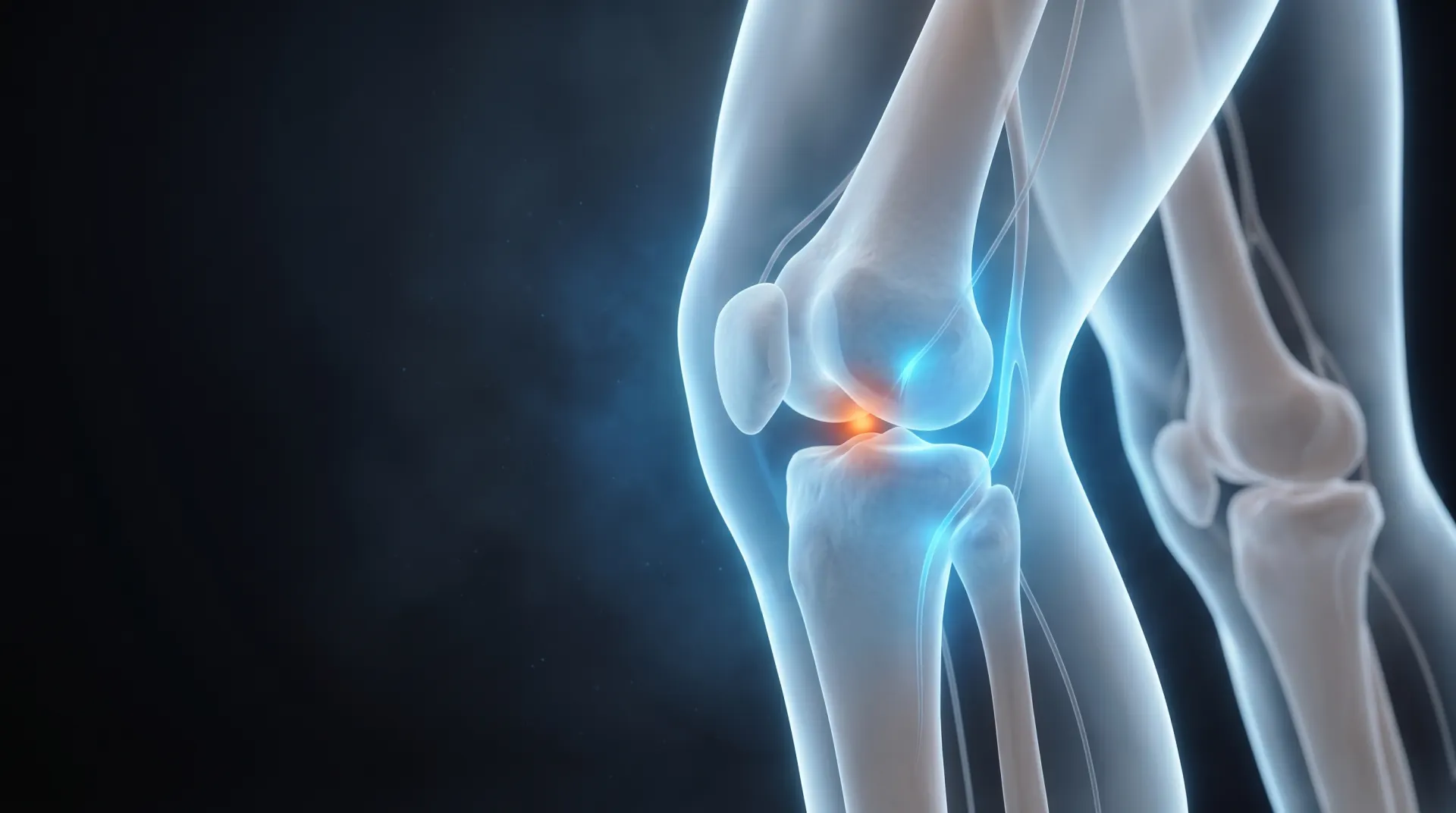
The knee contains a membrane called the synovium, which produces fluid to lubricate the joint. When irritation occurs, this membrane can overproduce fluid. Increased internal pressure forces fluid into the space behind the knee, causing a cyst to form.
A Baker’s cyst creates a one-way valve mechanism, fluid enters the space behind the knee easily but struggles to return to the joint. This is why cysts may feel persistent or return after temporary relief.
Stages
Baker’s Cyst Severity Stages
Early Swelling
Mild swelling or tightness appears behind the knee. Movement is slightly uncomfortable.
Symptomatic Swelling
A visible lump develops with discomfort during bending or weight-bearing activities
Restricted Mobility
Movement becomes limited due to tightness and pressure. Pain increases with prolonged activity.
Complicated Presentation
Cyst may rupture or spread fluid into the calf, causing sharp pain, bruising, or swelling in the lower leg.
Understanding the stage helps guide individualized Baker’s cyst treatment planning.
Symptoms
Symptoms of a Baker’s Cyst
Common baker’s cyst symptoms include:
- Swelling or lump behind the knee
- Tightness or stiffness when bending the knee
- Pain during prolonged standing or walking
- Feeling of fluid movement or pressure in the knee
- Restricted range of motion
Symptoms That Need Medical Evaluation
- Sudden calf pain, swelling, or bruising (possible cyst rupture)
- Difficulty straightening or bending the knee fully
- Recurrent swelling after activity or exercise
- Pain that interrupts sleep or routine tasks
- Fever or redness alongside swelling
Early evaluation improves treatment outcomes and prevents complications.
Causes & Risk Factors
Causes and Risk Factors
A Baker’s cyst forms due to increased pressure inside the knee joint caused by excess synovial fluid production. Factors that increase risk include:
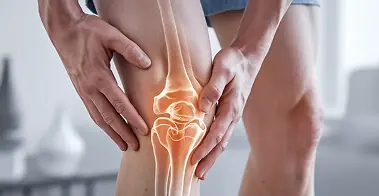
Arthritis-related joint inflammation:
Conditions like osteoarthritis or rheumatoid arthritis increase fluid buildup, leading to cyst formation.
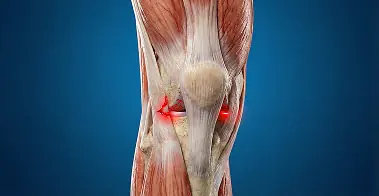
Meniscus tears or cartilage degeneration:
Structural joint changes alter fluid dynamics and raise pressure behind the knee.
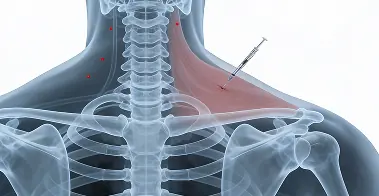
ACL or MCL ligament injuries:
Ligament damage disrupts joint stability and may trigger inflammatory swelling.

Chronic knee inflammation or bursitis:
Long-standing irritation stimulates fluid production within the joint capsule.

Post-injury joint irritation:
Healing tissues can create imbalance in joint pressure and fluid circulation.

Repetitive strain or mechanical overload:
Activities involving kneeling, running, or squatting increase friction and internal joint stress.
In many patients, Baker’s cysts develop because of a secondary knee condition rather than as an isolated problem.
Diagnosis
Diagnosis and Clinical Assessment
Diagnosis focuses on identifying the cyst and the underlying cause.
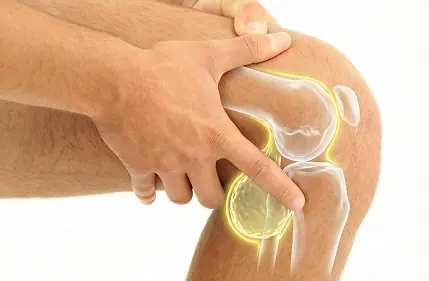
- Clinical examination to assess swelling, tenderness, and mobility
- Evaluation of knee mechanics, loading patterns, and movement tolerance
- Ultrasound to confirm cyst presence and assess communication with joint space
- MRI may be advised when meniscus tears or cartilage degeneration are suspectedAccurate diagnosis guides whether basic care or further intervention is required.
Treatments
Advanced Non-Surgical Treatments for Baker’s Cyst Knee
Most Baker’s cyst knee cases can be managed without surgery. Treatment focuses on reducing swelling, improving knee mechanics, and addressing the cause of fluid buildup.
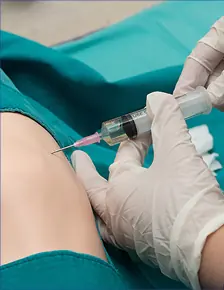
Image-Guided Aspiration (Fluid Removal)
Image-guided aspiration is used to safely drain excess fluid from the cyst, reducing pressure and discomfort behind the knee. This can improve knee movement and relieve tightness when the cyst is large or symptomatic.
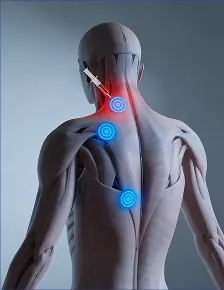
Image-Guided Corticosteroid Injection
Corticosteroid injections help control inflammation within the knee joint that contributes to fluid accumulation. By reducing ongoing irritation, they may lower the risk of cyst recurrence and improve overall knee comfort.
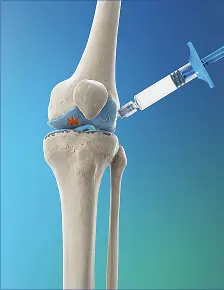
Hyaluronic Acid (Viscosupplementation)
Viscosupplementation improves joint lubrication in cases where cartilage wear is contributing to excess fluid production. This helps reduce friction, stiffness, and mechanical stress within the knee.
Regenerative Medicine (PRP Therapy)
PRP therapy is used selectively to address underlying degenerative joint changes that may lead to cyst formation. It may help modulate inflammation and support joint tissue health in appropriate cases.
The Nivaan Way
At Nivaan, all advanced non-surgical interventions are performed under imaging guidance such as ultrasound for accurate placement, improved safety, and better clinical outcomes.
When basic care is not enough, advanced non-surgical treatment can help restore comfort and movement.
Not sure which treatment fits your pain? A pain specialist can tell you after one assessment.
Recovery
Recovery Support: Physiotherapy, Nutrition, and Pain Counselling
Recovery is most effective when treatment is supported by structured care.
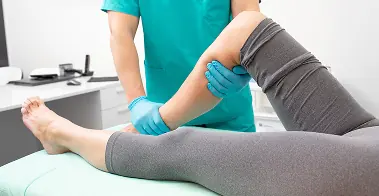
Physiotherapy and Rehabilitation
Supports knee alignment, builds strength, and reduces stress on sensitive joint structures.

Nutrition Support
Anti-inflammatory nutrition and weight optimization help reduce fluid production triggers.
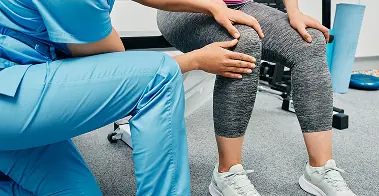
Pain Counselling and Movement Confidence
Guidance for activity pacing and lifestyle adjustments supports long-term outcomes.
Together, these strategies help reduce recurrence risk and support symptom control.
When to consult
When to Consult a Pain Specialist
You should consult a specialist if:
- Pain or swelling persists for several weeks
- Movement or exercise is becoming difficult
- Cyst size continues to increase
- You want to avoid unnecessary surgery
- MRI or ultrasound confirms an underlying knee issue
Early specialist care reduces symptom duration and supports better functional recovery.
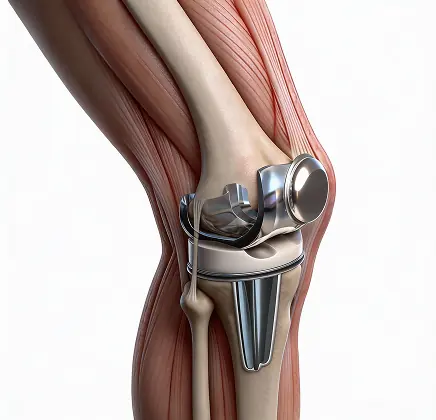
Nivaan's Approach
Our Integrated Non-Surgical Care Pathway
At Nivaan Pain Clinic, Baker’s cyst treatment follows a structured process:
- Comprehensive clinical assessment
- Diagnosis and evaluation of underlying cause
- Personalized treatment planning
- Rehabilitation and progress monitoring

FAQs
Frequently asked questions
Can a Baker’s cyst go away on its own?
It may reduce temporarily, but recurrence is common without treating the underlying cause.
Is surgery required?
Rarely. Most cases respond to structured non-surgical care.
Can a Baker’s cyst burst?
Yes. Rupture causes sharp pain and calf swelling and requires evaluation.
What is the fastest way to relieve pressure?
Guided aspiration and addressing internal inflammation provide the most relief when indicated.
Is physiotherapy helpful?
Yes. It supports mobility, strength, and prevents mechanical overload.
Book an Appointment for Baker’s Cyst Knee Treatment
If swelling or tightness behind the knee is affecting movement or daily activity, early treatment can help restore comfort, function, and confidence.
Specialists