Knee pain · Condition
Meniscus Tear Treatment: Knee Injury Relief Without Surgery
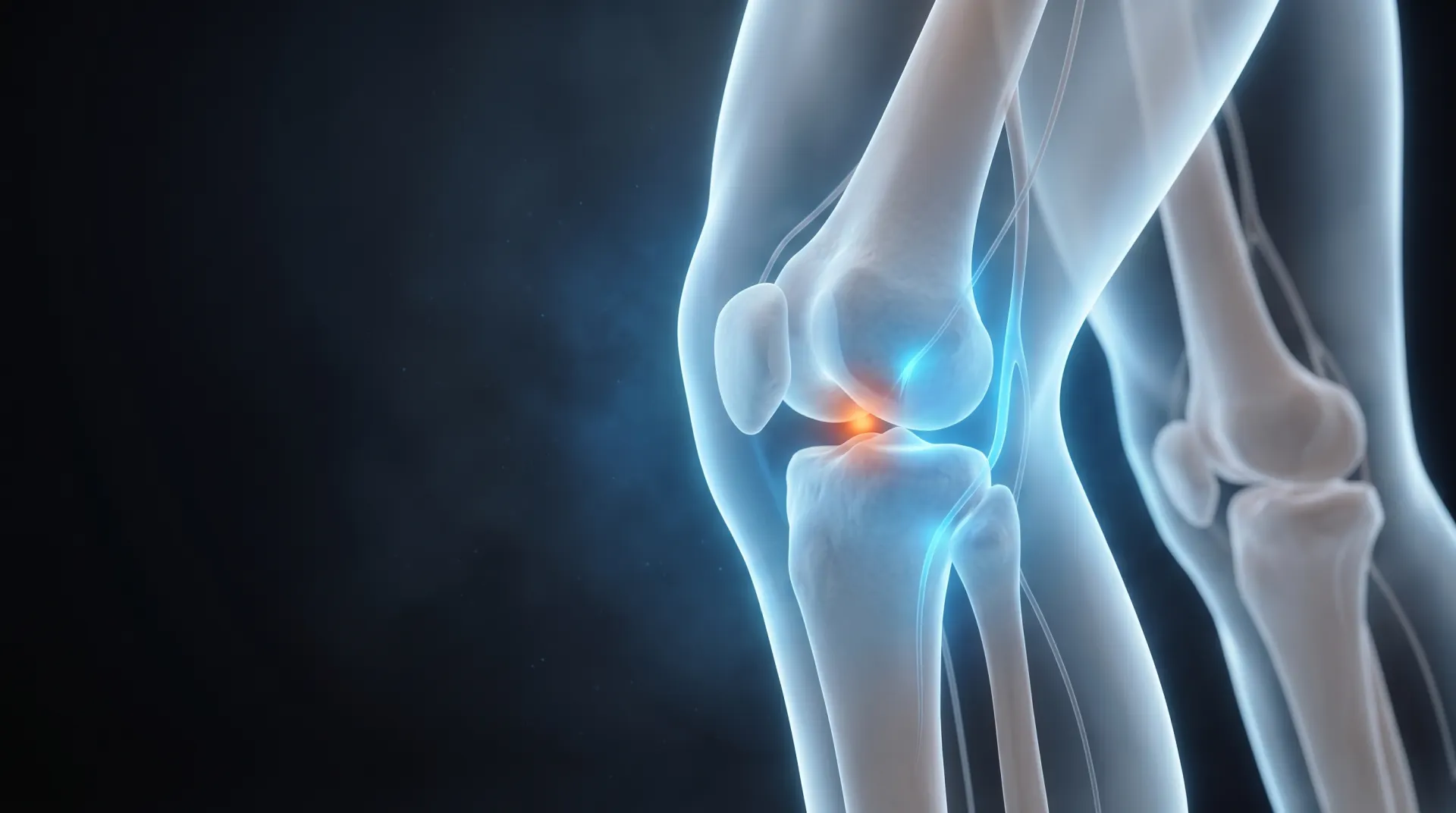
A meniscal injury occurs when the cartilage pads inside the knee (the menisci) are torn or damaged due to twisting, impact, degeneration, or overload. These crescent-shaped structures act as shock absorbers, protect knee cartilage, and support joint stability. With timely diagnosis and structured treatment, many meniscus tears can be managed without surgery depending on tear type and functional goals.
Overview
What is a Meniscal Injury?
A meniscal injury refers to damage or tearing of the medial or lateral meniscus, the cartilage cushions located between the femur and tibia. These structures help distribute weight across the joint and protect cartilage surfaces. When torn, they cause pain, swelling, and difficulty with movement.
Also known as a meniscus tear, medial meniscus injury, or lateral meniscus injury, this condition may develop suddenly due to trauma or gradually from age-related cartilage wear.
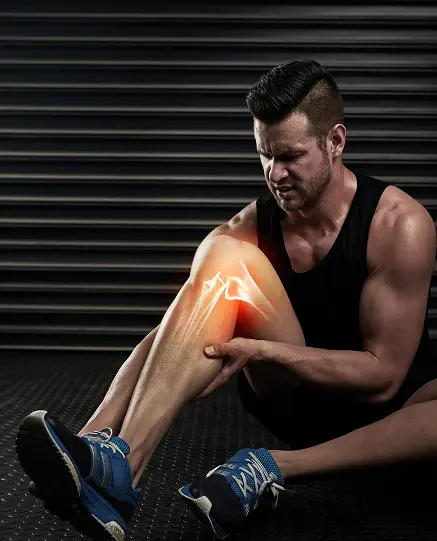
Meniscal injury can interfere with routine activities, including:
- Pain with twisting, squatting, or stair use
- Clicking or catching sensations in the knee
- Sudden locking or difficulty straightening the knee
- Reduced ability to exercise or participate in sport
- Discomfort when sitting or standing for long periods
Without appropriate non-surgical meniscus tear treatment, symptoms may persist or progress over time.
Joint
Understanding the Knee Joint
The knee contains two menisci—medial (inner) and lateral (outer)—that maintain joint alignment and stability. They cushion the knee against repetitive forces during walking, running, and jumping. Injury occurs when forceful rotation or compression overwhelms the tissue.
Tears may be acute, caused by sports or trauma, or degenerative, developing over time with cartilage thinning. Meniscus tears vary in pattern, including radial, horizontal, bucket-handle, and complex tears. Severity and location influence treatment decisions and recovery timelines.
Stages
Meniscal Injury Grades / Tear Types
Meniscal injuries are generally categorized by severity and tear pattern:
Irritation / Minor Strain
Meniscus fibers are irritated but intact. Pain appears with specific movements.
Partial Tear
Some fibers are torn. Pain occurs with bending, twisting, and pressure.
Complete Tear
A through-and-through tear disrupts function. Catching or locking may occur.
Displaced / Complex Tear
A fragment may flip or move within the joint. Knee motion may lock suddenly.
Understanding tear severity helps guide appropriate treatment options.
Symptoms
Symptoms of a Meniscal Injury
Common symptoms include:
- Sharp or aching pain on one side of the knee
- Pain while twisting, squatting, or pivoting
- Clicking, catching, or popping sensations
- Knee swelling or stiffness
- Difficulty fully straightening or bending the knee
- Feeling of knee instability or weakness
Symptoms That Need Medical Evaluation
- Knee locking or inability to straighten the leg
- Swelling that returns repeatedly after activity
- Severe pain following a twist or fall
- Persistent catching or mechanical blockage
- Difficulty bearing weight without support
Early evaluation improves meniscus tear recovery outcomes and helps avoid unnecessary progression.
Causes and Risk Factors
Causes and Risk Factors
Meniscal injuries can result from trauma, sudden twisting, hyperflexion, or degeneration. Risk factors include:
Pivoting sports:
Activities involving sudden direction changes or twisting that strain the meniscus.
Cartilage degeneration:
Age-related wear that weakens meniscal tissue and increases tear risk.
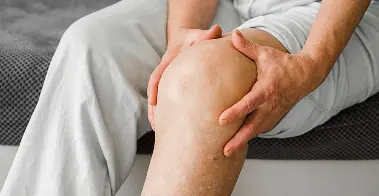
Previous injury:
Prior knee trauma or ligament instability that places added stress on the meniscus.

Muscle imbalance:
Weakness or poor coordination in the quadriceps and hip stabilizers that affects knee mechanics.
Occupational stress:
Repeated kneeling, squatting, or heavy lifting that overloads the knee joint.
Medial meniscus injuries are more common due to its stronger attachment and load-bearing role, while lateral injuries often occur with rotational forces.
Diagnosis
Diagnosis and Assessment
Meniscal injury is diagnosed through clinical examination and imaging.
- Assessment of pain location and functional limitation
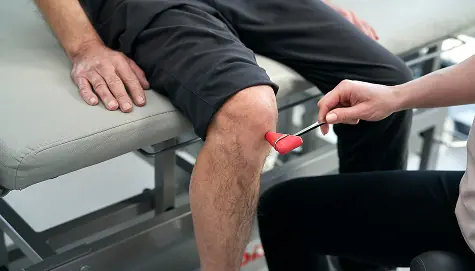
- Specific tests such as McMurray’s Test and Thessaly Test
- Evaluation of clicking, locking, or joint-line tenderness
- MRI is the gold standard for visualizing tear pattern and severity
- X-rays may be advised to assess associated arthritis or structural issues
Accurate diagnosis guides tear classification and treatment planning.
Treatments
Advanced Non-Surgical Treatments for Meniscal Injury
Most partial tears and degenerative tears can be managed without surgery. Treatment focuses on pain control, tissue healing, and restoring stability.
Image-Guided Injections
Image-guided injections help reduce inflammation and pain around the injured meniscus by delivering medication precisely into the knee joint. This improves comfort and allows safer participation in rehabilitation and strengthening exercises.
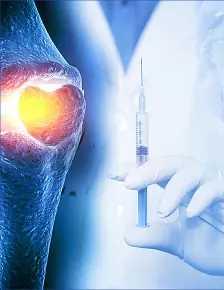
Regenerative Medicine (PRP Therapy)
PRP therapy may support meniscal tissue healing and reduce pain in selected cases, particularly where degenerative changes are present. It is used cautiously based on tear type, location, and overall knee condition.
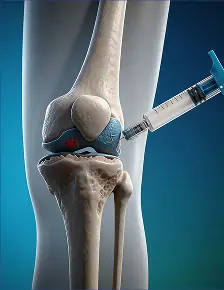
Viscosupplementation (Hyaluronic Acid)
Hyaluronic acid injections can improve joint lubrication and reduce friction in patients with associated cartilage wear. This helps ease movement-related discomfort and supports smoother knee motion during recovery.
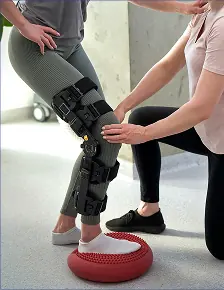
Knee Offloading & Stability Programs
Bracing, taping, and biomechanical correction help reduce load and rotational stress on the injured meniscus. These strategies improve knee stability, protect healing tissue, and support long-term function.
The Nivaan Way
At Nivaan Pain Clinic, all advanced non-surgical meniscus tear treatments are performed under ultrasound or fluoroscopic guidance to ensure precision and safety.
When basic care is not enough, advanced non-surgical treatments can help restore knee function with the right guidance.
Not sure which treatment fits your pain? A pain specialist can tell you after one assessment.
Recovery
Recovery Support: Physiotherapy, Nutrition, and Pain Counselling
Recovery from meniscal injury is most effective when medical care is combined with supportive rehabilitation.

Physiotherapy and Rehabilitation
Targets strength, balance, and movement training to protect the meniscus and restore joint mechanics.
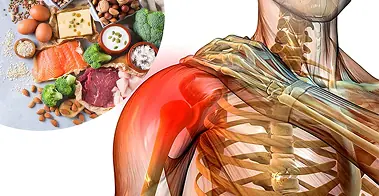
Nutrition Support
Focuses on anti-inflammatory nutrition and weight management to reduce knee load.

Pain Counselling and Emotional Support
Addresses fear of movement, confidence rebuilding, and realistic recovery pacing.
Together, these components support long-term knee health and performance.
When to consult
When to See an Interventional Pain Specialist?
You should consult a specialist if:
- Pain persists for several weeks
- Knee locking or catching increases
- Movement becomes increasingly restricted
- Daily tasks or exercise become difficult
- You want to avoid surgery when possible
Early specialist intervention improves outcomes and reduces risk of long-term instability.
Nivaan's Approach
Our Integrated Non-Surgical Care Pathway
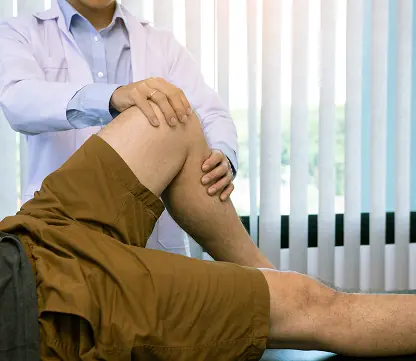
At Nivaan Pain Clinic, meniscus tear treatment follows a structured pathway:
- Comprehensive specialist assessment
- Accurate diagnosis and tear classification
- Personalized non-surgical treatment planning
- Guided physiotherapy and recovery monitoring
FAQs
Frequently asked questions
Can meniscus tears heal without surgery?
Many partial and degenerative tears can improve with non-surgical care.
How long does meniscus injury recovery take?
Recovery timelines vary, typically over weeks to months depending on tear type.
Is exercise safe with a meniscus tear?
Yes, when guided and adjusted to avoid mechanical irritation.
Do all meniscus tears require MRI?
MRI is recommended for complex or persistent cases to guide treatment.
When is surgery needed?
Surgery is considered for displaced tears, mechanical locking, or treatment-resistant cases.
Book an Appointment for Meniscus Injury Treatment
If twisting, squatting, or daily movement is causing knee pain or locking, early meniscal injury treatment can restore comfort and confidence.
Specialists