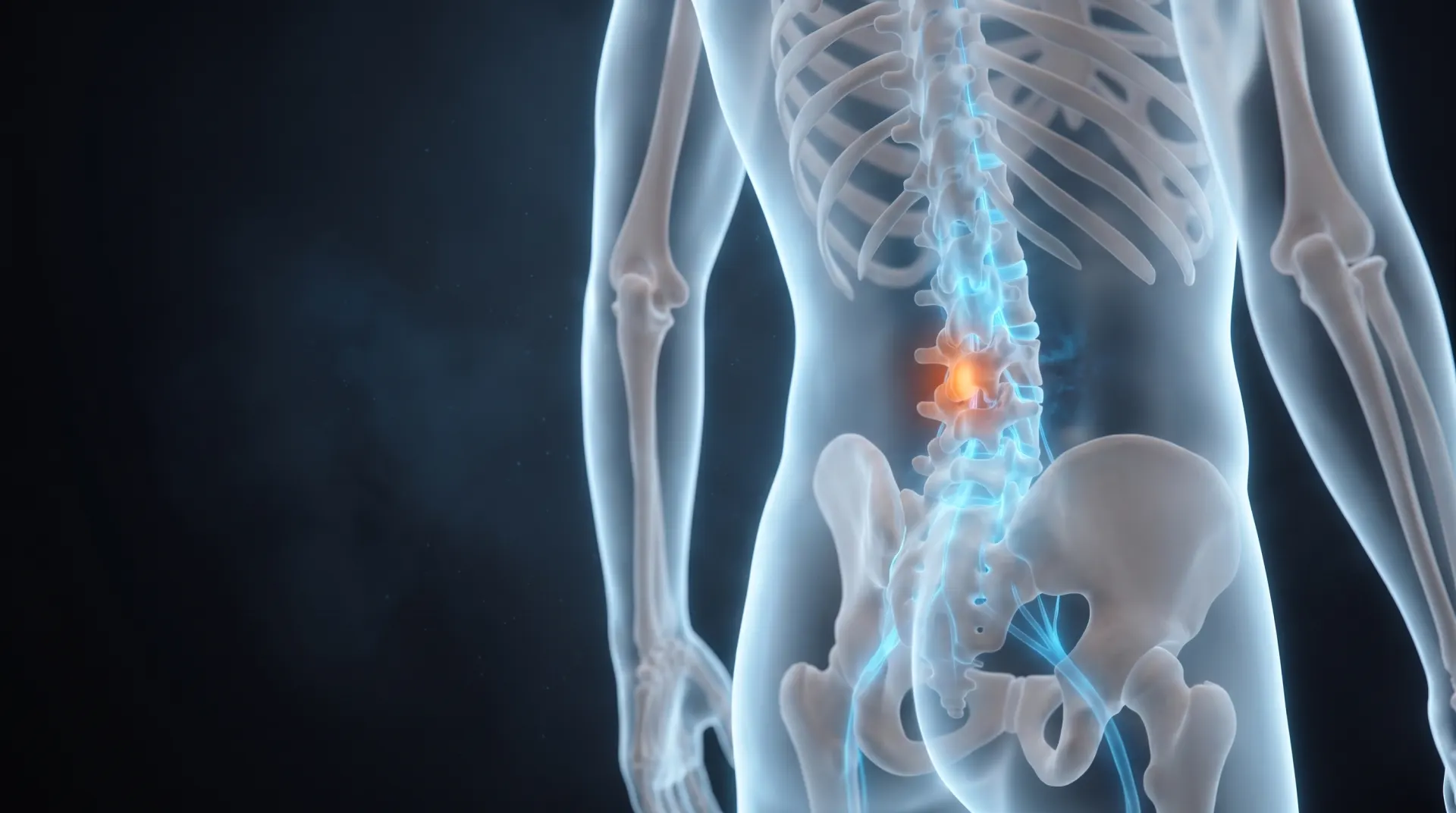
Back pain · Condition
Vertebral Fracture – Symptoms, Types and Best Treatment Options
A vertebral fracture occurs when one or more bones of the spine collapse or break, leading to pain, reduced mobility, and potential spinal deformity. While some fractures result from high-impact trauma, many vertebral fractures, especially in older adults, occur due to weakened bones. With timely diagnosis and appropriate vertebral fracture treatment, most patients can avoid long-term complications and restore function.
Overview
What Is a Vertebral Fracture?
A vertebral fracture refers to a break or collapse in the vertebral body, often affecting the thoracic or lumbar spine. These injuries are a common form of spinal fracture and may range from mild compression injuries to more severe instability.
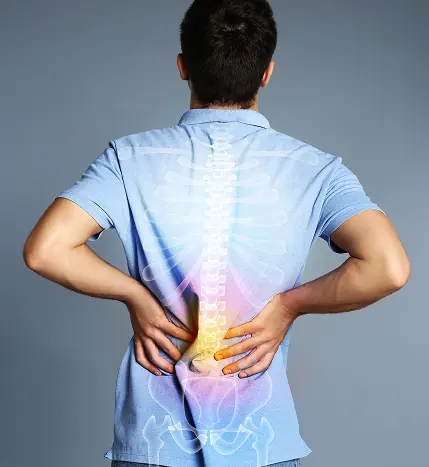
One of the most common types is a compression fracture spine, where the vertebra collapses under pressure, leading to height loss and localized pain. If left untreated, this can progress to spinal curvature and chronic pain.
Joint
Understanding Spinal Anatomy and Load Transmission
The vertebral column supports body weight and protects the spinal cord. Each vertebra is designed to absorb load and allow movement.
When bone strength is compromised or excessive force is applied, a vertebral fracture may occur. Repeated stress or underlying osteoporosis significantly increases the risk of compression fracture spine injuries.
Stages
Types of Vertebral Fracture
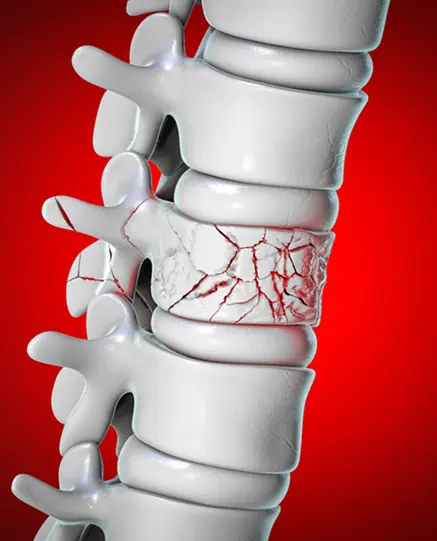
Compression Fractures
A compression fracture spine occurs when the vertebra collapses vertically, often due to osteoporosis or minor trauma.
Traumatic Spinal Fractures
High-energy injuries such as falls or accidents can cause unstable spinal fracture patterns requiring urgent evaluation.
Pathological Vertebral Fractures
These occur when weakened bone collapses due to conditions such as osteoporosis, infection, or tumors.
Identifying the fracture type is essential for selecting the correct vertebral fracture treatment.
Symptoms
Vertebral Fracture Symptoms

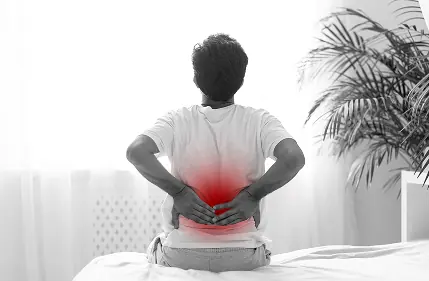
Common vertebral fracture symptoms include:
- Sudden onset of localized back pain
- Pain worsening with standing or walking
- Reduced spinal mobility
- Height loss or stooped posture
Symptoms That Need Medical Evaluation
-
- Severe or worsening pain
- Pain after a fall or minor injury
- Progressive spinal deformity
- Neurological symptoms such as numbness or weakness
Causes & Risk Factors
Vertebral Fracture Causes and Risk Factors
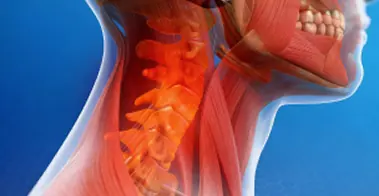
Common vertebral fracture causes include:
Bone weakening:
Pregnancy-related hormonal changes that loosen supporting ligaments and affect joint stability.
Traumatic injury:
Prior lower back or pelvic trauma that alters sacroiliac joint alignment or mechanics.

Steroid exposure:
Unequal leg length that creates uneven stress across the sacroiliac joint.

Age-related changes:
Progressive bone degeneration that reduces vertebral strength over time.
In many patients, vertebral fracture causes are multifactorial, combining bone weakness with mechanical stress.
Diagnosis
Diagnosis and Clinical Assessment
Evaluation of a suspected vertebral fracture includes:
- Detailed medical history and pain assessment
- Physical examination for tenderness and posture changes
- Imaging studies such as X-rays or MRI to confirm spinal fracture type
Accurate diagnosis guides safe and effective vertebral fracture treatment planning.
Treatments
Advanced Non-Surgical Options for Vertebral Fracture Treatment
Many vertebral fractures can be managed without open surgery. Advanced minimally invasive procedures are used when pain persists or structural stability is compromised.
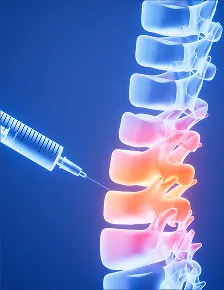
Vertebroplasty
Vertebroplasty involves injecting medical-grade bone cement into the fractured vertebra to stabilize it and reduce pain. This procedure is commonly used for painful compression fracture spine cases.
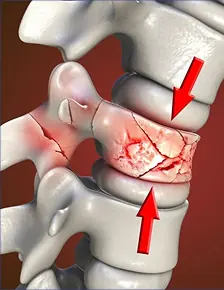
Kyphoplasty
Kyphoplasty is a minimally invasive procedure that restores vertebral height before cement stabilization. It helps correct spinal deformity and provides long-term pain relief in selected vertebral fracture cases.
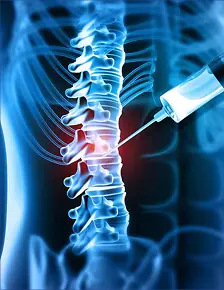
Epidural or Targeted Pain Injections
In patients with associated inflammation or nerve irritation, targeted injections may help reduce pain and support rehabilitation.
The Nivaan Way
At Nivaan, vertebral fracture treatment focuses on pain control, spinal stabilization, and early mobilization. Image-guided procedures are used to improve accuracy and patient safety.
Not sure which treatment fits your pain? A pain specialist can tell you after one assessment.
Recovery
Recovery Support: Rehabilitation and Bone Health Management
Comprehensive recovery goes beyond pain relief.

Physiotherapy:
Gradual strengthening and posture correction

Bone Health Optimization:
Osteoporosis assessment and prevention strategies

Lifestyle Guidance:
Fall prevention and activity modification
This integrated approach reduces recurrence and improves long-term outcomes after a vertebral fracture.
When to consult
When to Consult a Pain Specialist
You should seek specialist care if:
- Back pain starts suddenly after minor trauma
- Pain persists despite rest or medication
- There is noticeable spinal deformity
- Daily activities are significantly affected
Early intervention improves recovery and prevents complications.

Nivaan's Approach
Our Integrated Non-Surgical Care Pathway
- Comprehensive spine evaluation
- Precise diagnosis of vertebral fracture type
- Individualized non-surgical or minimally invasive treatment
- Ongoing rehabilitation and monitoring

FAQs
Frequently asked questions
Is a vertebral fracture the same as a spinal fracture?
A vertebral fracture is a common type of spinal fracture involving the vertebral body.
Can vertebral fractures heal without surgery?
Yes, many cases respond well to non-surgical or minimally invasive vertebral fracture treatment.
Are compression fractures serious?
A compression fracture spine can lead to chronic pain and deformity if untreated.
How long does recovery take?
Recovery varies but improves significantly with early diagnosis and care.
Does osteoporosis increase risk?
Yes, osteoporosis is one of the leading vertebral fracture causes.
Book an Appointment for Vertebral Fracture Care
Prompt and appropriate vertebral fracture treatment can relieve pain, restore mobility, and prevent long-term spinal deformity.
Specialists