Back pain · Condition
Herniated Disc: Types, Symptoms and Treatment (With & Without Radiculopathy)
A herniated disc is a common spinal condition that can cause persistent neck or back pain, stiffness, and difficulty with daily movements. Depending on severity and nerve involvement, symptoms may remain localized or radiate to the arms or legs. With timely diagnosis and structured non-surgical treatment, herniated disc pain can be controlled and long-term function can be preserved.
Overview
What Is a Herniated Disc?
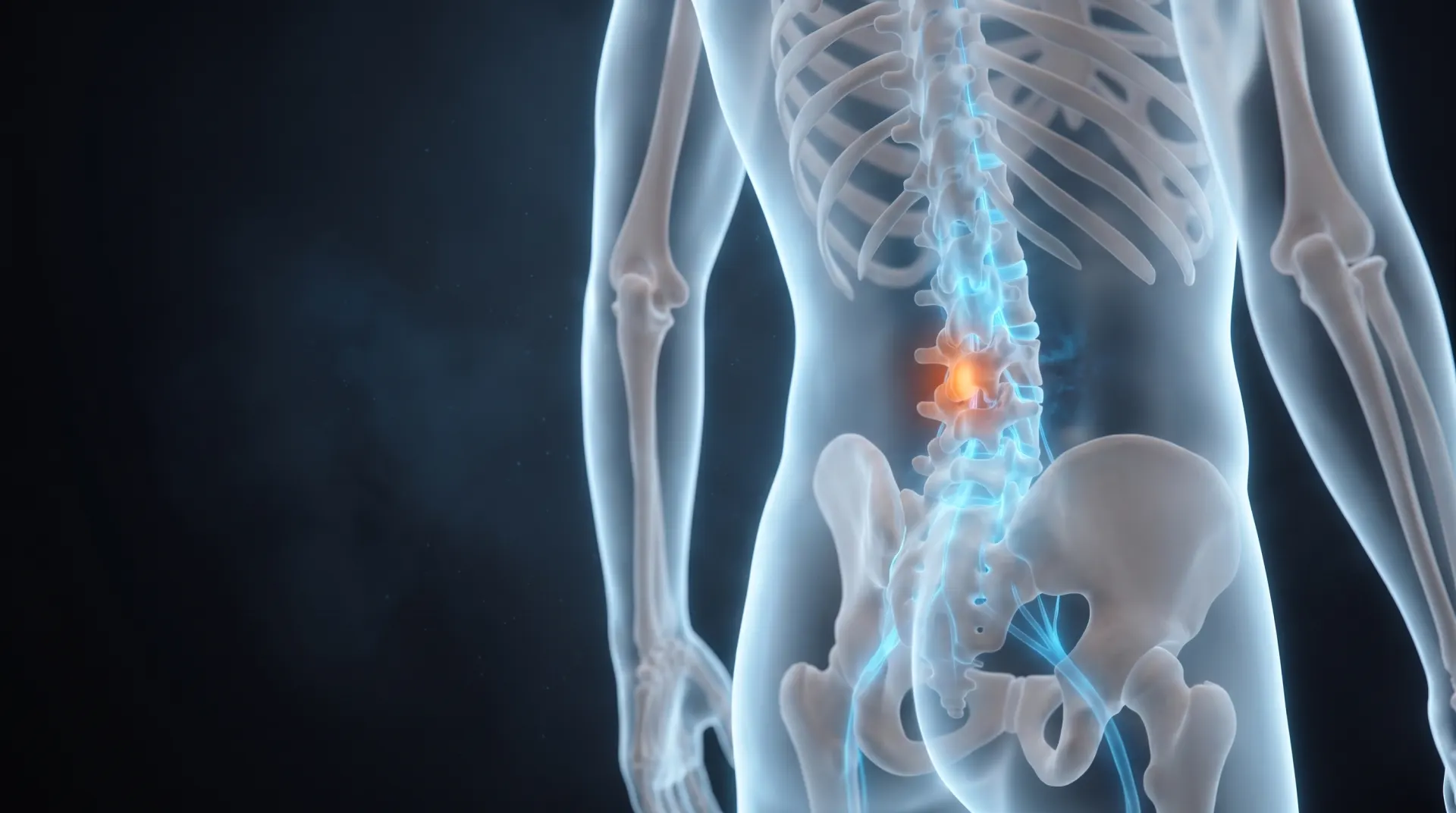
A herniated disc, also known clinically as a prolapsed intervertebral disc (PIVD), occurs when the soft inner portion of a spinal disc pushes through a weakened or torn outer layer.
This disc protrusion can irritate nearby structures or compress spinal nerves, leading to pain, stiffness, and neurological symptoms. Unlike temporary muscular back pain, a herniated disc involves structural disc damage and may require targeted medical management.
Depending on the extent of nerve involvement, a herniated disc may present with radiculopathy (radiating nerve pain) or without radiculopathy (localized spinal pain).

As the condition progresses, it can interfere with everyday activities such as:
- Difficulty bending, lifting, or turning
- Pain during sitting, standing, or walking
- Radiating pain into the arms or legs
- Reduced ability to work, exercise, or sleep comfortably
Without appropriate non-surgical care, symptoms may persist or worsen over time.
Joint
Understanding the Spine and Intervertebral Discs
The spine is made up of vertebrae separated by intervertebral discs that act as shock absorbers. Each disc consists of:
- A soft, gel-like center that absorbs load
- A tough outer ring that maintains spinal stability
When a disc herniates, normal spinal mechanics are disrupted. Pressure on surrounding nerves or tissues can lead to pain, inflammation, and restricted movement. The impact varies based on the spinal level involved, such as a lumbar herniated disc, cervical herniated disc, or thoracic herniated disc.
Stages
Stages of Herniated Disc
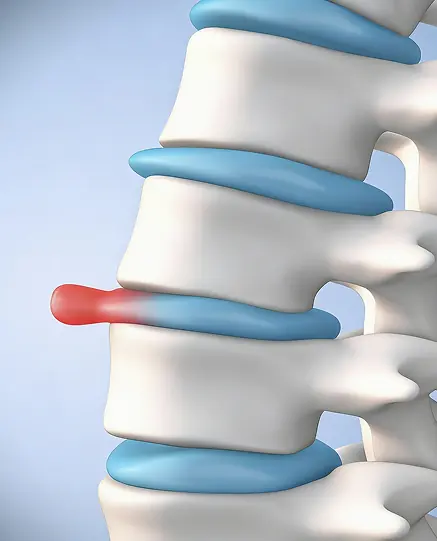
Disc Bulge or Early Herniation
Mild disc protrusion with intermittent pain and stiffness, often activity-related.
Disc Herniation With Symptoms
Persistent pain, reduced mobility, and possible nerve irritation or compression.
Recovery or Chronic Limitation
Symptoms may gradually improve with treatment or progress to long-term functional restriction if untreated.
Understanding these stages helps set realistic recovery expectations and guides appropriate herniated disc treatment planning.
Symptoms
Herniated Disc Symptoms

Common symptoms include:
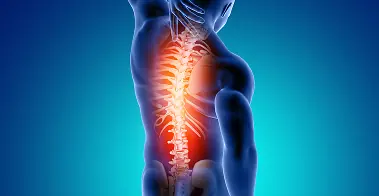
- Localized neck or back pain
- Stiffness and reduced spinal flexibility
- Pain aggravated by movement or posture changes
- Muscle tightness or spasms
Symptoms That Need Medical Evaluation
- Pain lasting several weeks
- Increasing pain or stiffness
- Weakness, numbness, or tingling
- Night pain or sleep disturbance
Causes and Risk Factors
Herniated Disc Causes and Risk Factors
Herniated disc causes are related to structural disc stress and degeneration. Contributing factors include:

Age-related tear:
Gradual loss of disc hydration and flexibility over time, reducing the spine’s ability to absorb shock.

Repetitive strain:
Ongoing physical stress from repeated movements or lifting heavy loads that places excess pressure on spinal discs.
Prior spinal injury:
Previous accidents or injuries that weaken disc structure and increase the risk of degeneration or herniation.

Prolonged sitting:
Extended sitting or improper posture that increases spinal load and accelerates disc stress and imbalance.
In some individuals, disc herniation develops without a clearly identifiable trigger.
Diagnosis
Diagnosis and Assessment
Diagnosis of a herniated disc involves:
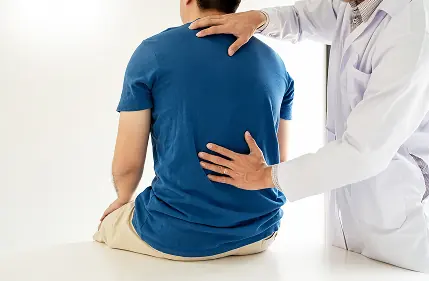
- Detailed clinical evaluation by an interventional pain specialist
- Assessment of movement patterns and neurological symptoms
- Review of occupational, lifestyle, and medical history
Imaging tests are recommended only when required to confirm disc herniation or rule out other spinal conditions.
Treatments
Advanced Non-Surgical Treatments for Herniated Disc
Most cases of herniated disc can be managed without surgery. Advanced non-surgical treatments are recommended when rest, medications, and physiotherapy alone do not provide adequate relief, especially in cases involving nerve irritation or persistent functional limitation.
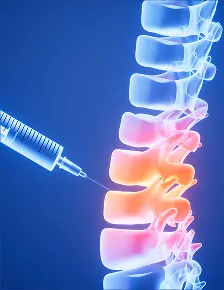
Epidural Steroid Injections
Epidural steroid injections are commonly used in lumbar herniated disc, cervical herniated disc, and thoracic herniated disc cases where disc inflammation irritates nearby nerves. Medication is delivered directly into the epidural space to reduce inflammation, relieve pain, and improve mobility. This often enables patients to participate more effectively in physiotherapy and recovery programs.
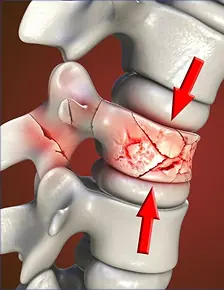
Nerve Blocks and Radiofrequency Ablation
Diagnostic nerve blocks help confirm whether pain is originating from disc-related nerve irritation. In selected chronic cases, radiofrequency ablation may be considered to interrupt pain signals from affected spinal nerves. This approach is particularly useful when herniated disc treatment focuses on long-standing pain without progressive neurological deficit.
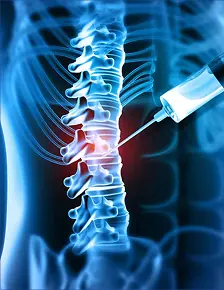
Regenerative Medicine (PRP-Based Therapies)
Regenerative treatments such as Platelet Rich Plasma (PRP) and other autologous biologics may be used in selected patients to support disc health and tissue healing. These therapies aim to reduce disc degeneration pain, improve spinal stability, and support long-term symptom control in carefully evaluated cases.
The Nivaan Way
At Nivaan, all interventional procedures for herniated discs are performed under image guidance where appropriate. This ensures precise targeting of the pain source, improved safety, and better clinical outcomes, whether the condition presents as disc herniation with radiculopathy or disc herniation without radiculopathy.
Not sure which treatment fits your pain? A pain specialist can tell you after one assessment.
Recovery
Recovery Support: Physiotherapy, Nutrition, and Pain Counselling
Recovery from a herniated disc improves when medical treatment is combined with rehabilitation support.
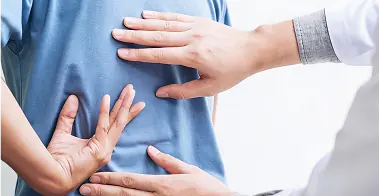
Physiotherapy:
Focuses on restoring spinal mobility, strengthening core muscles, and improving posture.

Nutrition:
Supports tissue healing and reduces inflammation, especially in patients with metabolic conditions.

Pain Counselling:
Helps address sleep disruption, anxiety, and long-term recovery engagement.
This integrated approach supports a safe return to daily activities with confidence.
When to consult
When to See an Interventional Pain Specialist
Consult a specialist if you experience:
- Pain persisting for several weeks
- Worsening stiffness or spinal pain
- Radiating arm or leg pain
- Symptoms affecting daily activities or sleep
Early specialist care improves outcomes and reduces the risk of chronic disability.
Nivaan's Approach
Our Integrated Non-Surgical Care Pathway
- Comprehensive specialist assessment
- Accurate diagnosis and staging
- Personalized non-surgical treatment planning
- Guided physiotherapy and recovery monitoring

FAQs
Frequently asked questions
Can a herniated disc be treated without surgery?
Yes, most patients improve with non-surgical, interventional pain management.
What is the difference between disc herniation with radiculopathy and without radiculopathy?
Radiculopathy involves radiating nerve pain, while without radiculopathy causes localized spinal pain.
How long does recovery take?
Recovery depends on disc severity and nerve involvement, but many patients improve within weeks to months.
Is physiotherapy safe for a herniated disc?
Yes, physiotherapy is guided and tailored to avoid worsening symptoms.
Is early treatment important?
Early treatment reduces nerve damage risk and improves long-term outcomes.
Book an Appointment for Herniated Disc Treatment
Early non-surgical treatment of a herniated disc can relieve pain, restore movement, and prevent long-term nerve damage.
Specialists