Back pain · Condition
Lumbar Canal Stenosis: Causes, Symptoms & Advanced Non-Surgical Relief
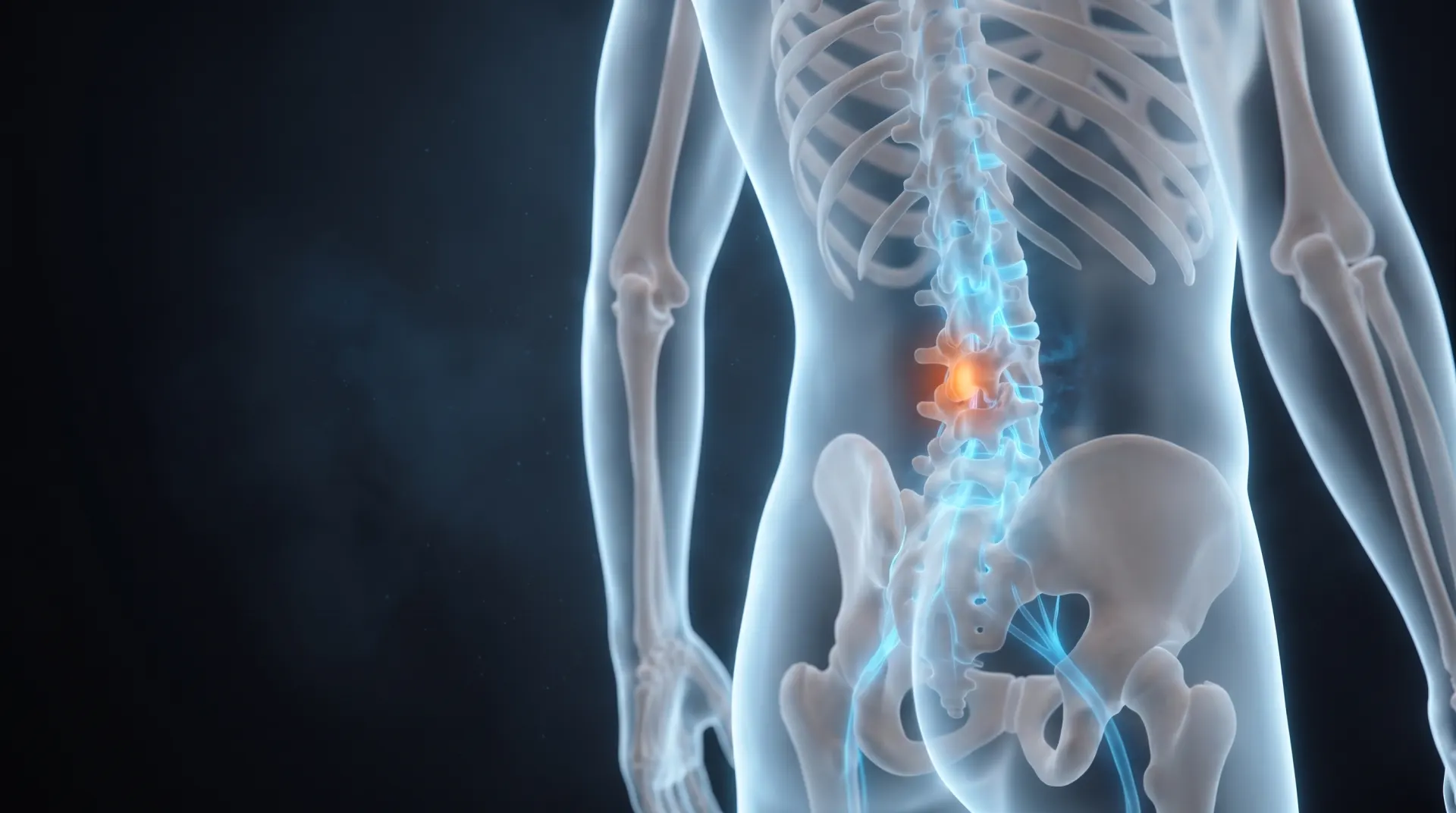
Lumbar canal stenosis is a degenerative spinal condition in which the spinal canal narrows, placing pressure on the spinal nerves. This narrowing can lead to chronic lower back pain, leg discomfort, and difficulty with walking or standing. With timely diagnosis and structured non surgical lumbar stenosis treatment, symptoms can be relieved and mobility can be improved.
Overview
What Is Lumbar Canal Stenosis?
Lumbar canal stenosis, also referred to as lumbar spinal stenosis, occurs when degenerative changes in the lower spine lead to lumbar canal narrowing. This reduces space for the spinal nerves and can impair normal nerve function.
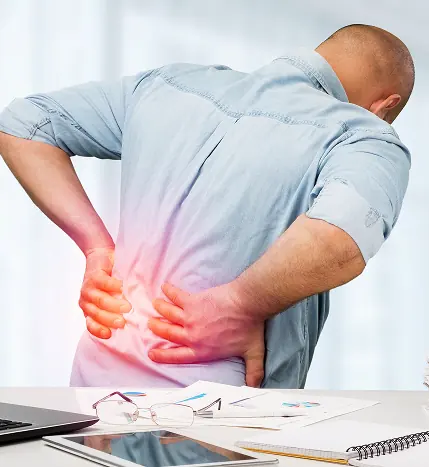
As the condition progresses, it can interfere with everyday activities such as:
- Pain or heaviness in the legs while walking
- Difficulty standing for prolonged periods
- Lower back stiffness and discomfort
- Reduced ability to perform work or daily tasks
Without appropriate non-surgical care, these limitations may worsen over time.
Joint
Understanding the Lumbar Spinal Canal and Nerve Compression
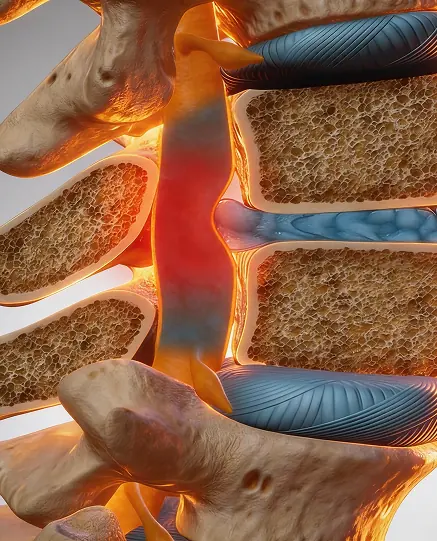
The lumbar spinal canal houses the spinal cord and nerve roots responsible for leg movement and sensation. Adequate canal space is essential for normal nerve function.
In lumbar canal stenosis, degenerative changes such as disc bulging, ligament thickening, or joint enlargement reduce canal space. This compression disrupts nerve signaling and leads to characteristic lumbar stenosis symptoms, particularly during standing or walking.
Stages
Stages of Lumbar Canal Stenosis
Mild Narrowing
Early lumbar canal narrowing with occasional back or leg discomfort during activity.
Moderate Stenosis
Persistent pain, stiffness, and leg symptoms that limit walking distance.
Advanced Stenosis
Significant nerve compression causing severe pain, weakness, or balance difficulty.
Understanding disease progression helps guide lumbar stenosis treatment decisions and set realistic recovery expectations.
Symptoms
Lumbar Stenosis Symptoms

Common lumbar stenosis symptoms include:
- Lower back pain or stiffness
- Leg pain, heaviness, or numbness
- Pain worsened by standing or walking
- Relief when sitting or bending forward
Symptoms That Need Medical Evaluation
- Pain lasting several weeks
- Increasing walking limitation
- Leg weakness or numbness
- Night pain or disturbed sleep
Causes & Risk Factors
Causes and Risk Factors
Lumbar canal stenosis develops due to structural changes in the spine. Contributing factors include:

Degenerative changes:
Age-related wear of spinal discs and joints that narrows the spinal canal.
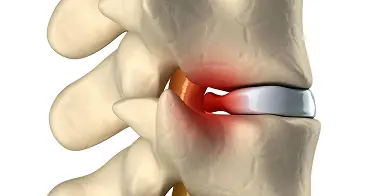
Disc bulge or collapse:
Disc degeneration or bulging that reduces space within the spinal canal.

Facet joint enlargement:
Arthritic thickening of facet joints that encroaches on the spinal canal.
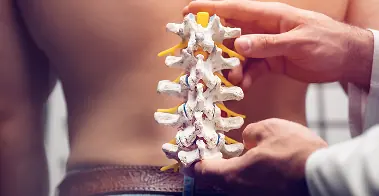
Ligament thickening:
Thickening of spinal ligaments that further contributes to canal narrowing.
In some patients, lumbar spinal stenosis may develop without a single identifiable cause.
Diagnosis
Diagnosis and Clinical Assessment
Diagnosis of lumbar canal stenosis involves:
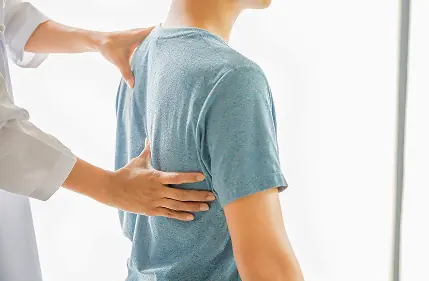
- Detailed clinical evaluation by a pain specialist
- Assessment of posture, gait, and symptom patterns
- Review of medical history and functional limitations
Imaging studies are used when required to confirm canal narrowing or rule out other spinal conditions.
Treatments
Advanced Non-Surgical Treatments for Lumbar Canal Stenosis
Most patients with lumbar canal stenosis can be managed without surgery. Advanced non-surgical treatments are considered when medications and physiotherapy alone do not provide adequate symptom control or functional improvement.

Epidural Steroid Injections
Epidural steroid injections help reduce inflammation around compressed nerves within the lumbar canal. This can relieve pain, improve walking tolerance, and support rehabilitation in patients with lumbar spinal stenosis.
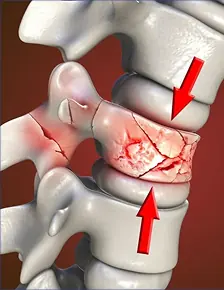
Nerve Blocks and Radiofrequency Ablation
Diagnostic nerve blocks help identify pain-generating nerve structures. In selected chronic cases, radiofrequency ablation may be used to reduce pain signals and improve function without surgery.
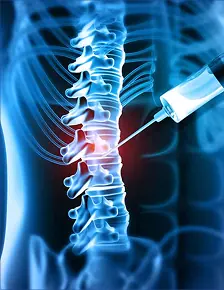
Regenerative Medicine (PRP-Based Therapies)
In carefully selected patients, regenerative treatments such as Platelet Rich Plasma (PRP) may be considered to support spinal tissue health and reduce inflammation contributing to lumbar canal narrowing.
The Nivaan Way
At Nivaan, interventional procedures for lumbar canal stenosis are performed under image guidance wherever appropriate. This ensures precise targeting of inflamed nerves and pain-generating structures, improving safety and outcomes in non surgical lumbar stenosis treatment.
Not sure which treatment fits your pain? A pain specialist can tell you after one assessment.
Recovery
Recovery Support: Physiotherapy, Nutrition, and Pain Counselling
Recovery outcomes improve when medical treatment is supported by comprehensive rehabilitation.
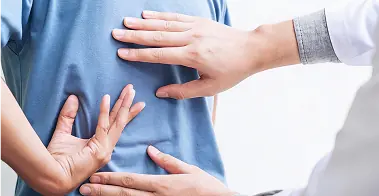
Physiotherapy:
Focuses on posture correction, flexibility, and strength training to reduce nerve compression.

Nutrition:
Supports musculoskeletal health and helps manage degenerative changes.
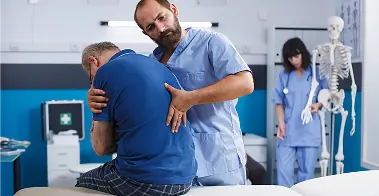
Pain Counselling:
Assists with chronic pain management, sleep quality, and long-term recovery adherence.
This integrated approach supports a confident return to daily activities.
When to consult
When to Consult a Pain Specialist
Consult a specialist if you experience:
- Pain persisting for several weeks
- Increasing walking difficulty
- Leg pain or numbness
- Symptoms affecting daily activities or sleep
Early intervention improves outcomes and reduces progression risk.
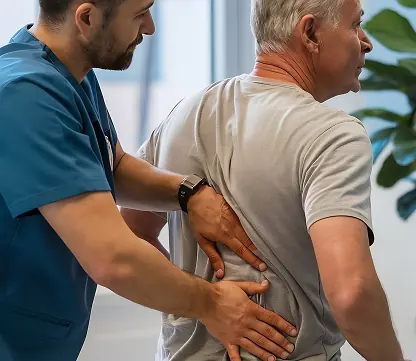
Nivaan's Approach
Our Integrated Non-Surgical Care Pathway
- Comprehensive specialist assessment
- Accurate diagnosis and severity assessment
- Personalized non-surgical treatment planning
- Guided physiotherapy and recovery monitoring
FAQs
Frequently asked questions
Can lumbar canal stenosis be treated without surgery?
Yes, most cases respond well to non surgical lumbar stenosis treatment.
How long does symptom relief last after treatment?
Relief varies, but many patients experience sustained improvement with interventional care.
Is walking safe with lumbar spinal stenosis?
Yes, with guidance and symptom-based pacing.
Does lumbar canal stenosis worsen over time?
It may progress without treatment, making early care important.
Is early treatment important?
Early intervention improves long-term function and quality of life.
Book an Appointment for Lumbar Canal Stenosis Treatment
Early non-surgical management of lumbar canal stenosis can reduce pain, improve mobility, and help avoid surgical intervention.
Specialists