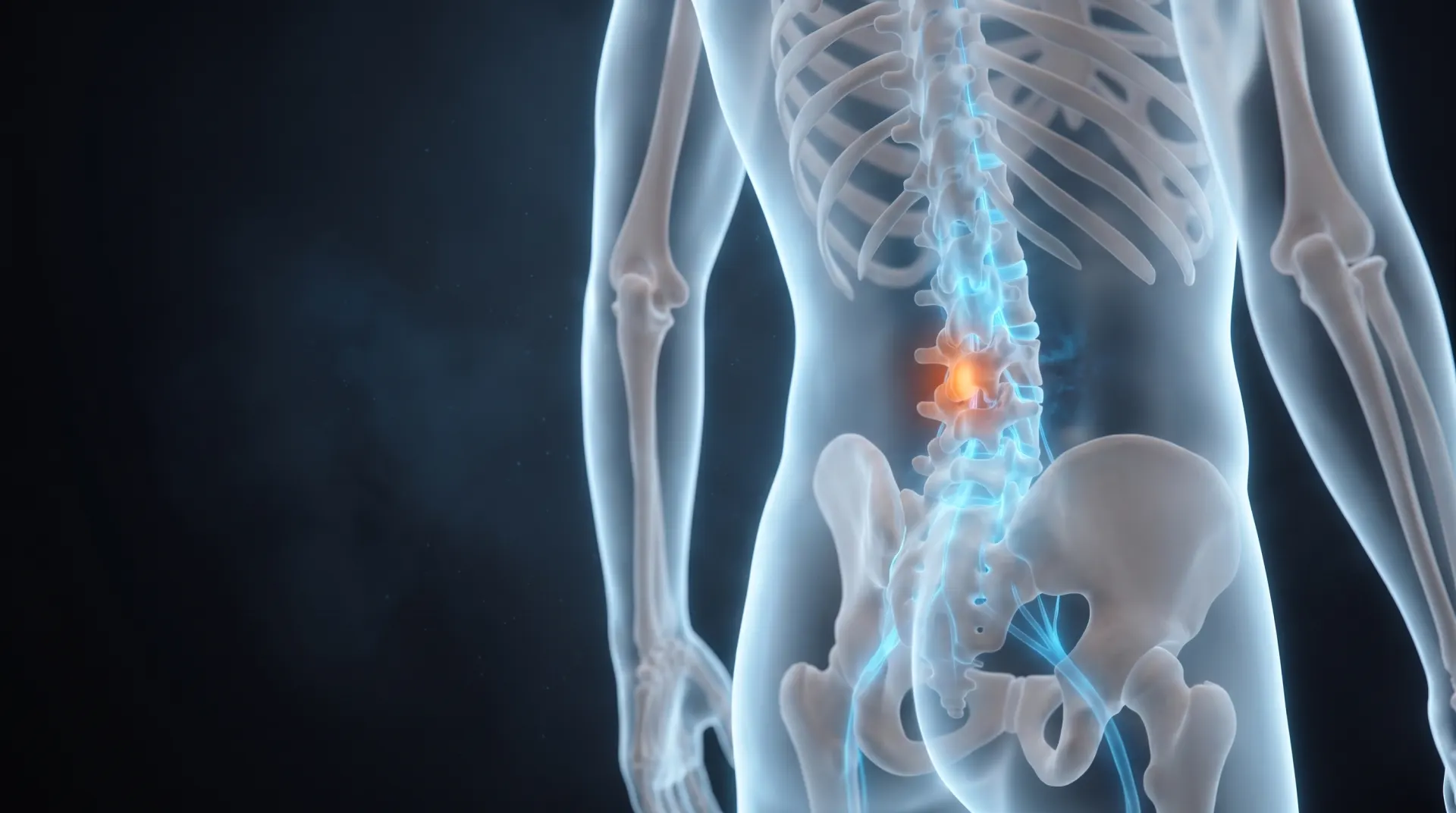
Back pain · Condition
Back Musculoskeletal Injury – Causes, Symptoms and Treatment
A back musculoskeletal injury involves damage to the muscles, ligaments, tendons, or soft tissues supporting the spine. These injuries can occur suddenly due to strain or trauma, or gradually from overuse and poor posture. With timely diagnosis and structured musculoskeletal injury treatment, pain can be reduced and normal movement restored without surgery.
Overview
What Is a Back Musculoskeletal Injury?
A back musculoskeletal injury refers to injury or dysfunction of the muscles and connective tissues that support spinal movement and stability. This commonly presents as musculoskeletal back pain, stiffness, or restricted mobility.
Unlike disc or nerve-related conditions, back musculoskeletal injury primarily affects soft tissues. However, if untreated, ongoing muscle damage and altered movement patterns can lead to chronic pain.

As the condition progresses, it can interfere with everyday activities such as:
- Pain during bending, lifting, or twisting
- Difficulty sitting or standing for long periods
- Discomfort caused by a back muscle injury
- Reduced work capacity or physical activity
Without appropriate non-surgical care, musculoskeletal back pain may persist or worsen over time.
Joint
Understanding the Muscles and Supporting Structures of the Back
The back is supported by layers of muscles, ligaments, and fascia that allow controlled movement and protect the spine.
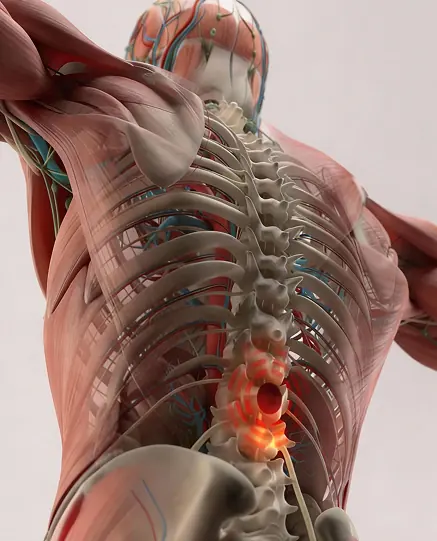
In a back musculoskeletal injury, excessive load or repetitive stress can cause muscle damage back, leading to inflammation, spasm, and weakness. This disrupts normal movement mechanics and increases strain on surrounding tissues.
Stages
Stages of Back Musculoskeletal Injury
Acute Muscle Strain
Sudden pain after activity or lifting Localized tenderness and stiffness Mild functional limitation
Subacute Injury and Compensation
Persistent back injury symptoms Muscle tightness and guarding Reduced flexibility and endurance
Chronic Musculoskeletal Pain
Ongoing musculoskeletal back pain Recurrent flare-ups Functional restriction affecting daily activities
Understanding these stages helps set realistic expectations for recovery and musculoskeletal injury treatment.
Symptoms
Back Injury Symptoms
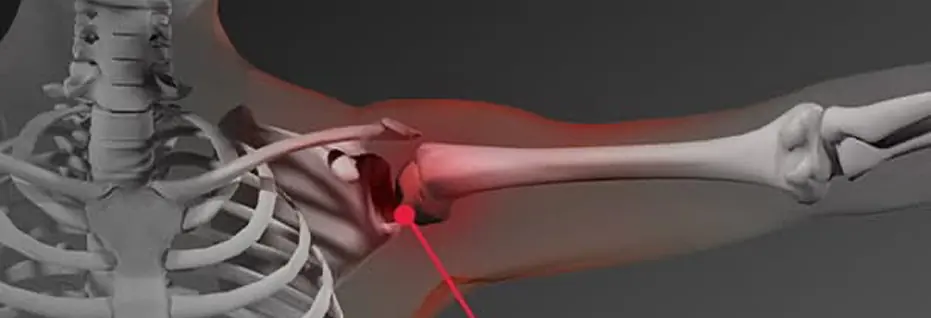
Common symptoms include:
- Localized or diffuse muscle pain
- Stiffness and reduced range of motion
- Pain aggravated by movement or posture
- Muscle weakness or fatigue
Symptoms That Need Medical Evaluation
- Pain lasting several weeks
- Increasing stiffness or muscle spasm
- Difficulty performing routine activities
- Pain affecting sleep or work performance
Causes and Risk Factors
Causes and Risk Factors
A back musculoskeletal injury develops due to underlying soft tissue stress or damage. Common contributing factors include:

Sudden strain:
Abrupt lifting or twisting movements that overload muscles and soft tissues.

Repetitive stress:
Ongoing overuse that leads to muscle fatigue and micro-injury.

Postural overload:
Poor posture or improper ergonomics that place excess stress on the back.

Muscle weakness:
Inadequate conditioning that reduces spinal support and injury resistance.
In some cases, muscle damage back can occur without a clear triggering event.
Diagnosis
Diagnosis and Assessment

Diagnosis of back musculoskeletal injury includes:
- Clinical examination of muscle tenderness and strength
- Assessment of posture and movement patterns
- Review of activity history and injury mechanism
Imaging is used selectively to rule out disc, fracture, or nerve-related conditions.
Treatments
Advanced Non-Surgical Options for Musculoskeletal Injury Treatment
Most cases of back musculoskeletal injury can be managed without surgery. Advanced non-surgical care is recommended when pain persists despite basic treatment.

Trigger Point Injections
Trigger point injections help relax tight muscle bands and relieve pain caused by a back muscle injury. These injections reduce muscle spasm and improve movement in patients with persistent musculoskeletal back pain.

Nerve Blocks
When muscle pain is associated with nerve sensitization, targeted nerve blocks may be used to interrupt pain signals and support rehabilitation.
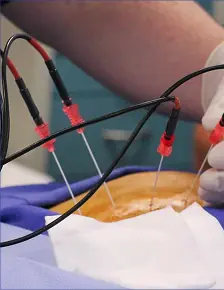
Radiofrequency Ablation (Selected Chronic Cases)
In patients with long-standing pain and recurrent muscle dysfunction, radiofrequency ablation may be considered to reduce chronic pain transmission and support long-term recovery.
The Nivaan Way
At Nivaan, musculoskeletal injury treatment is personalized based on pain severity, functional limitation, and recovery goals. Image-guided interventions are used when required to ensure precision and safety.
Not sure which treatment fits your pain? A pain specialist can tell you after one assessment.
Recovery
Recovery Support: Physiotherapy, Nutrition, and Pain Counselling
Recovery from a back musculoskeletal injury improves when medical treatment is combined with supportive care:

Physiotherapy:
Strengthening, flexibility, and movement retraining

Nutrition:
Supporting muscle repair and tissue health

Pain Counselling:
Managing stress, sleep, and pain coping strategies
This integrated approach helps patients return to daily activities with confidence.
When to Consult
When to See an Interventional Pain Specialist
You should consult a specialist if:
- Back injury symptoms persist beyond several weeks
- Pain worsens despite rest or medication
- Movement becomes increasingly restricted
- Pain interferes with sleep or daily functioning
Early care improves outcomes and prevents chronic musculoskeletal back pain.

Nivaan's Approach
Our Integrated Non-Surgical Care Pathway
- Comprehensive musculoskeletal assessment
- Accurate diagnosis of back musculoskeletal injury
- Personalized musculoskeletal injury treatment plan
- Guided rehabilitation and recovery monitoring

FAQs
Frequently asked questions
Can a back musculoskeletal injury heal without surgery?
Yes, most cases respond well to non-surgical musculoskeletal injury treatment
How long does recovery take?
Recovery depends on injury severity and adherence to physiotherapy.
Is physiotherapy painful?
Mild discomfort may occur initially but improves as healing progresses.
Can symptoms return?
Recurrence is possible without proper rehabilitation and posture correction.
Is early treatment important?
Early care prevents chronic musculoskeletal back pain.
Book an Appointment for Back Musculoskeletal Injury Treatment
Early intervention for a back musculoskeletal injury can relieve pain, restore strength, and prevent long-term disability.
Specialists