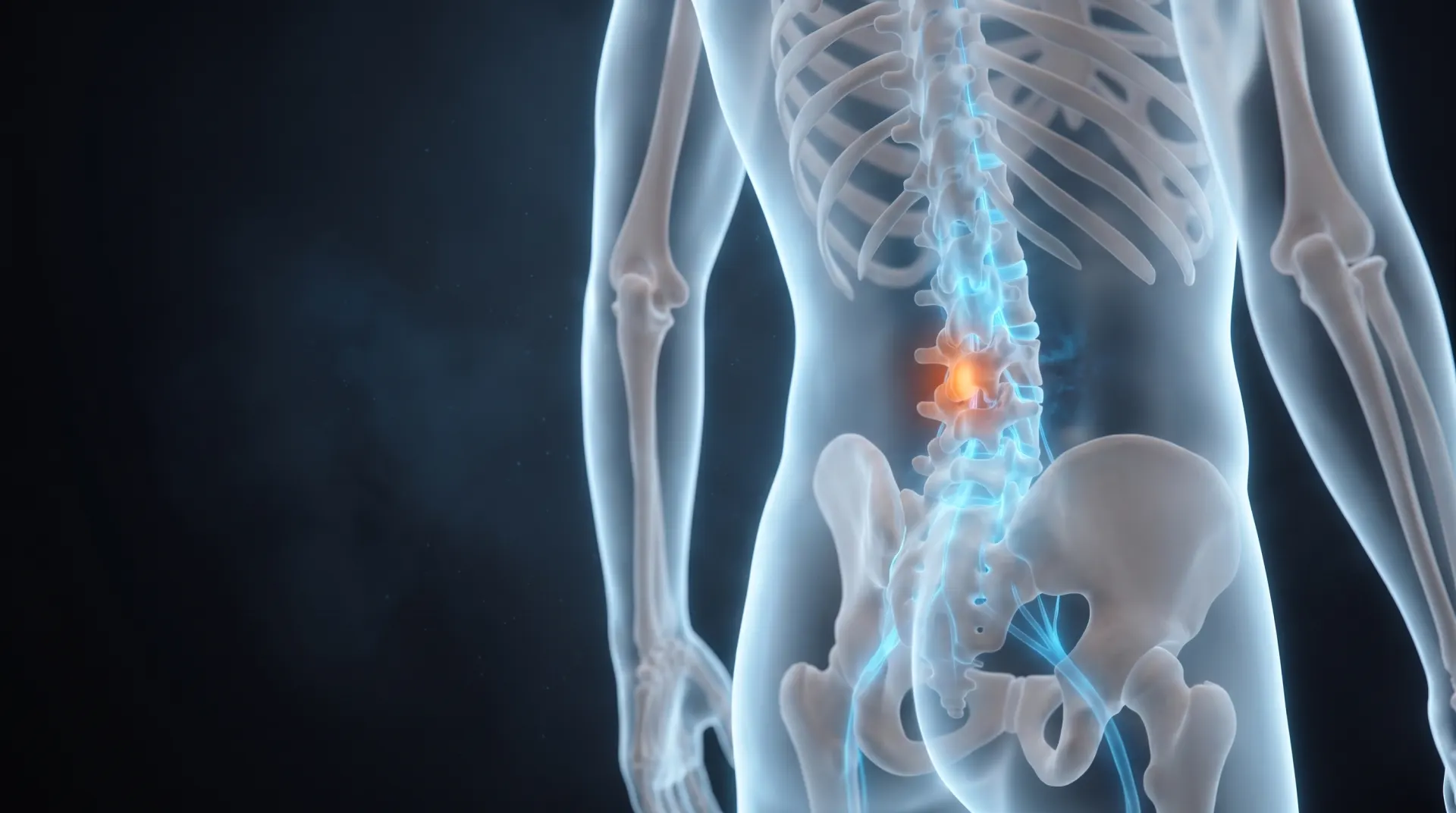
Back pain · Condition
Coccydynia – Tailbone Pain Symptoms, Causes and Treatment
Coccydynia is a condition characterized by persistent pain at the tailbone (coccyx), often aggravated by sitting or transitioning from sitting to standing. While it may begin after a minor injury or prolonged pressure, untreated coccydynia can significantly affect daily activities and quality of life. With timely diagnosis and structured coccydynia treatment, most patients achieve effective tailbone pain relief without surgery.
Overview
What Is Coccydynia?
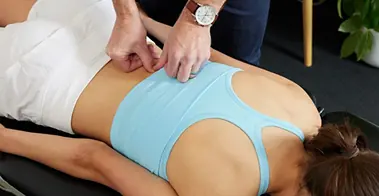
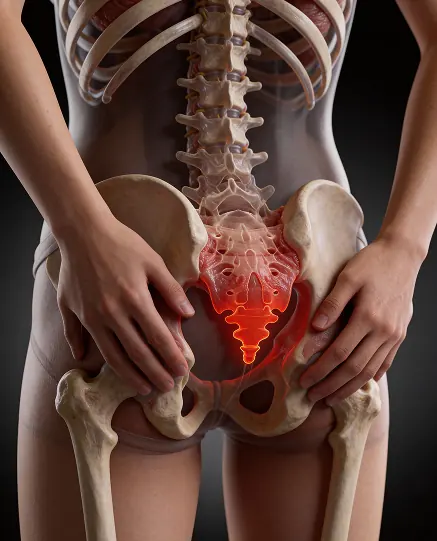
Coccydynia refers to pain arising from the coccyx, the small triangular bone at the base of the spine. This pain may result from inflammation, abnormal coccyx movement, or injury to surrounding ligaments and muscles.
Unlike generalized lower back pain, tailbone pain is typically localized and worsens during sitting, especially on hard surfaces. Over time, ongoing irritation can lead to persistent discomfort and postural adaptations that worsen symptoms.
Joint
Understanding Tailbone Anatomy and Load Bearing
The coccyx plays an important role in weight distribution when sitting. It also serves as an attachment point for pelvic floor muscles and ligaments.
When this structure becomes irritated or unstable, even routine activities such as sitting, driving, or leaning back can provoke tailbone pain. In coccydynia, repetitive stress or trauma disrupts normal biomechanics, leading to chronic inflammation and pain.
Stages
Stages of Coccydynia
Acute Tailbone Pain
Pain occurs mainly after prolonged sitting or minor trauma and may improve with rest.
Subacute Coccydynia
Pain becomes more frequent, with increasing discomfort during posture changes.
Chronic Coccydynia
Persistent pain affects daily function, sleep, and work productivity, often requiring targeted coccydynia treatment.
Early-stage care significantly improves long-term outcomes.
Symptoms
Coccyx Pain Symptoms

Common coccyx pain symptoms include:
- Localized pain at the base of the spine
- Pain while sitting or rising from a seated position
- Discomfort during prolonged driving
- Tenderness over the tailbone area
Symptoms That Need Medical Evaluation
- Pain lasting more than a few weeks
- Worsening tailbone pain despite rest
- Pain interfering with work or daily activities
- Sleep disturbance due to discomfort
Causes & Risk Factors
Coccydynia Causes and Risk Factors
Several factors can contribute to coccydynia causes, including:

Direct trauma:
Falls or impacts that cause bruising, fracture, or displacement of the tailbone.
Prolonged sitting:
Extended sitting on hard surfaces that places repeated pressure on the coccyx.
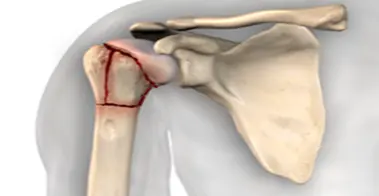
Childbirth strain:
Excess stress on the coccyx during vaginal delivery leading to joint or ligament injury.
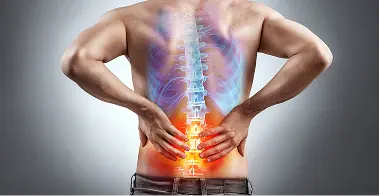
Abnormal mobility:
Degenerative changes or excessive movement of the coccyx that trigger persistent pain.
In some cases, coccydynia causes remain idiopathic, with no clear triggering event.
Diagnosis
Diagnosis and Clinical Assessment
Diagnosis of coccydynia involves:

- Detailed pain history and physical examination
- Assessment of sitting posture and movement patterns
- Palpation of the coccyx to identify tenderness
Treatments
Advanced Non-Surgical Options for Coccydynia Treatment
Most patients achieve significant improvement with non-surgical approaches. Advanced interventions are considered when pain persists despite conservative care.
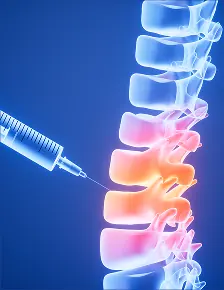
Image-Guided Coccygeal Injections
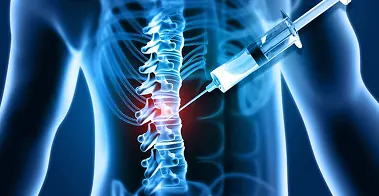
Targeted injections deliver anti-inflammatory medication around the coccyx to reduce local inflammation and relieve tailbone pain. These injections can also help confirm the pain source.

Ganglion Impar Block
In chronic coccydynia, a ganglion impar block may be used to interrupt pain signals from the coccyx region, providing sustained tailbone pain relief in selected patients.
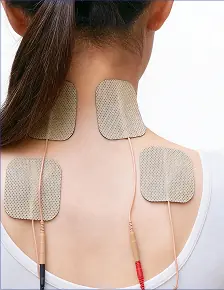
Regenerative Therapies
In specific cases, regenerative treatments such as PRP may support ligament healing and stability around the coccyx, complementing overall coccydynia treatment.
The Nivaan Way
At Nivaan, coccydynia treatment focuses on precise diagnosis and targeted pain relief using image-guided techniques when required. This approach maximizes safety and improves long-term tailbone pain relief.
Not sure which treatment fits your pain? A pain specialist can tell you after one assessment.
Recovery
Recovery Support: Physiotherapy, Ergonomics, and Pain Counselling
Long-term recovery improves when interventional care is combined with rehabilitation strategies.
Physiotherapy:
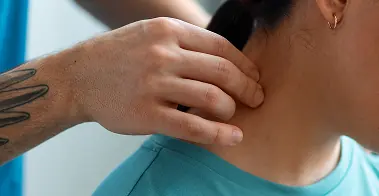
Focuses on pelvic floor balance, posture correction, and movement retraining

Ergonomic Guidance:
Use of cushions and sitting modifications to reduce coccygeal load

Pain Counselling:
Helps manage chronic pain-related stress and improve coping strategies
When to consult
When to Consult a Pain Specialist
Seek specialist care if:
- Tailbone pain persists beyond a few weeks
- Symptoms worsen with sitting or posture changes
- Daily activities or work performance are affected
- Conservative measures fail to provide relief
Early intervention prevents chronicity and functional decline.
Nivaan's Approach
Our Integrated Non-Surgical Care Pathway
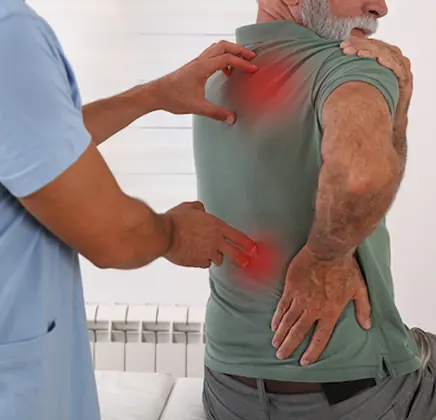
- Comprehensive pain evaluation
- Accurate diagnosis of coccydynia
- Personalized non-surgical treatment planning
- Ongoing recovery monitoring and rehabilitation support
FAQs
Frequently asked questions
Is coccydynia the same as tailbone pain?
Yes, coccydynia is the medical term used to describe persistent tailbone pain.
Can coccydynia be treated without surgery?
Most cases respond well to non-surgical coccydynia treatment.
How long does pain relief last after injections?
Relief duration varies, but many patients experience long-lasting tailbone pain relief.
Is sitting posture important in recovery?
Yes, posture and ergonomic correction are essential components of treatment.
Does early treatment improve outcomes?
Early care reduces the risk of chronic pain and prolonged disability.
Book an Appointment for Coccydynia Care
Timely, non-surgical management of coccydynia can significantly reduce pain, improve sitting tolerance, and restore daily comfort.
Specialists